
Categories List
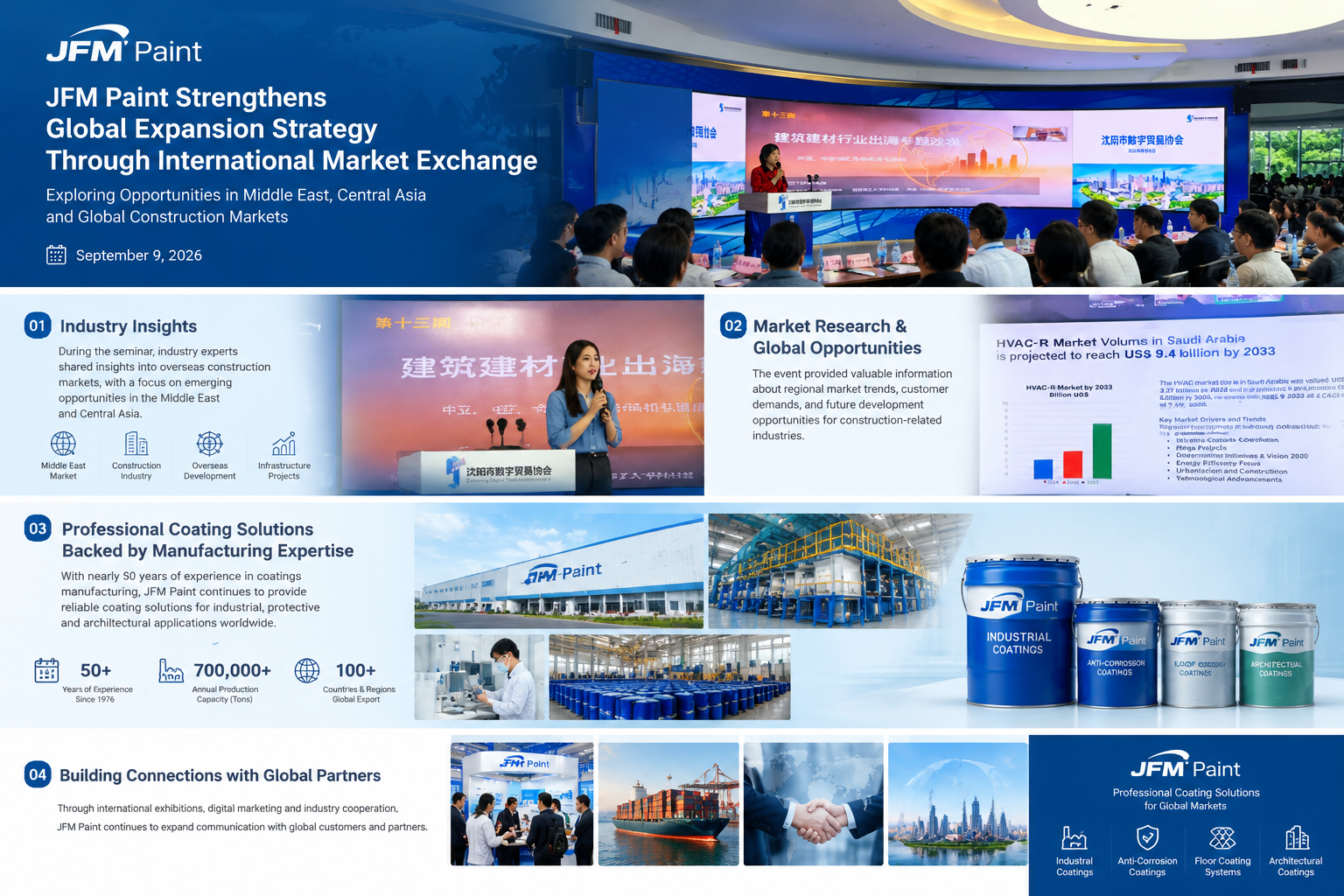
 JFM Paint Strengthens Global Expansion Strategy Through International Market ExchangeSep 10, 2026
 JFM Paint Strengthens Global Presence Through Successful Participation in KOREA BUILD WEEK 2026Aug 27, 2026
 EU REACH Adds 12 New SVHCs, Forcing Industrial Coating Export Declarations UpdateAug 16, 2026
- Vietnam Rule: Industrial Coating Imports Need SVHC Declaration from China Starting Oct. 1Aug 15, 2026
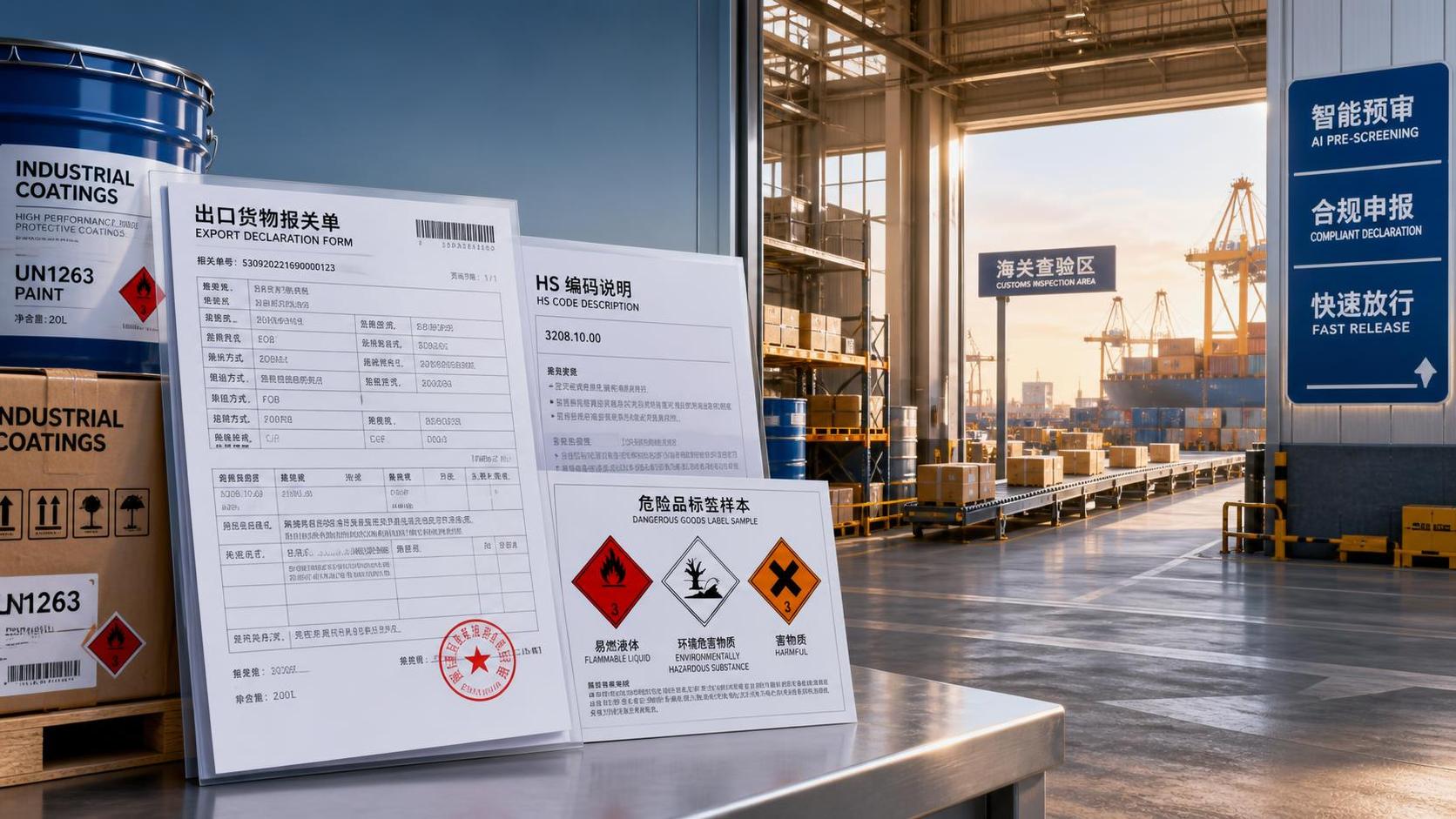
- China Customs Launches Paint Export PrecheckAug 14, 2026
- Nippon Paint Reacquires European Auto Coatings UnitAug 12, 2026




Leave A Reply

As of June 1, 2026, Saudi Arabia has moved from policy signaling to mandatory enforcement in the coatings trade: imported colored paints and varnishes entering customs clearance must now carry an environmental performance efficiency label and pass testing through a SASO-recognized laboratory. For exporters, importers, compliance teams, and supply chain partners handling coatings shipments into the Middle East market, this is worth close attention because the rule now ties market entry directly to labeling, testing, and document readiness rather than product shipment alone.
What the new entry requirement now includes
The confirmed change is that, starting on June 1, 2026, the Saudi Standards, Metrology and Quality Organization (SASO) formally requires imported colored paints and varnishes to comply with a mandatory environmental performance efficiency labeling system.
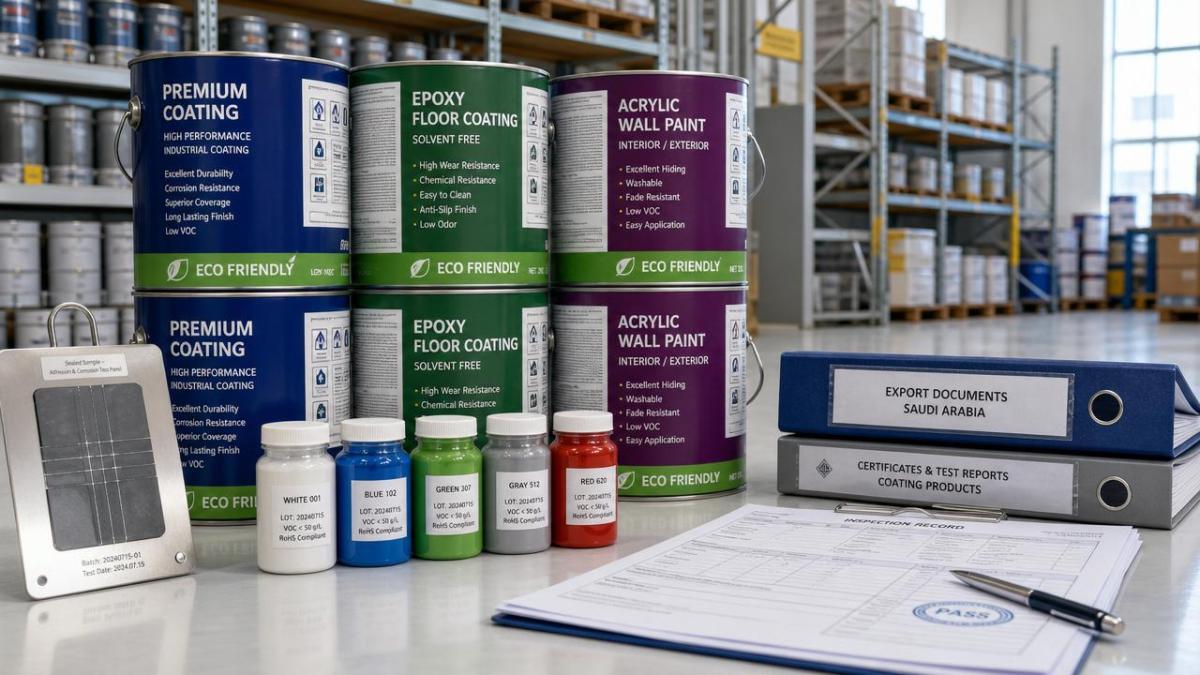
According to the provided event summary, coatings products presented for customs declaration and clearance must display six core environmental indicators, including VOC content, carbon footprint, and weather resistance. The products must also complete testing and certification through laboratories recognized by SASO.
The stated enforcement consequence is also clear: products without labels, or with labels that do not comply with the requirement, may be refused warehouse entry or returned. The information provided further states that this directly affects the market access process and compliance costs of Chinese coatings exporters serving the Middle East market.
Where the pressure is likely to appear first in the trade chain
Export shipments now depend more heavily on pre-shipment compliance preparation
From an industry perspective, exporters of paints and varnishes are among the first parties affected because the rule is linked to customs clearance and warehouse entry. That means the impact is not limited to product presentation; it reaches labeling preparation, test coordination, certification readiness, and shipment documentation before goods move.
What deserves closer attention is whether export teams have aligned product labels, technical files, and test arrangements with the new Saudi entry requirement. If those elements are incomplete, the trade risk may shift from ordinary commercial delay to border-level non-compliance.
Importers and distributors face tighter document and receiving checks
Companies responsible for import handling, warehousing, or downstream distribution may also feel the effect because non-compliant labels can lead to refusal of warehouse entry or return of goods. In practical terms, this raises the importance of checking whether incoming products already meet the labeling and certification conditions required for clearance.
For these market participants, the main change is likely to appear in receiving review, document matching, and supplier coordination. Label content, test status, and certification evidence may become more important checkpoints before accepting goods into inventory or onward distribution.
Testing and certification coordination becomes part of delivery timing
The rule explicitly requires testing and certification through SASO-recognized laboratories, so compliance is no longer only a packaging or label-printing matter. Analysis shows that any company involved in export planning, order scheduling, or delivery coordination should pay closer attention to how testing and certification steps fit into shipment timing.
This does not by itself confirm a uniform execution outcome across all transactions, but it does indicate that laboratory recognition and certification sequencing are now part of the commercial path to delivery.
What companies should review now
Check whether labels and technical documents can support clearance
Companies shipping colored paints or varnishes into Saudi Arabia should review whether product labels, technical descriptions, and supporting files can consistently reflect the required environmental indicators referenced in the provided information. The immediate practical issue is not only whether a label exists, but whether it is compliant for customs-facing use.
Reassess certification readiness before shipment release
Observably, the requirement for SASO-recognized laboratory testing means compliance review may need to move earlier in the shipment cycle. Businesses may need to pay closer attention to whether internal approval, third-party testing, and certification evidence are ready before cargo release, rather than treating them as follow-up matters.
Watch for changes in order documents and buyer-side specifications
Because the rule affects access conditions, companies should also monitor whether customer purchase documents, technical specifications, tender materials, or delivery requirements begin to reflect the new labeling and certification expectation more explicitly. The input does not provide detailed implementation language for those documents, so this remains an area to watch rather than a confirmed outcome.
Prepare for possible effects on lead time and trade risk allocation
Analysis shows that when a rule can trigger refusal of warehouse entry or return of goods, the allocation of responsibility between exporter, importer, and service providers may receive closer scrutiny. Businesses should pay attention to how compliance evidence, shipment timing, and product traceability are handled in trade execution, especially where delivery commitments are tight.
Why this looks more like enforcement than a preliminary signal
From an industry perspective, this development is more appropriate to understand as a rule already entering execution rather than a distant policy direction. The date is defined, the scope covers imported colored paints and varnishes, the required label content is specified at a high level, and the consequence for non-compliance is tied directly to warehousing or return.
At the same time, it is also reasonable to treat this as a rule change that still requires continued observation in practice. The input confirms the existence of the requirement, but it does not provide fuller detail on implementation wording, documentary interpretation, or how market participants will experience the process case by case. That is why ongoing attention to official clarification and market feedback remains important.
How this update is best understood for now
In practical terms, the Saudi label requirement changes the compliance threshold for imported paints and varnishes from a general market-access issue into a more operational checkpoint tied to customs, testing, and product documentation. For companies serving this route, the more neutral reading is not that trade will stop, but that market entry now depends more directly on whether compliance work is completed before goods reach the border.
Current industry attention is therefore better focused on execution readiness: label completeness, certification sequencing, supporting documents, and the way buyers and logistics partners respond to the new requirement. That makes this update most appropriately understood as a live compliance change with immediate operational relevance, while some detailed enforcement practices still warrant observation.
Basis of this article and what still needs verification
This article is generated based on the user-provided news title, event date, and event summary. It does not rely on any additional policy number, market data, company case, or source link not included in the input.
For this type of event, relevant source categories typically include official notices, regulator releases, customs or trade authority information, industry association updates, standard-setting documents, and reporting by authoritative media. However, no specific official source link was provided in the input, so the underlying official publication path still needs ongoing verification.
What should continue to be monitored includes any further policy detail, certification interpretation, execution wording in trade or tender documents, market feedback from affected businesses, and how companies implement the requirement in actual shipment and clearance processes.