
Categories List
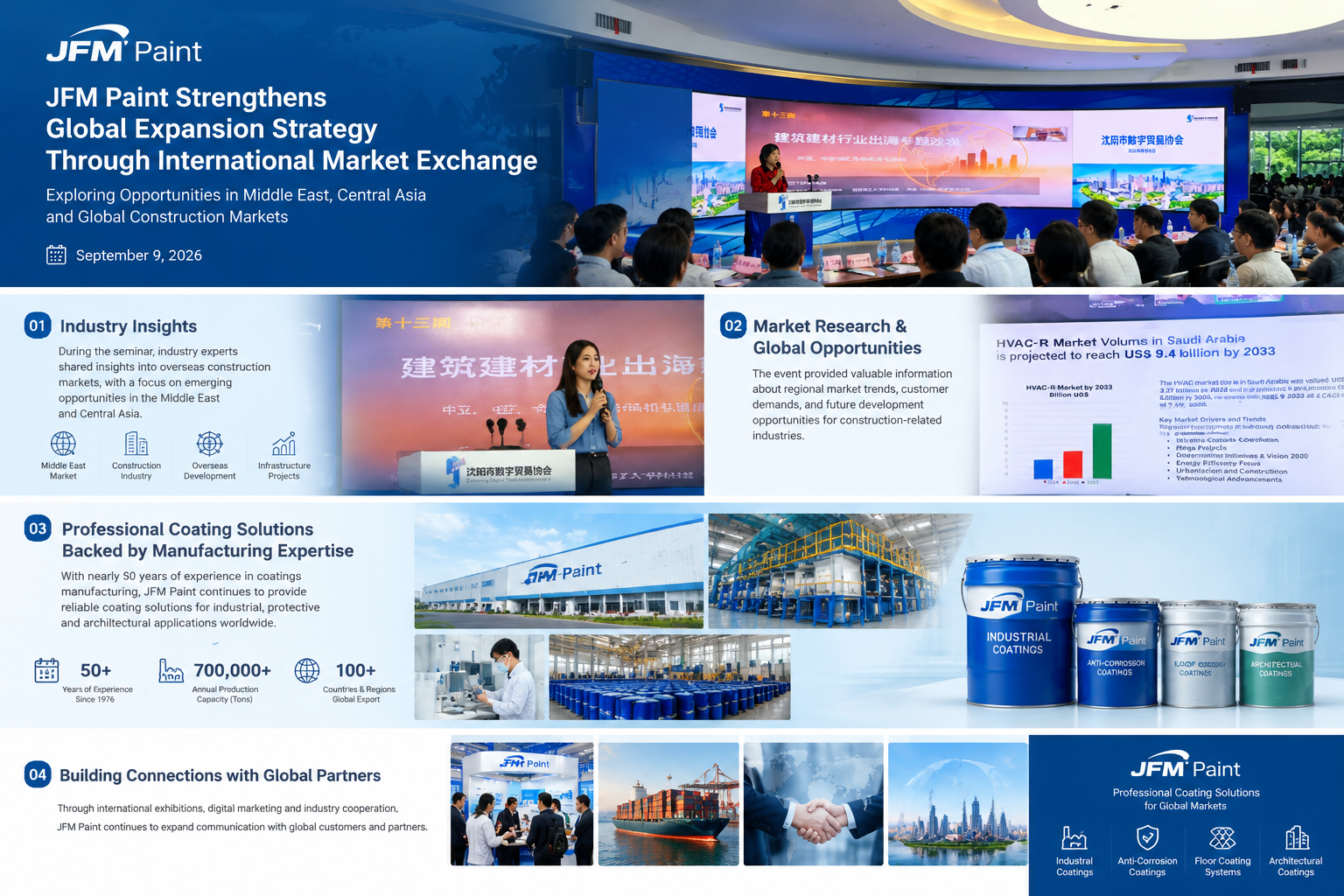
 JFM Paint Strengthens Global Expansion Strategy Through International Market ExchangeSep 10, 2026
 JFM Paint Strengthens Global Presence Through Successful Participation in KOREA BUILD WEEK 2026Aug 27, 2026
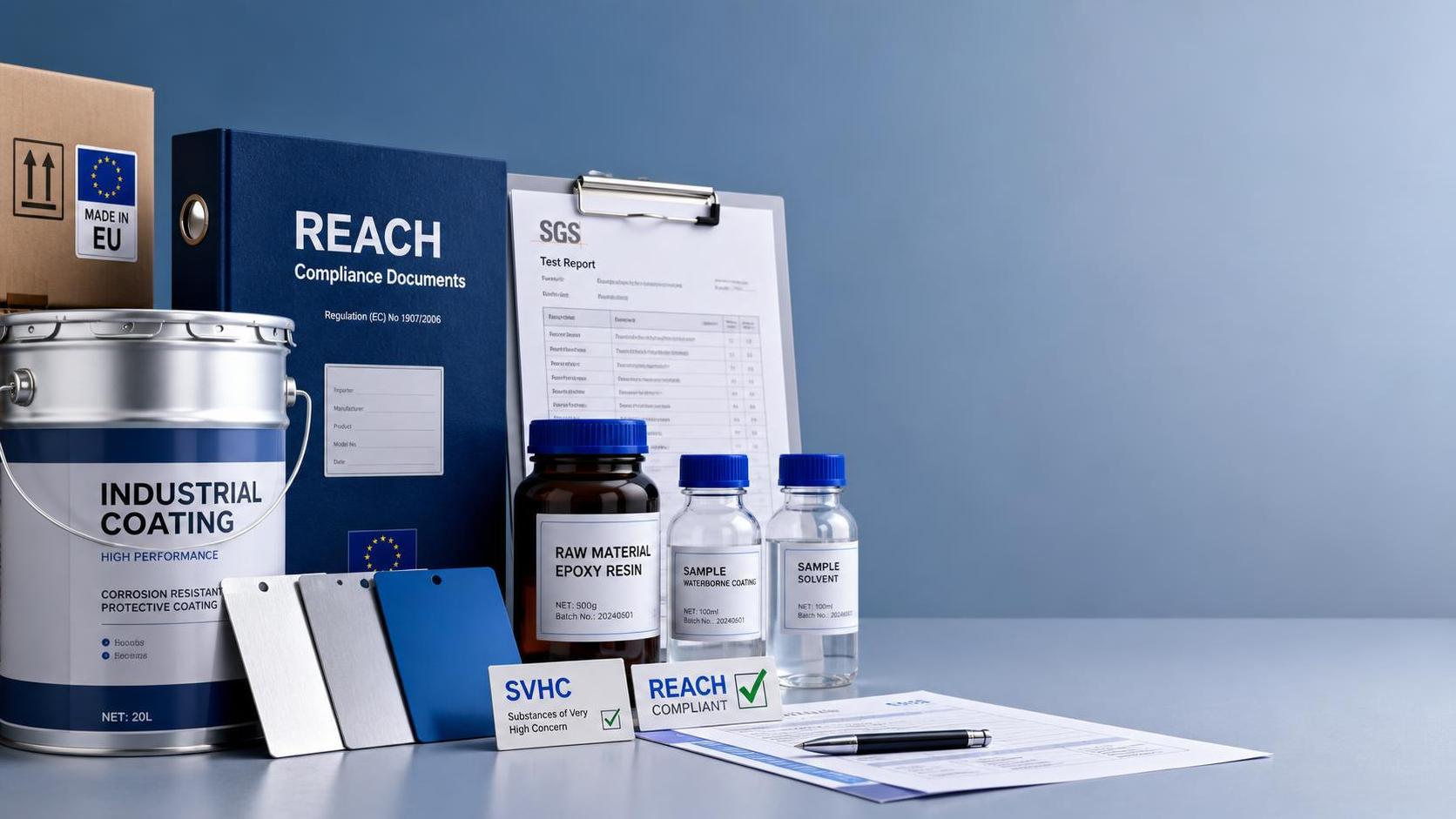
 EU REACH Adds 12 New SVHCs, Forcing Industrial Coating Export Declarations UpdateAug 16, 2026
- Vietnam Rule: Industrial Coating Imports Need SVHC Declaration from China Starting Oct. 1Aug 15, 2026
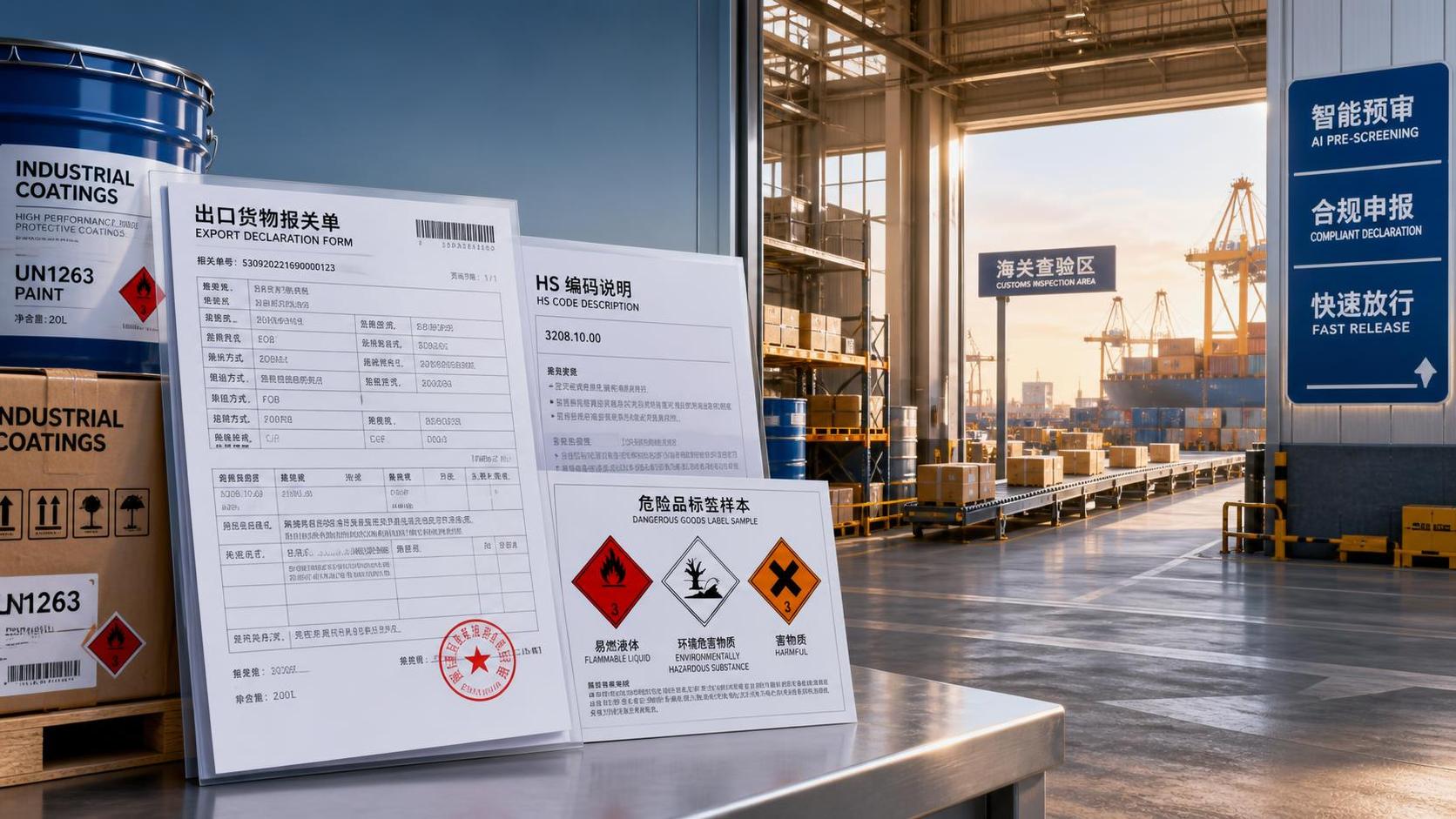
- China Customs Launches Paint Export PrecheckAug 14, 2026
- Nippon Paint Reacquires European Auto Coatings UnitAug 12, 2026



Leave A Reply
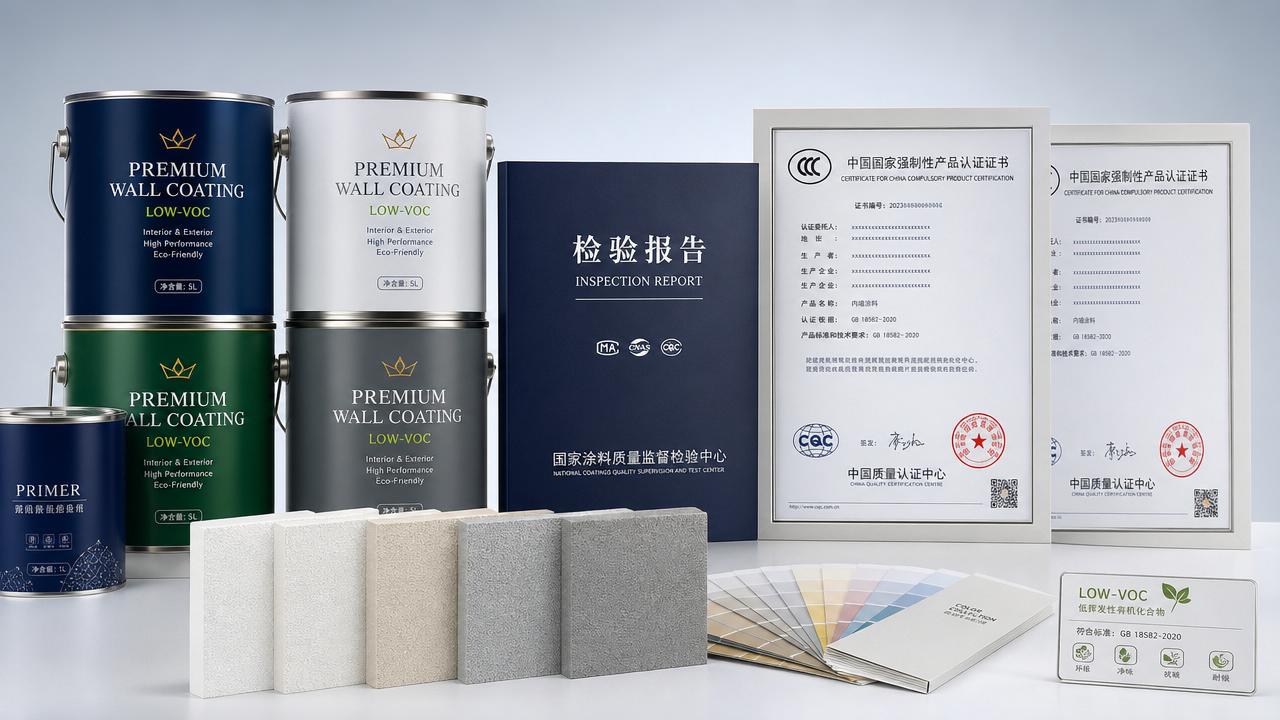
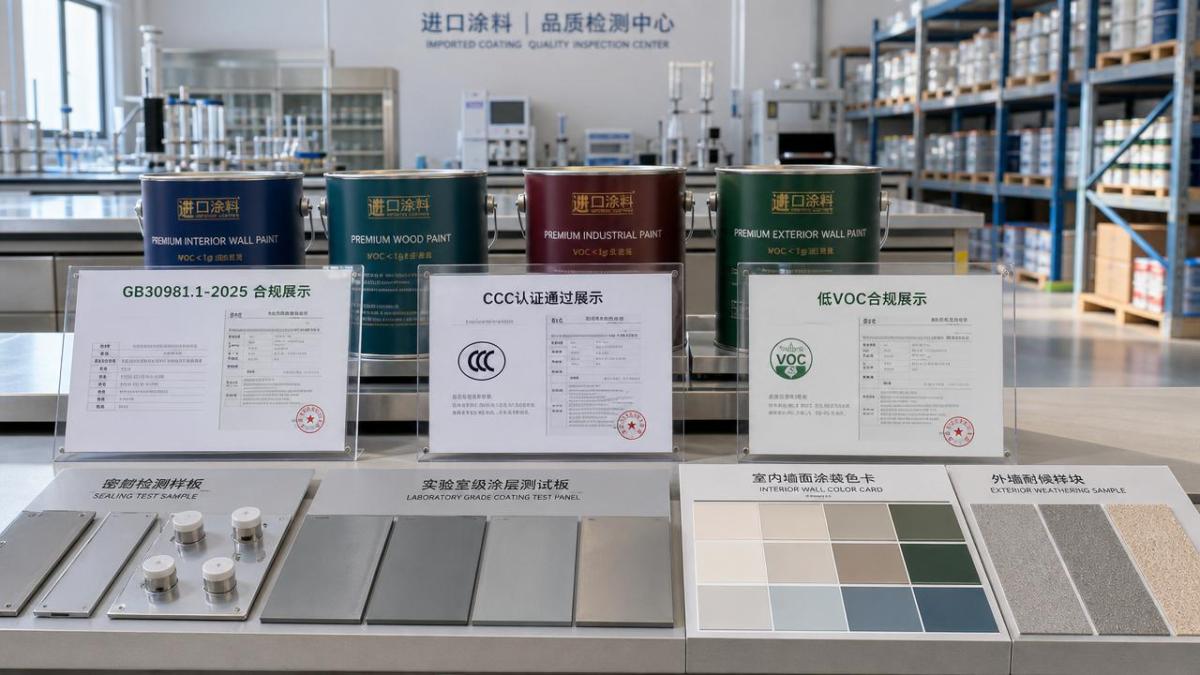
The timing of the underlying event is not clearly specified in the provided information, but the update centers on a compliance milestone tied to GB30981.1-2025 and the new CCC framework for imported coatings. In early June 2026, the full Florida Paints range covered by the summary signals that standards compliance, certification readiness, and import documentation are becoming more material for coating suppliers, project buyers, distributors, and certification-related service providers, especially where low-emission performance and delivery into stricter application settings are under review.
What has been confirmed in this compliance update
According to the provided summary, the full Florida Paints portfolio of interior wall paints, artistic coatings, and exterior wall paints completed full-item testing under GB30981.1-2025 in early June 2026 and obtained the updated CCC certification. The brand is described as one of the first imported brands to achieve dual compliance through U.S. original factory inspection and alignment with the applicable Chinese national standard.
The same summary states that measured VOC and formaldehyde values were more than 50% below the national standard limits. It also indicates that the products are positioned for demanding use cases such as maternity and infant rooms and high-end commercial spaces.
Why this matters across certification, procurement, and supply flow
For importers and brand operators, compliance is moving closer to a market-access screen
Analysis shows that this type of certification outcome matters not only as a product claim, but as a practical signal for imported coating brands operating in a rules-based sales environment. Importers and brand operators may need to pay closer attention to whether testing records, certification status, and factory-audit-related materials can support product entry, channel acceptance, and project review without delays.
For project buyers and specification teams, product selection may shift toward document-backed performance
From an industry perspective, buyers serving sensitive residential or premium commercial applications may increasingly focus on whether a coating product can demonstrate both standard compliance and updated certification status in a form that fits procurement review. The relevant impact is likely to appear in technical document checks, supplier prequalification, bid specification alignment, and acceptance criteria at the project-delivery stage.
For distributors and supply-chain service providers, document consistency may affect delivery certainty
Observably, channel partners and supply-chain service providers may be affected where imported coatings require matching claims across certification files, testing reports, sales materials, and delivery documents. What deserves closer attention is whether all downstream documents describe the certified scope consistently, because any mismatch could affect customer review, order release, or after-sales traceability.
For testing and certification service participants, execution detail becomes commercially relevant
This development also points to a practical implication for testing and certification-related businesses. Where imported brands seek to align original factory oversight with Chinese standard compliance, service providers may see greater demand for clearer report preparation, certification maintenance support, and technical-file coordination tied to market-facing use.
What companies should watch next in day-to-day execution
Check whether certification language matches the actual sales scope
Analysis shows that companies handling imported coatings should verify that product descriptions used in quotations, tender materials, catalogs, and contract attachments remain aligned with the certified product range described in formal compliance documents. This is particularly relevant when a brand promotes full-range compliance across interior, artistic, and exterior coating lines.
Keep testing reports and technical files ready for project review
Where buyers ask for evidence beyond basic marketing claims, testing reports and supporting technical documents may become central to procurement review. Companies should therefore pay attention to whether document sets are complete, current, and usable in commercial settings that require stricter indoor-environment or premium-space screening.
Monitor how stricter-use scenarios are referenced in market communication
The summary links the products to demanding scenarios such as maternity and infant rooms and high-end commercial spaces. It is more appropriate to understand this as an area requiring careful compliance communication rather than as a blanket market conclusion. Companies should watch how such application claims are presented in tenders, sales materials, and customer-facing compliance statements.
Plan for certification continuity and delivery coordination
Because the update highlights annual CCC certification as part of the compliance benchmark, businesses should keep an eye on continuity in certification maintenance, shipment planning, and supplier qualification review. The provided information does not supply the detailed execution timetable, so this remains a practical watchpoint rather than a confirmed operational outcome.
How to read this signal at the current stage
Observably, this update is more than a product-level announcement because it reflects how imported coatings may increasingly be judged through a combined lens of standard conformity, certification status, and traceable factory oversight. At the same time, it is more appropriate to understand the development as an execution signal within compliance practice than as proof of a fully settled market rule across all channels.
From an industry perspective, the key point is not only that one imported brand completed testing and obtained updated certification, but that procurement, distribution, and project-delivery decisions may place more weight on whether compliance evidence is current and operationally usable. Further market interpretation still depends on how documents, certification language, and buyer requirements are applied in practice.
A measured takeaway for the coatings market
This case is best read as a concrete sign that imported coating products can be evaluated against a more explicit combination of product testing, certification, and original factory verification. For businesses across the chain, the practical relevance lies in document readiness, specification alignment, and the ability to support delivery into stricter-use scenarios without compliance gaps.
Analysis shows that the update should currently be treated neither as a simple marketing story nor as a final industry-wide rule conclusion. It is more appropriately understood as a meaningful compliance benchmark and an execution-oriented signal that warrants continued attention as market practice develops.
Basis of this article and points still requiring verification
This article is generated from the user-provided news title, event timing field, and event summary. The timing of the event was not clearly specified in the input, and no specific official source link was provided in the input.
For this type of development, commonly relevant source categories may include official announcements, regulatory releases, trade or customs authority information, industry association updates, standard-setting documents, certification disclosures, and reporting by established professional media. Because no direct official source link was supplied here, the exact official basis should continue to be verified.
What still deserves ongoing attention includes any further rule interpretation, certification execution guidance, changes in tender documentation, market feedback, and how companies implement these compliance requirements in actual sales and delivery processes.