
Categories List
 JFM Paint Strengthens Global Expansion Strategy Through International Market ExchangeSep 10, 2026
 JFM Paint Strengthens Global Presence Through Successful Participation in KOREA BUILD WEEK 2026Aug 27, 2026
 EU REACH Adds 12 New SVHCs, Forcing Industrial Coating Export Declarations UpdateAug 16, 2026
- Vietnam Rule: Industrial Coating Imports Need SVHC Declaration from China Starting Oct. 1Aug 15, 2026
- China Customs Launches Paint Export PrecheckAug 14, 2026
- Nippon Paint Reacquires European Auto Coatings UnitAug 12, 2026





Leave A Reply

Mexico’s Ministry of Economy announced on June 1, 2026 that a 25% special tariff has taken effect on 185 eight-digit HS code coating products from China following an anti-circumvention finding. The measure directly affects key export categories including architectural coatings and industrial anti-corrosion coatings, making it immediately relevant for exporters, Latin American distributors, procurement teams, and downstream customers that must reassess landed cost and pricing decisions.
What the measure covers from day one
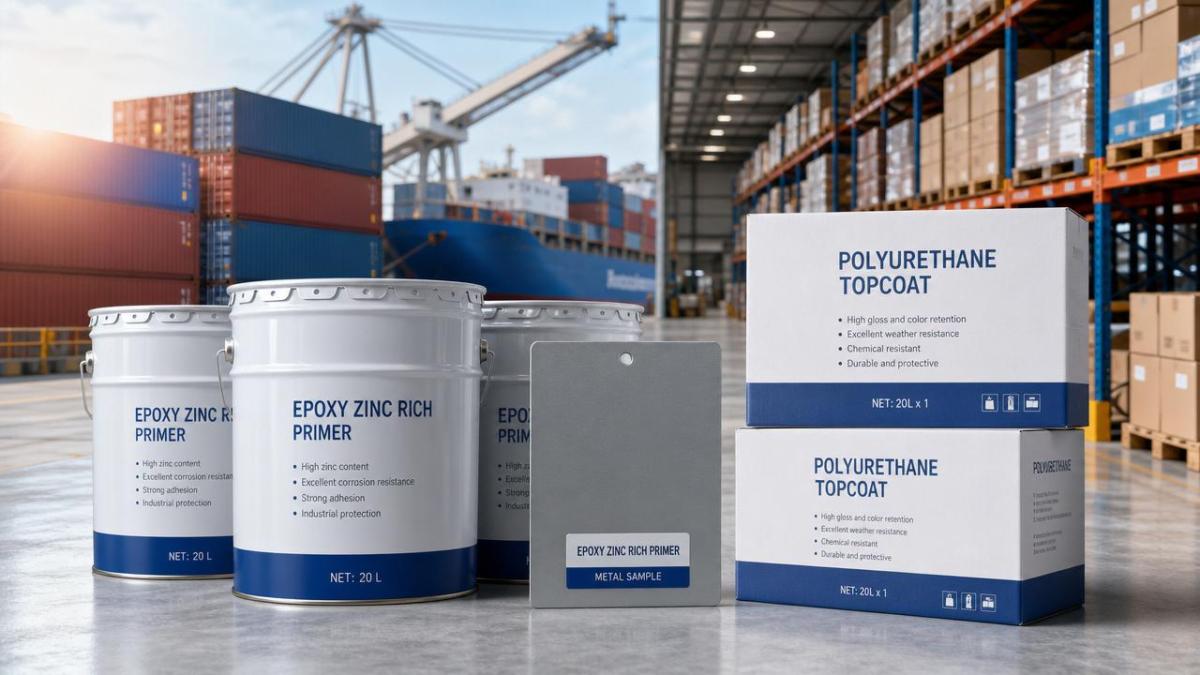
According to the announced measure, the additional 25% duty applies immediately to 185 coating products identified at the eight-digit HS code level and originating from China. The covered scope includes major export items such as water-based and solvent-based interior and exterior wall paints, epoxy zinc-rich primers, and polyurethane topcoats. The action was announced by Mexico’s Ministry of Economy on June 1, 2026 and was described as based on the results of an anti-circumvention investigation.
Where the pressure is likely to appear first
Export transactions and cross-border pricing
From an industry perspective, direct trading companies are likely to feel the effect first because the tariff changes the immediate cost structure of covered products entering Mexico. The main impact is likely to show up in quotation updates, contract execution, and margin calculations for shipments tied to the affected HS classifications.
Distribution and channel inventory decisions in Latin America
Analysis shows that distributors and channel partners may need to revisit procurement timing, replenishment plans, and price pass-through strategies. Because the measure covers core coating categories rather than niche items, the effect is likely to be most visible in how channel operators balance inventory costs against end-market pricing.
Downstream buyers using protected and decorative coatings
Observably, procurement teams and end users purchasing architectural or industrial anti-corrosion coatings may face changes in purchase budgets and product selection discussions. The practical issue is not only the tariff itself, but how quickly suppliers and distributors adjust offer terms and delivery arrangements.
Supply chain service providers handling documentation and delivery
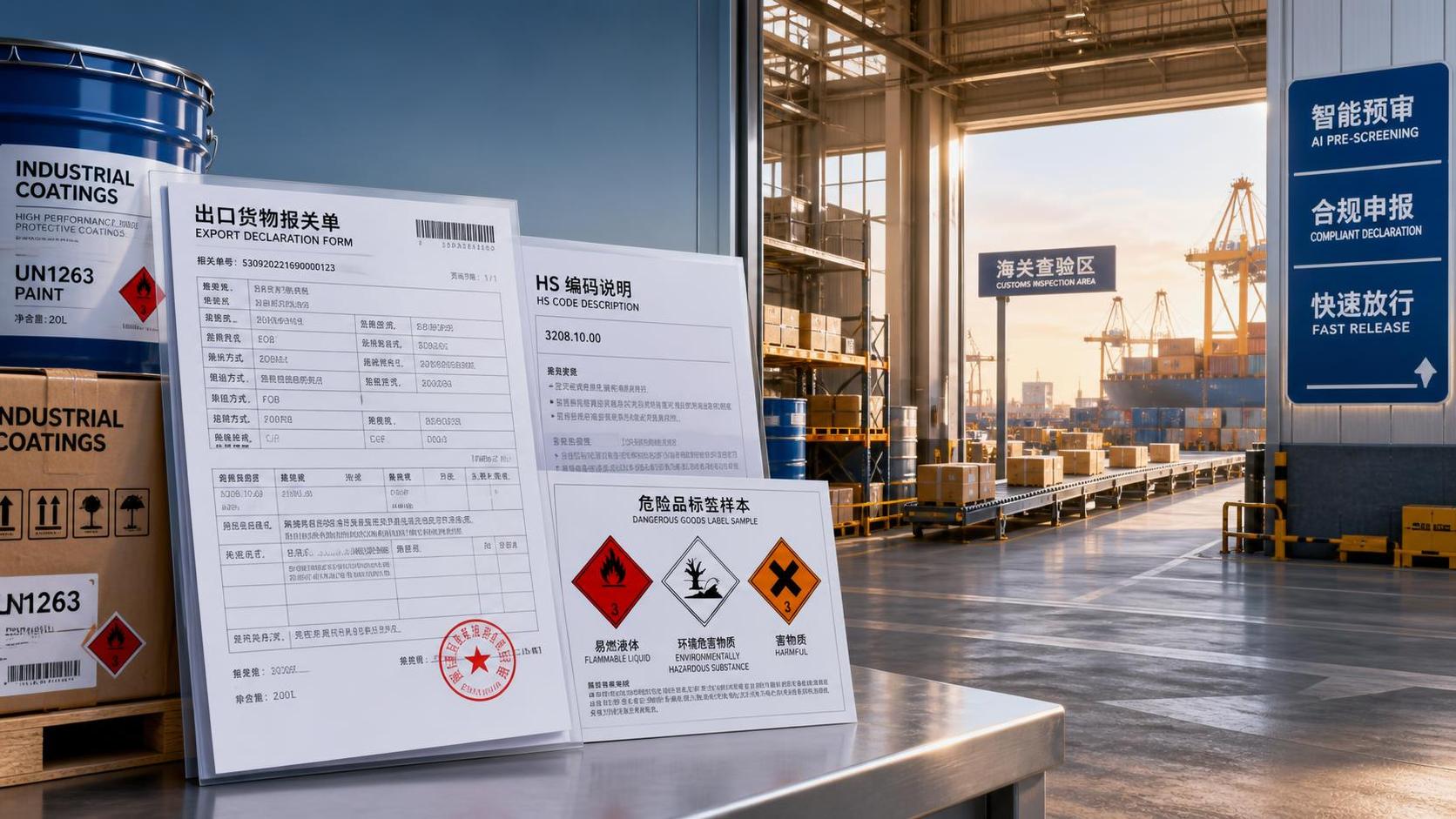
What deserves closer attention is the operational side of classification, customs documentation, and shipment scheduling. For logistics and trade service providers, the affected eight-digit HS code coverage means execution risks may increase if product matching, paperwork, or timing is not aligned with the new tariff treatment.
What companies should monitor now
Track official wording and product-code scope carefully
Companies should first focus on whether their products fall within the 185 listed eight-digit HS codes referenced by the measure. In practice, the difference between a broadly similar coating product and a specifically covered customs classification can be decisive for cost and compliance handling.
Separate policy language from transaction execution
Analysis shows that the announcement itself is only one part of the business impact. Companies also need to watch how the tariff is reflected in declarations, customer quotations, delivery terms, and order confirmation processes, especially for products such as wall paints, epoxy zinc-rich primers, and polyurethane topcoats.
Prepare customer and supplier communication around pricing
For exporters, distributors, and buyers, near-term communication becomes important because procurement cost changes can quickly influence negotiations and final pricing. What deserves closer attention is whether existing offers, ongoing orders, or planned purchases need to be recalculated under the new duty burden.
Review documents and fulfillment timing
Observably, documentation accuracy and execution timing matter more once a tariff measure takes immediate effect. Companies involved in supply, shipping, or import processing should review product descriptions, classification materials, and delivery schedules to reduce avoidable disputes or delays.
Why this matters beyond a single tariff notice
As an editorial observation, this development should not be read merely as a short-lived price adjustment. It already represents a concrete cost change for covered coating products, but it is also more appropriate to understand it as a policy signal that trade compliance, product classification, and pricing discipline are becoming more central in this market segment. At the same time, it remains necessary to continue watching how the measure is implemented in actual business transactions before drawing broader conclusions.
How the market may need to interpret the move
From an industry perspective, the immediate meaning of this news is clear: a defined group of Chinese coating exports to Mexico now faces a higher import cost. The broader implication is less about making firm long-term predictions and more about recognizing a shift in operating conditions for suppliers, channels, and buyers connected to these coating categories. At this stage, it is more appropriate to understand the development as both an active near-term cost event and a longer-term compliance signal that still requires close observation.
Basis of this article and what still needs verification
This article is based on the user-provided news title, event date, and event summary concerning Mexico’s June 1, 2026 tariff measure on 185 China-origin coating products. For this type of development, relevant source categories typically include official government notices, company disclosures, industry association updates, authoritative media reporting, and customs or standards-related documents. A specific official source link was not provided in the input, so the exact publication record should continue to be verified. Follow-up attention should focus on any further official clarification on scope, classification, and practical enforcement in trade operations.