
Categories List
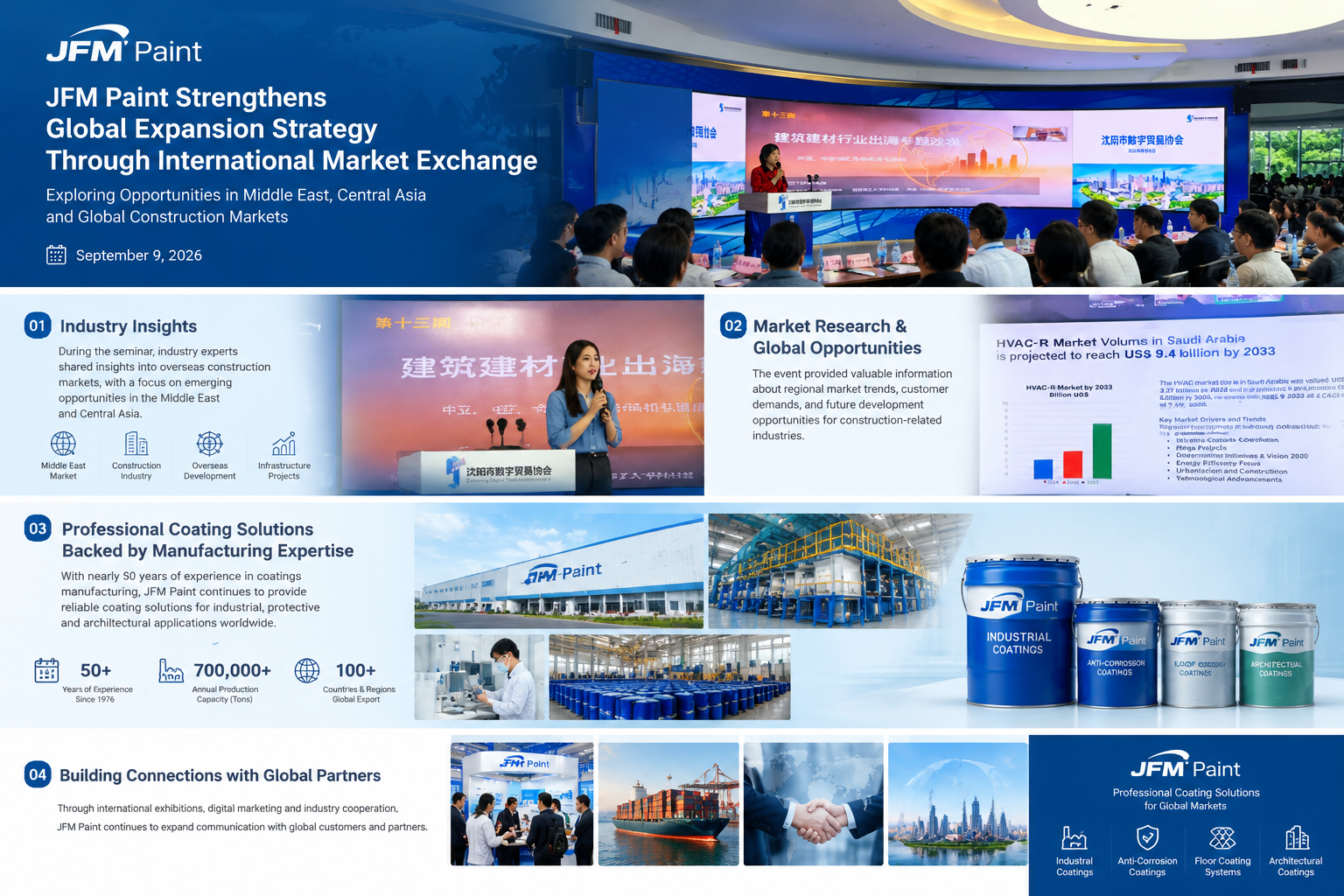
 JFM Paint Strengthens Global Expansion Strategy Through International Market ExchangeSep 10, 2026
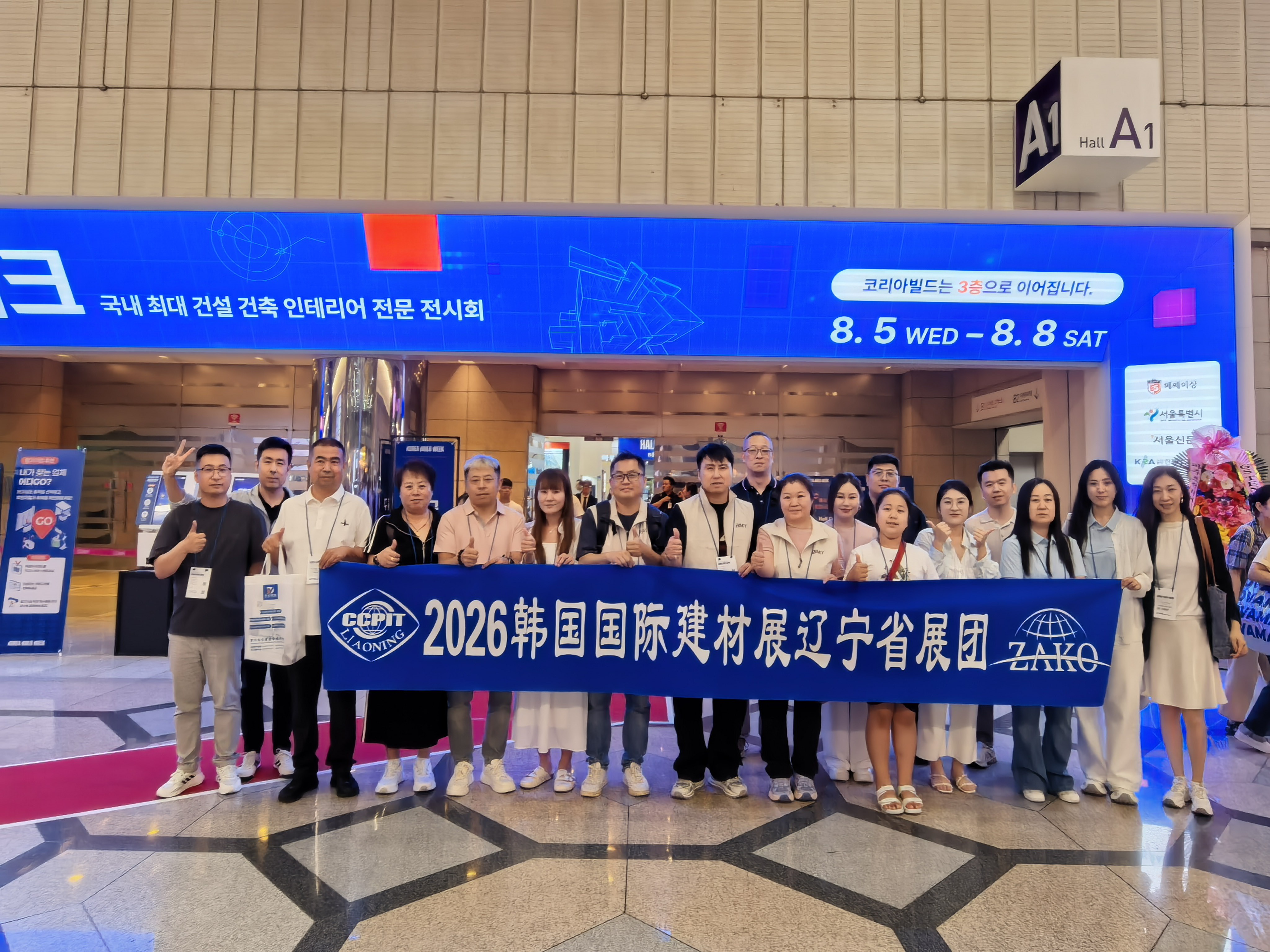
 JFM Paint Strengthens Global Presence Through Successful Participation in KOREA BUILD WEEK 2026Aug 27, 2026
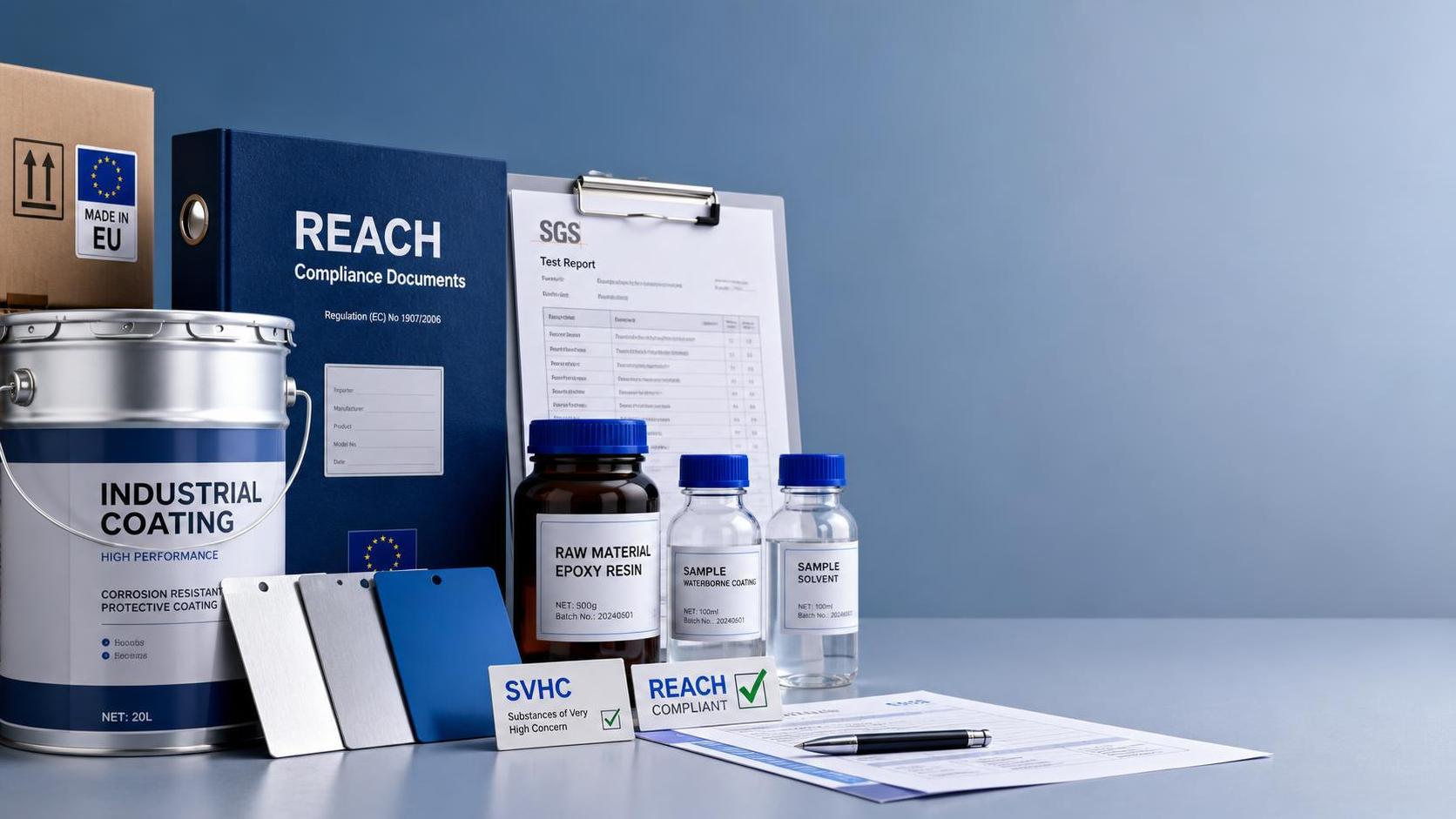
 EU REACH Adds 12 New SVHCs, Forcing Industrial Coating Export Declarations UpdateAug 16, 2026
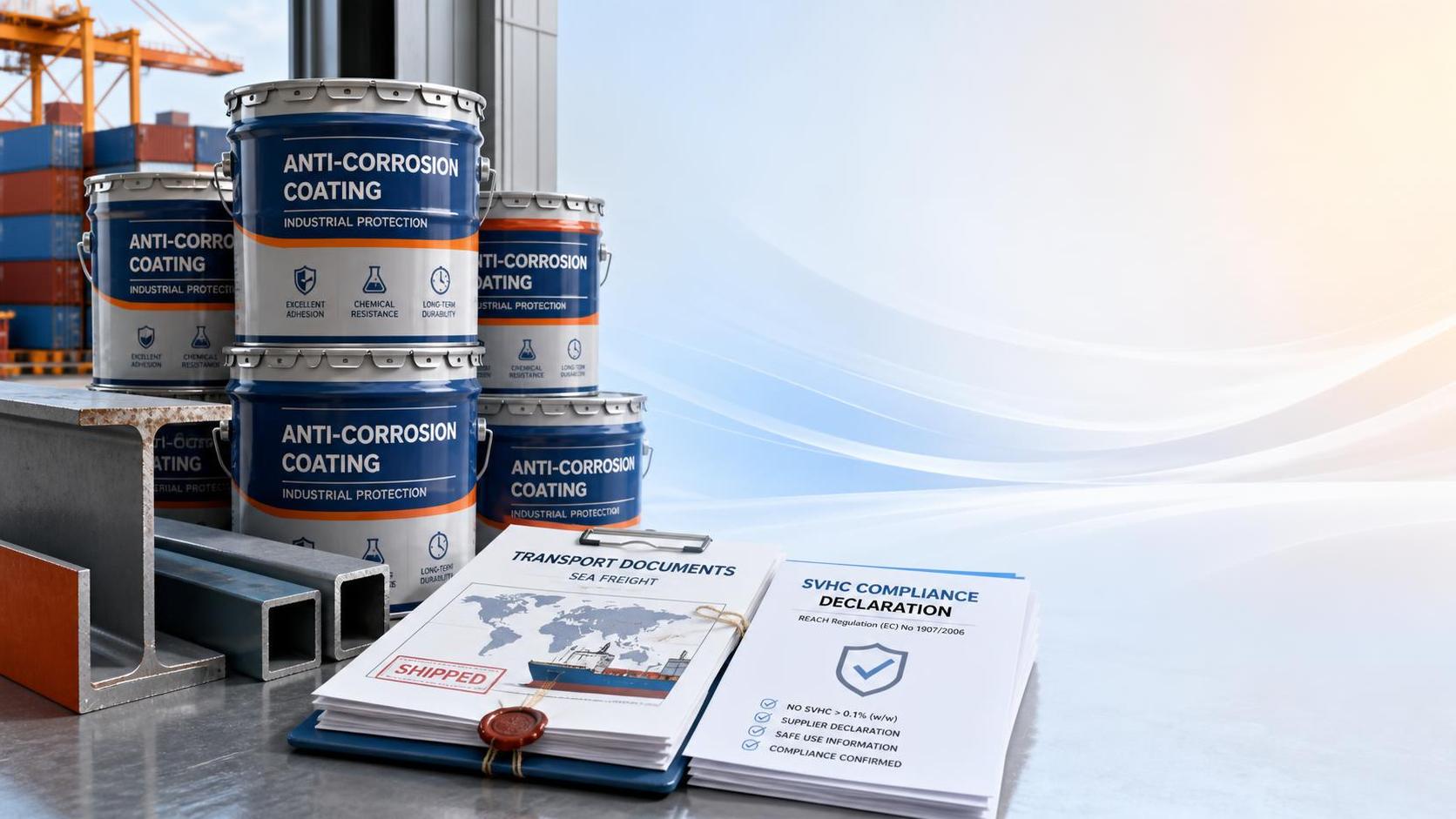
- Vietnam Rule: Industrial Coating Imports Need SVHC Declaration from China Starting Oct. 1Aug 15, 2026
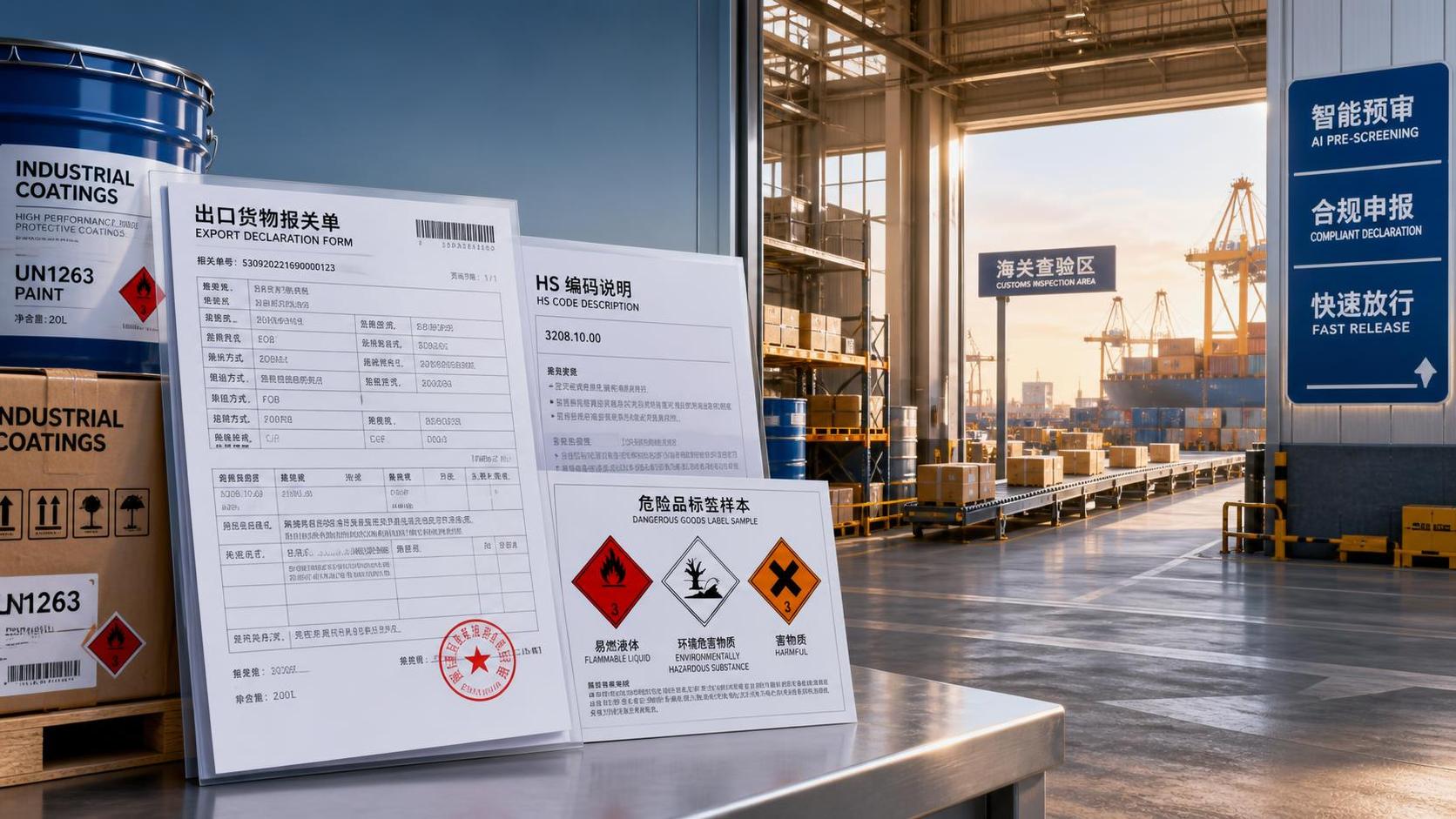
- China Customs Launches Paint Export PrecheckAug 14, 2026
- Nippon Paint Reacquires European Auto Coatings UnitAug 12, 2026

Leave A Reply
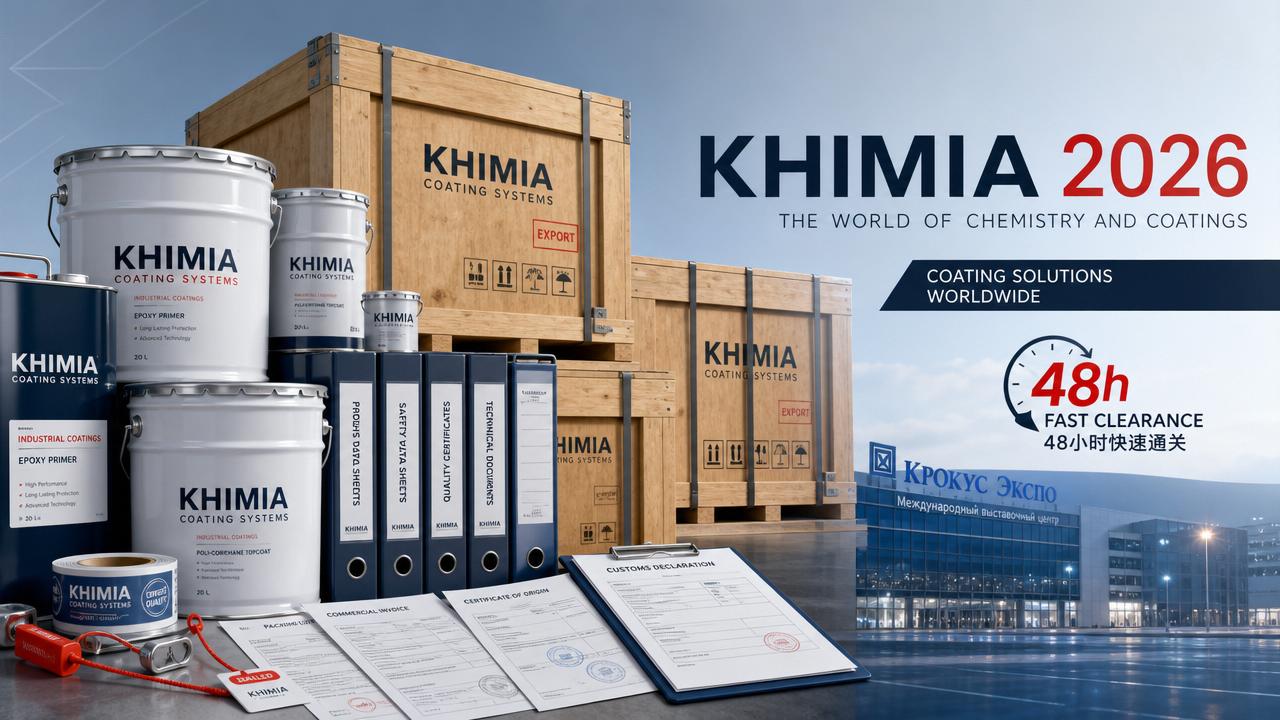
On November 11, 2026, market attention is turning to both event timing and cross-border execution after confirmation that the 28th KHIMIA 2026 will run from November 11 to 14 at Expocentre in Moscow, while a dedicated customs fast track for Chinese coatings exhibitors has been coordinated for qualifying companies. For coatings suppliers, export-facing manufacturers, and exhibition logistics teams, the development matters not only because the exhibition calendar is now fixed, but because customs lead time for eligible exhibits may be reduced to within 48 hours, making documentation readiness a more immediate business issue.
What Has Been Officially Confirmed
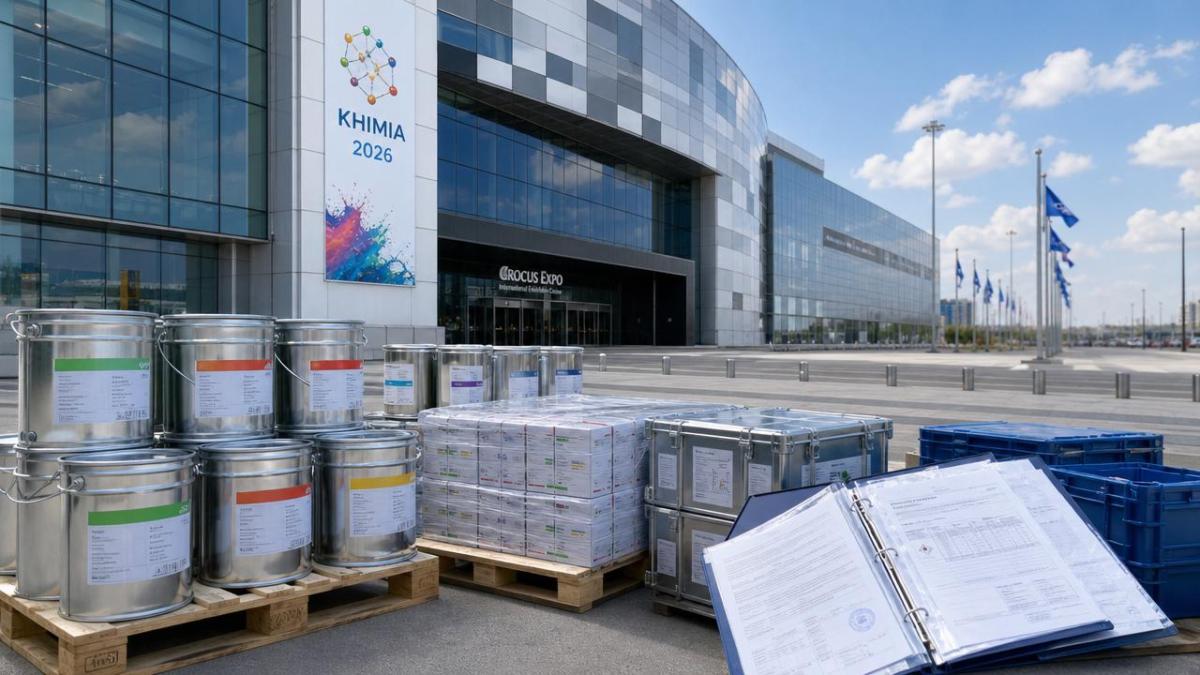
According to the information provided, the KHIMIA 2026 organizing committee announced on June 11, 2026 that the 28th edition of KHIMIA will be held in Moscow at Expocentre from November 11 to 14, 2026.
The same input states that China’s Ministry of Commerce coordinated with Russian customs to establish a dedicated “green channel” for Chinese coatings companies.
This arrangement applies to companies that hold a CNAS test report and a Rostec pre-review approval letter. For those qualifying exhibitors, the customs clearance time for exhibition items is stated to be compressed to within 48 hours.
Why Different Business Roles May Be Watching Closely
Export-oriented coatings exhibitors
From an industry perspective, this group is the most directly affected because the update changes two practical variables at once: event certainty and customs timing. The main impact appears in exhibit preparation, sample shipment scheduling, and pre-show coordination. What deserves closer attention is whether internal teams can secure the required CNAS and Rostec-related documents in time to actually use the fast-track arrangement.
Supply chain and exhibition service providers
Analysis shows that freight coordinators, customs brokers, and exhibition support teams may need to adjust workflows around documentation review rather than only transport booking. If customs clearance can be shortened for eligible goods, service providers may place more emphasis on document completeness, submission order, and exception handling for shipments that do not meet the stated conditions.
Procurement and channel-facing business teams
For teams using the exhibition as a point of market contact, the update may affect how they communicate delivery timing, sample availability, and meeting arrangements with counterparties. The direct influence is less about sales volume as a confirmed fact and more about whether exhibit arrival risk can be better controlled for qualified participants.
What Companies Should Check Now
Eligibility is the first operational filter
The fast-track arrangement is not described as universal. It is tied to companies holding a CNAS test report and a Rostec pre-review approval letter. For that reason, firms should distinguish between headline policy language and their own actual eligibility before making shipment or exhibition commitments.
Documentation readiness may matter more than transport speed
Observably, the stated 48-hour clearance window is linked to preconditions, not simply to shipment dispatch. Companies preparing exhibits should therefore focus on whether test reports, pre-review letters, and supporting paperwork are aligned early enough to avoid delays created by incomplete files.
Internal coordination should cover both commercial and compliance teams
Because the update combines exhibition planning with customs handling, responsibility should not sit only with sales or marketing teams. What deserves closer attention is coordination among product, compliance, logistics, and customer-facing staff so that shipment plans match document status and client communication remains consistent.
Further official wording still needs close reading
Analysis shows that businesses should continue monitoring whether any follow-up notices clarify scope, procedures, or operational details around the green channel. A favorable policy signal and smooth on-the-ground execution are related, but they are not the same thing.
How This News Is Best Understood at This Stage
Analysis shows that this update carries both a short-term operational meaning and a longer-term signal, but the two should not be confused. In the short term, it gives eligible Chinese coatings exhibitors a clearer path for planning shipments to KHIMIA 2026. In a broader sense, it also suggests that compliance documentation is becoming central to exhibition participation efficiency, not just a background requirement.
At the same time, it is more appropriate to understand this as a targeted and conditional facilitation measure rather than a blanket change for all chemical trade flows or all exhibitors. Industry participants still need to watch how the arrangement is applied in practice.
A Practical Reading of the Development
The confirmed exhibition dates remove one layer of uncertainty, while the dedicated customs green channel introduces a potentially meaningful execution advantage for a defined group of Chinese coatings companies. For the industry, the key point is not simply faster clearance as a headline, but the fact that access to that speed depends on preparation, qualification, and document control.
It is more appropriate to understand this news as an actionable but still conditional industry development: important enough to affect planning now, yet still requiring continued observation as companies move from announcement to actual shipment and exhibition execution.
Basis of This Article
This article is generated based on the user-provided news title, event date, and event summary. The analysis is limited to the confirmed information that KHIMIA 2026 has been scheduled for November 11 to 14, 2026 at Expocentre in Moscow, and that a dedicated customs green channel has been coordinated for qualifying Chinese coatings companies with the stated CNAS and Rostec-related documentation conditions.
For developments of this type, source categories commonly relevant include official event announcements, government notices, customs-related statements, industry association updates, company disclosures, and reporting by authoritative trade media. No specific official source link was provided in the input, so the exact official link remains to be further verified. Continued attention should focus on any subsequent official clarification regarding eligibility scope, document requirements, and operational implementation.