
Categories List
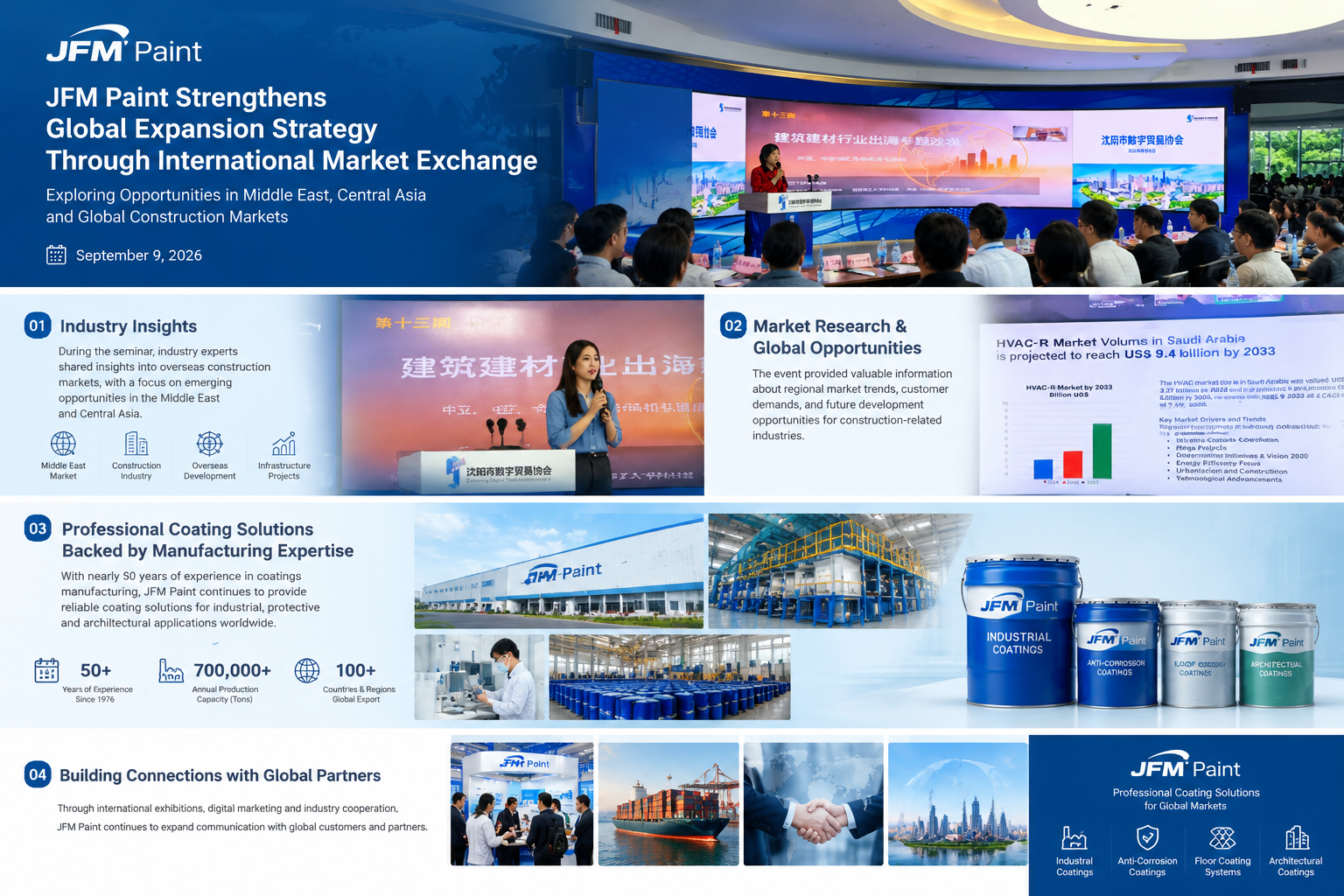
 JFM Paint Strengthens Global Expansion Strategy Through International Market ExchangeSep 10, 2026
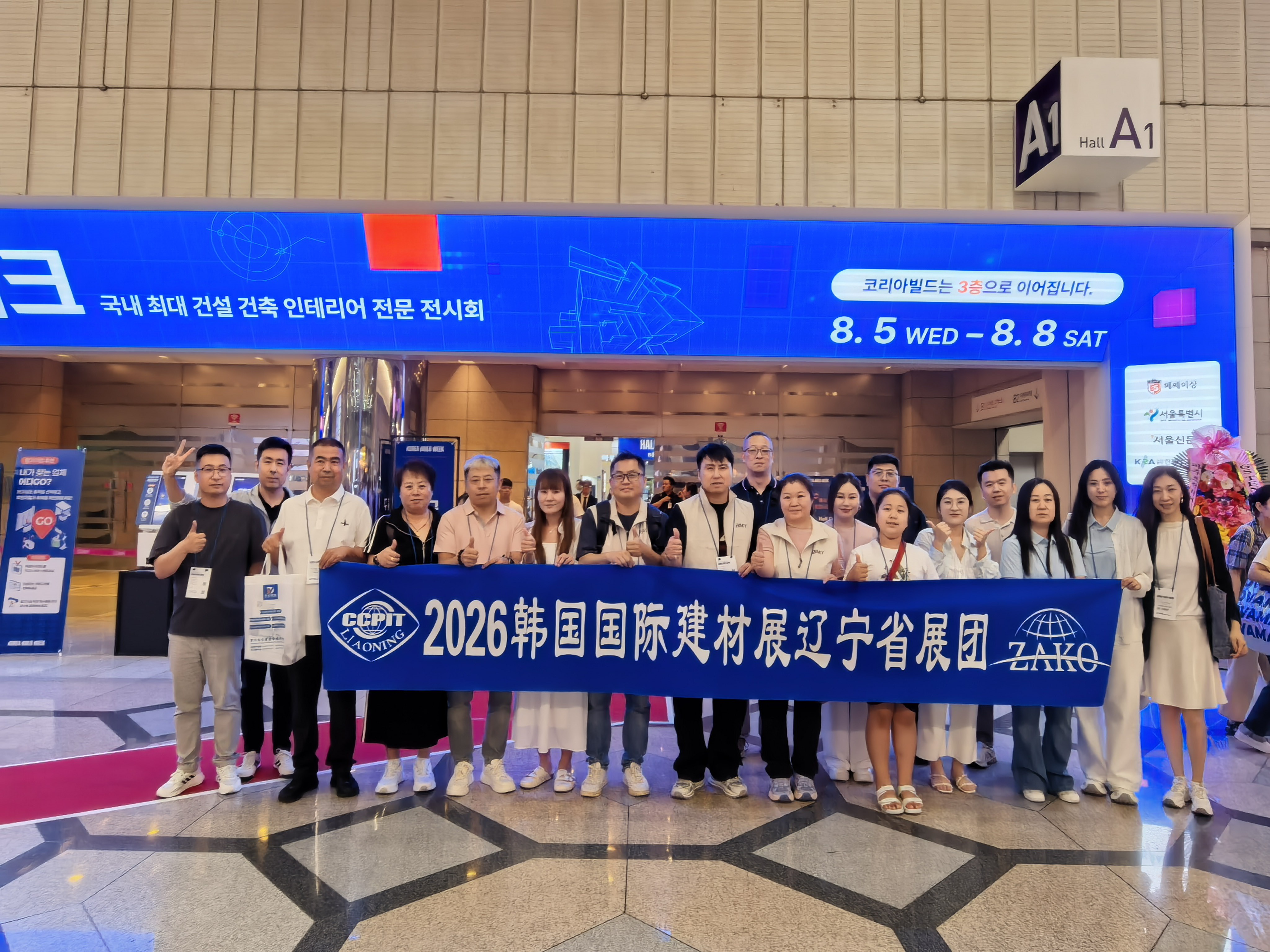
 JFM Paint Strengthens Global Presence Through Successful Participation in KOREA BUILD WEEK 2026Aug 27, 2026
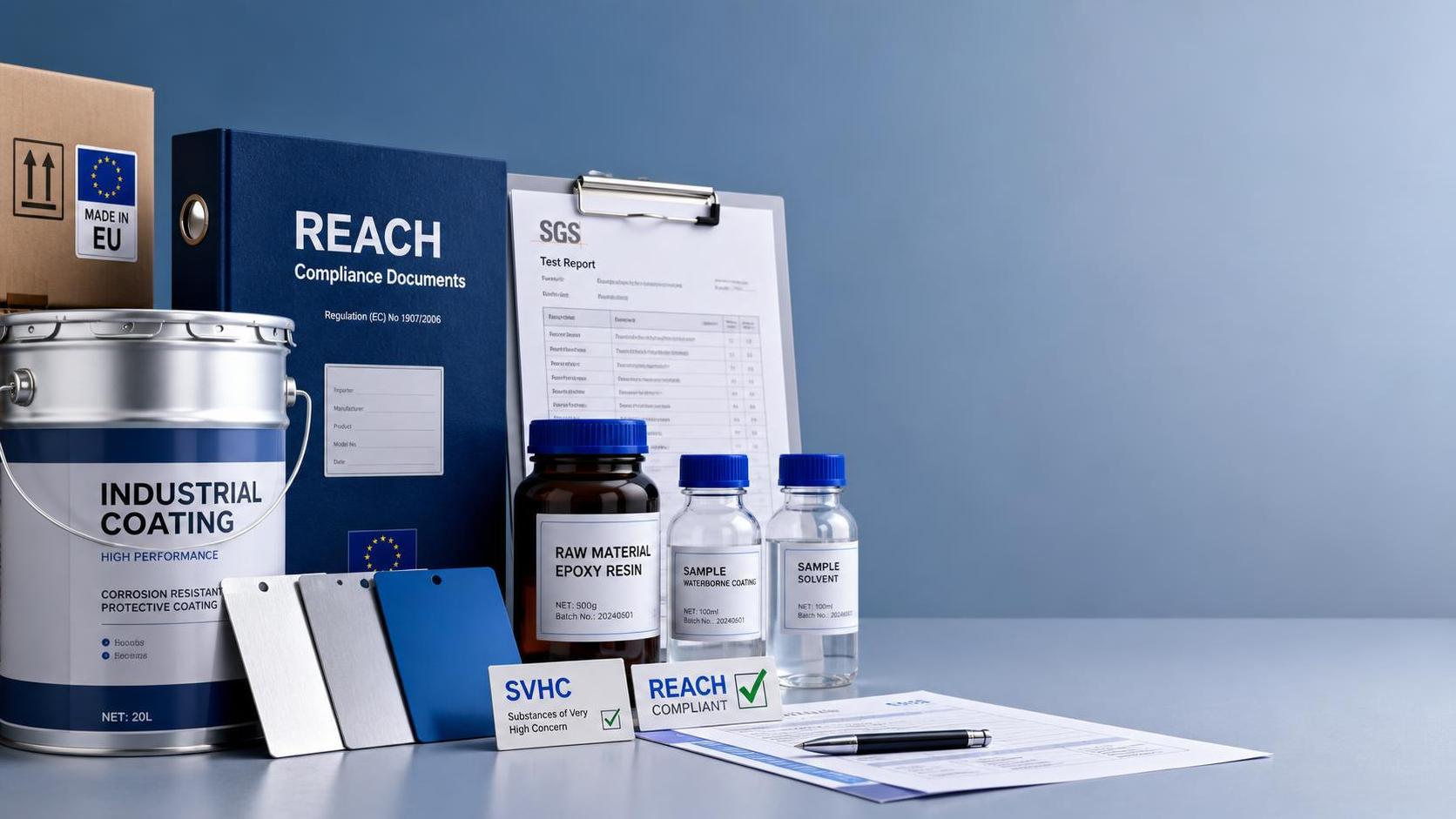
 EU REACH Adds 12 New SVHCs, Forcing Industrial Coating Export Declarations UpdateAug 16, 2026
- Vietnam Rule: Industrial Coating Imports Need SVHC Declaration from China Starting Oct. 1Aug 15, 2026
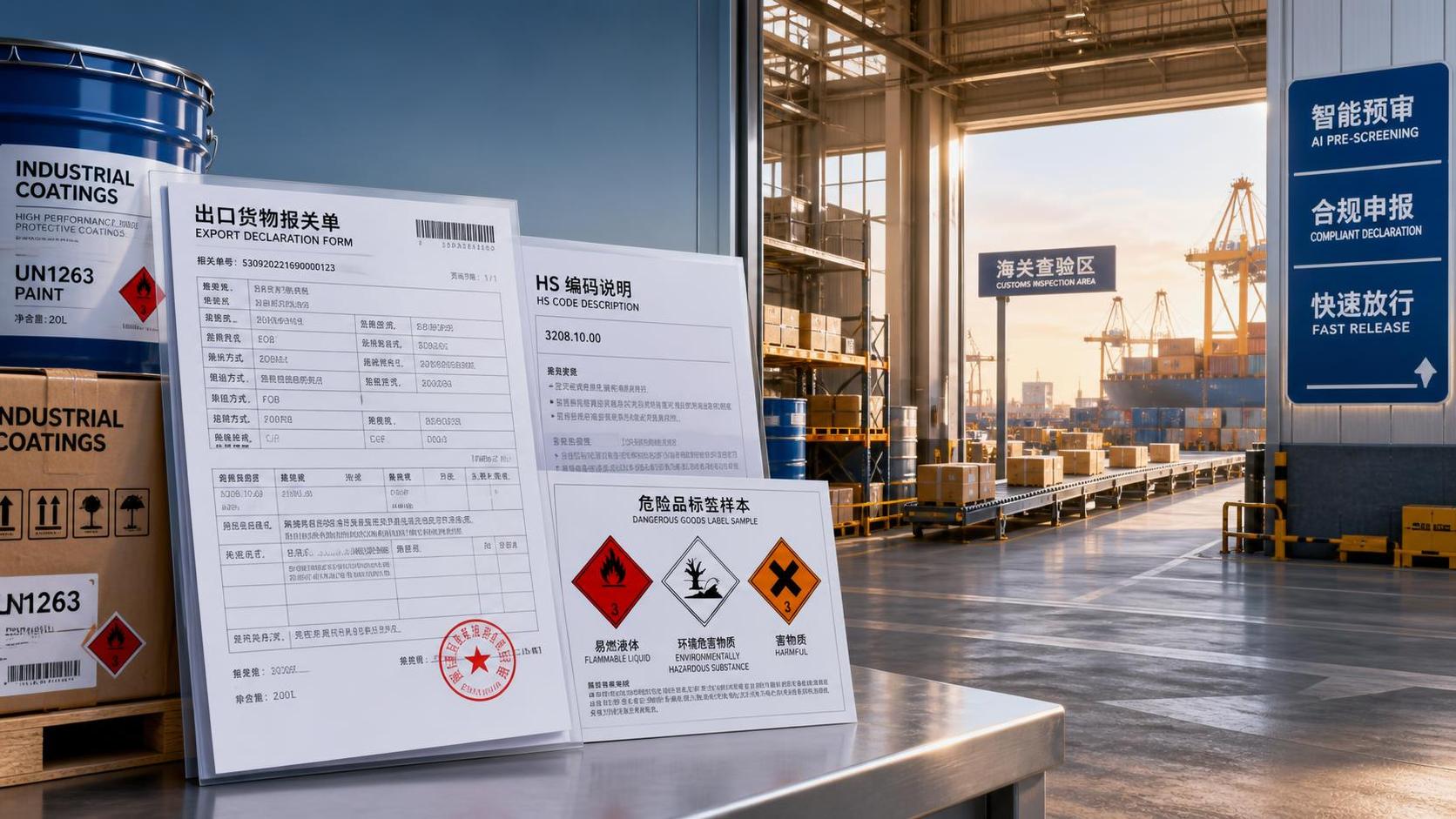
- China Customs Launches Paint Export PrecheckAug 14, 2026
- Nippon Paint Reacquires European Auto Coatings UnitAug 12, 2026


Leave A Reply
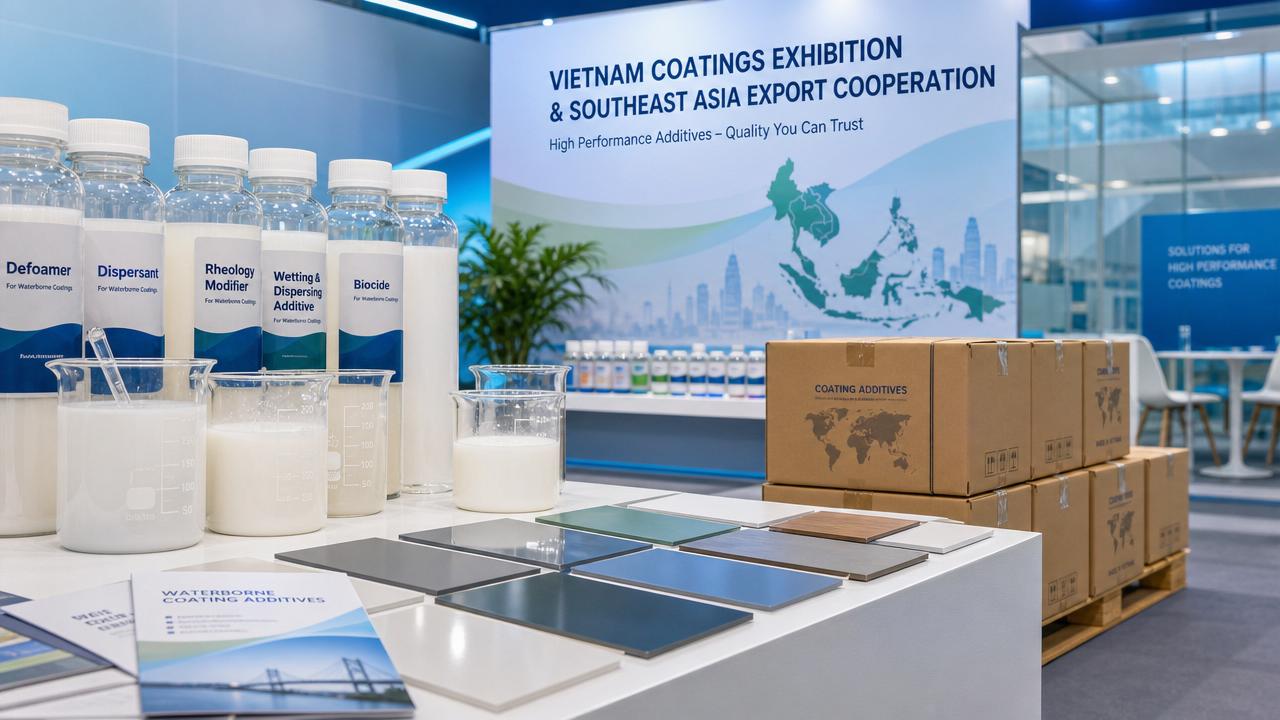
From June 10 to June 12, 2026, the 11th Vietnam Coating Show concluded in Ho Chi Minh City and drew attention from the coatings supply chain beyond the exhibition floor. Chinese coating additive suppliers, including Suzhou Guojian, reached multiple export cooperation intentions with buyers from RCEP markets such as Vietnam, Thailand, and Indonesia. For additive producers, coating manufacturers, procurement teams, and service providers, the development is worth watching because it points not only to active near-term trade discussions, but also to a clearer preference in Southeast Asia for low-VOC, highly compatible water-based additives supported by localized technical service.

What the Exhibition Confirmed
On June 12, the 11th Vietnam Coating Show 2026 closed at the Saigon Exhibition and Convention Center in Ho Chi Minh City. During the event, Chinese coating additive companies such as Suzhou Guojian reached multiple export cooperation intentions on site. The counterpart buyers highlighted in the event summary came mainly from RCEP member markets including Vietnam, Thailand, and Indonesia. The exhibition also sent a clear market signal: demand in Southeast Asia is rising for low-VOC, highly compatible water-based additives, and buyers are showing preference for Chinese suppliers that can provide localized technical service capabilities.
Why Different Market Participants May Pay Attention
Export-oriented additive suppliers face a more specific demand profile
From an industry perspective, this development matters to direct trade companies because the signal is not simply that demand exists, but that demand is becoming more selective. The business impact is likely to be felt in product positioning, sample communication, technical matching, and customer follow-up, especially where buyers are comparing low-VOC performance and formulation compatibility rather than price alone.
Coatings manufacturers may reassess sourcing priorities
For processing and manufacturing companies using additives in water-based systems, the event suggests that procurement discussions in Southeast Asia may increasingly focus on formulation fit and service responsiveness. Analysis shows that the most relevant business links are likely to be raw material selection, technical verification, and communication with upstream suppliers that can support local application needs.
Procurement and channel teams may need closer supplier screening
Buyers, distributors, and channel-side participants may be affected because supplier selection appears to be moving toward a combined evaluation of product characteristics and service capability. What deserves closer attention is whether a supplier can support localized technical communication, documentation, and post-contact coordination, as these factors may influence conversion from exhibition intent to actual orders.
Service providers in the trade chain may see more coordination work
Supply chain and service companies may also need to watch this trend. Observably, when export intentions involve multiple Southeast Asian markets, coordination around delivery planning, technical exchanges, and routine transaction support can become more important, even when the event itself does not yet confirm final shipment outcomes.
What Companies Should Watch Next
Distinguish exhibition intentions from executed business
Analysis shows that the announced outcome is the formation of multiple export cooperation intentions, not a confirmed statement of completed long-term contracts or realized shipment volume. Companies following this market should separate commercial signaling from finalized execution and continue to track how these intentions progress after the exhibition.
Focus on water-based additive categories tied to current demand
The clearest product-side message in the event summary concerns low-VOC and highly compatible water-based additives. For relevant businesses, the practical issue is not to generalize across all additive categories, but to identify which product lines, samples, and technical materials align with this stated demand direction in Southeast Asia.
Localized technical service is becoming part of market access
What deserves closer attention is the repeated emphasis on localized technical service capability. For exporters and service teams, this means customer communication, technical response speed, and application support may matter alongside product supply. The point is especially relevant for companies engaging buyers in Vietnam, Thailand, and Indonesia.
Prepare for stricter customer-side verification
Observably, when buyers express preference for compatibility and service capability, supplier review may extend beyond product quotations. Companies may need to pay closer attention to technical documentation, communication records, delivery coordination, and the practical details needed to move from exhibition discussions to stable order follow-up.
How This Signal Should Be Read
Analysis shows that this news is best understood as a meaningful market signal rather than a fully settled industry outcome. It indicates that Southeast Asian demand for certain water-based additive characteristics is becoming more visible and that Chinese suppliers with localized service readiness are gaining attention in buyer conversations. At the same time, it remains necessary to observe whether this preference becomes sustained purchasing behavior across more projects and more product categories.
What the Development Means at This Stage
At this stage, the exhibition outcome points to two connected realities: first, Chinese coating additive exporters are finding concrete openings in RCEP-linked Southeast Asian markets; second, buyer expectations are becoming more detailed in terms of VOC profile, compatibility, and service support. It is more appropriate to understand this as a short-term commercial development with possible longer-term significance, rather than as proof of a completed structural shift.
About the Basis of This Article
This article is based on the user-provided news title, event dates, and event summary concerning the close of Vietnam Coating Show 2026 and the export cooperation intentions reached by Chinese coating additive companies. For this type of industry update, relevant source categories typically include official exhibition announcements, company statements, industry association information, authoritative media reports, and standard-setting or technical reference documents. No specific official source link was provided in the input, so the exact original source link still requires further verification. Follow-up observation should focus on whether the cooperation intentions announced at the exhibition develop into confirmed orders, and whether the demand signal for low-VOC, highly compatible water-based additives continues to strengthen in Southeast Asian markets.