
Categories List
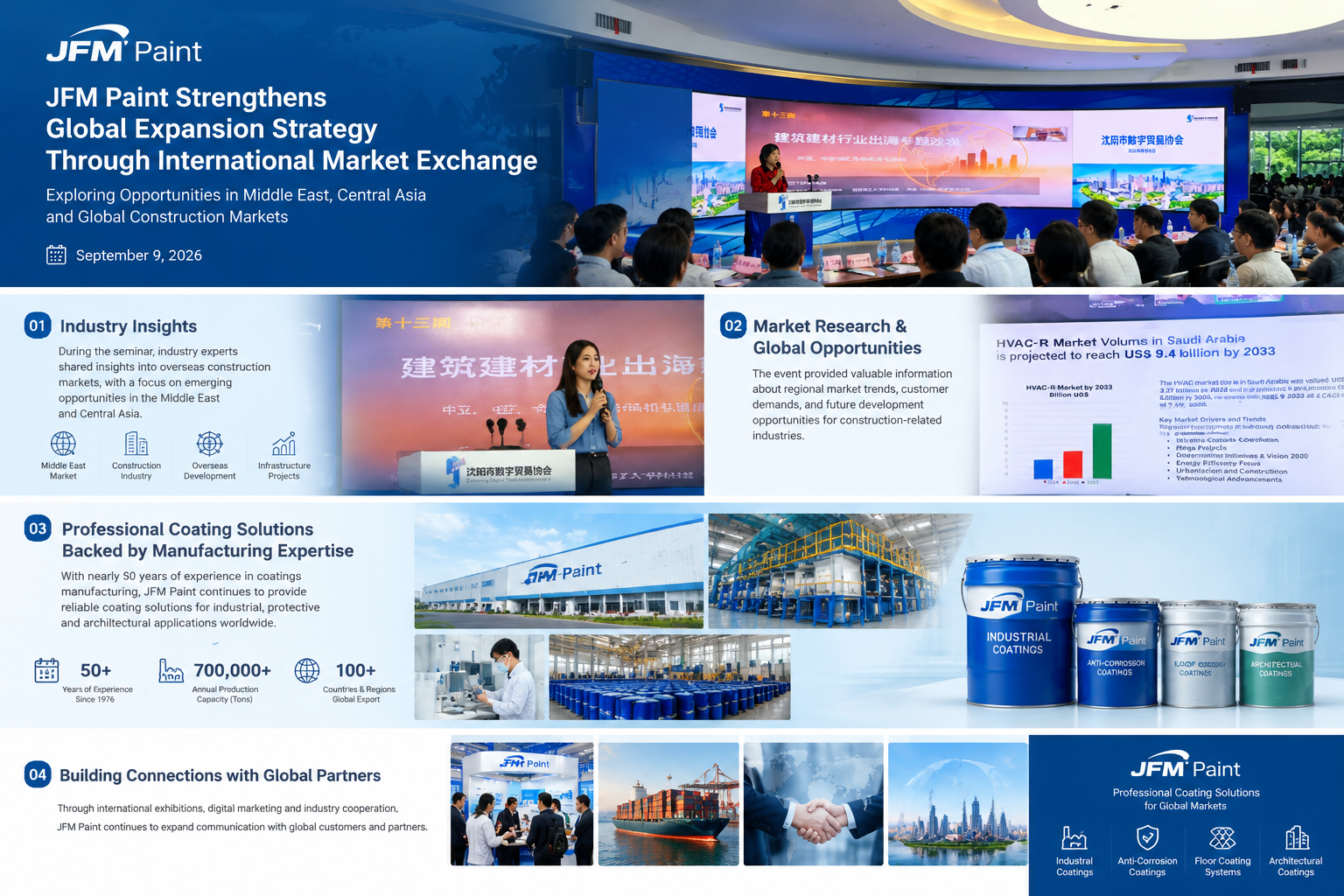
 JFM Paint Strengthens Global Expansion Strategy Through International Market ExchangeSep 10, 2026
 JFM Paint Strengthens Global Presence Through Successful Participation in KOREA BUILD WEEK 2026Aug 27, 2026
 EU REACH Adds 12 New SVHCs, Forcing Industrial Coating Export Declarations UpdateAug 16, 2026
- Vietnam Rule: Industrial Coating Imports Need SVHC Declaration from China Starting Oct. 1Aug 15, 2026
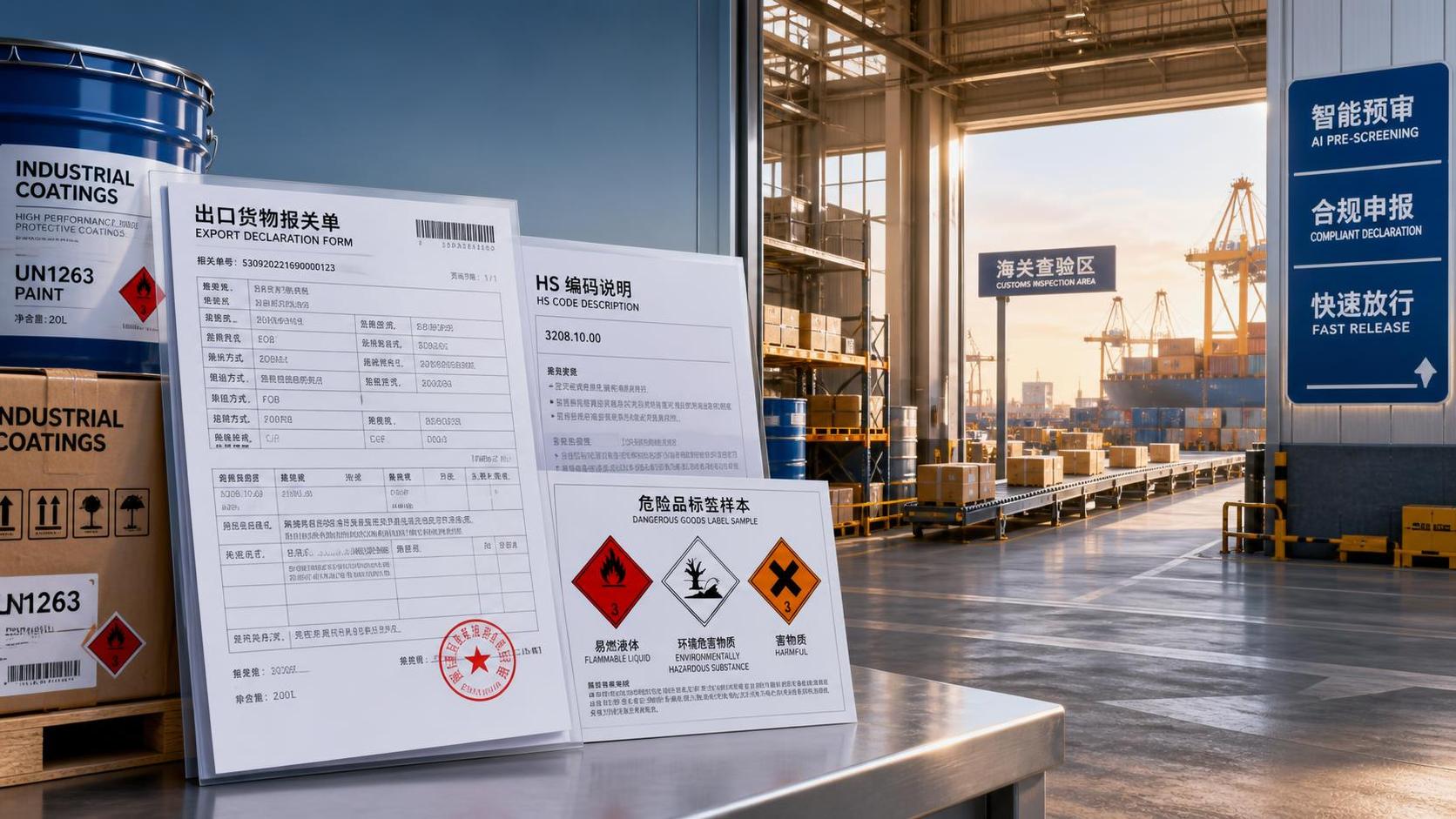
- China Customs Launches Paint Export PrecheckAug 14, 2026
- Nippon Paint Reacquires European Auto Coatings UnitAug 12, 2026




Leave A Reply

On June 10, 2026, a new RCEP-related tariff change took effect for industrial coatings trade between China and Southeast Asia: Vietnam and Malaysia formally removed most-favored-nation import tariffs on three categories of Chinese industrial coatings. The change matters not only for exporters and distributors, but also for procurement teams, supply chain service providers, and localized coating service partners, because it directly affects import cost, customs timing, and the way regional delivery and service coordination may be organized.
What the tariff change now covers
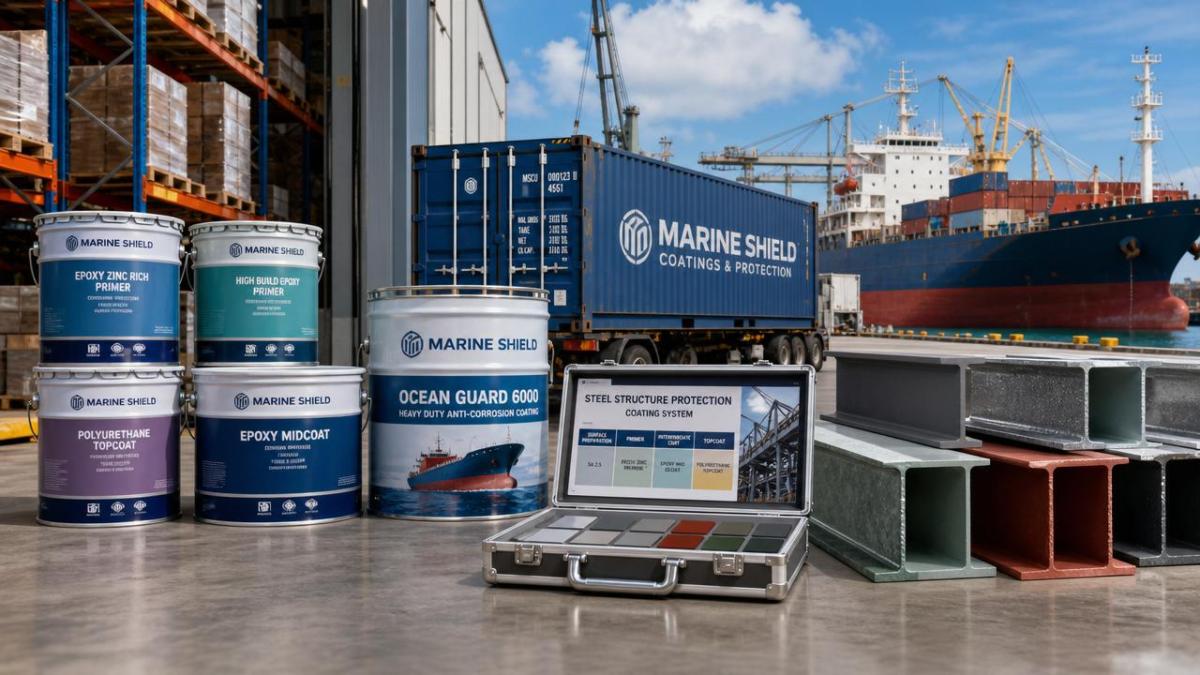
According to the confirmed event details, from June 10, 2026, Vietnam and Malaysia officially canceled most-favored-nation tariffs on three categories of industrial coatings imported from China. The covered categories are anti-corrosion coatings, marine heavy-duty anti-corrosion coatings, and steel structure protective coatings. The stated direct effects are an estimated 8–12% reduction in import costs for Southeast Asian distributors, shorter customs clearance cycles, and stronger room for cooperation in localized coating service arrangements within the region.
Where the change is likely to be felt first
Import distribution will see the most immediate operational effect
From an industry perspective, distributors and channel operators in Southeast Asia are the most immediate participants affected, because the confirmed change directly targets import tariffs and customs handling efficiency. The main business impact is likely to appear in landed-cost calculations, order timing, inventory planning, and customs document preparation. What deserves closer attention is whether internal pricing files, product classification records, and shipment documentation are aligned with the covered coating categories so that tariff treatment can be applied accurately.
Chinese exporters may need tighter trade-document control
Analysis shows that exporters of anti-corrosion and protective coating products may benefit commercially only if shipment files, technical descriptions, and product category identification are consistent with the tariff treatment now in force. The issue is not only price competitiveness, but also whether export teams can support customers with clear product documentation, delivery coordination, and after-sales traceability for the covered coating types. If execution details are clarified further later on, exporters may also need to watch for any updated wording used in customs, procurement, or tender materials.
Procurement and project delivery teams may reassess sourcing rhythm
For buyers, project contractors, and delivery planners, the change may affect procurement timing and supplier comparison, especially where anti-corrosion systems or steel protection products are part of project schedules. Observably, the shorter customs cycle mentioned in the event summary could influence replenishment planning and delivery sequencing. Companies should therefore pay attention to whether purchasing specifications, bid documents, and technical submittals clearly identify the relevant coating categories and whether supplier qualification files remain complete for cross-border delivery.
Localized service cooperation may gain practical importance
The event summary also points to more room for localized coating service cooperation. Analysis shows this matters for service partners involved in application support, technical coordination, and post-delivery response, because tariff and customs improvements can make product supply and local execution more closely linked. Even so, companies should not treat this as a settled market outcome; it is more appropriate to view it as a practical opening for closer regional coordination between product supply and local service capability.
What companies should watch in the near term
Check product scope against commercial and customs files
Companies trading the affected coating products should first verify that product names, technical descriptions, and shipment records match the categories covered by the tariff change. This is especially important where anti-corrosion, marine heavy-duty, and steel structure protection products are marketed under different internal naming systems.
Review procurement and delivery assumptions
Importers, distributors, and project buyers should review whether the reported cost reduction and shorter customs timing alter purchase cycles, stocking assumptions, or delivery promises. Since the input does not provide detailed implementation procedures, this should be treated as a point for monitoring rather than as a fully standardized execution result across every transaction.
Watch for changes in tenders and technical documentation
Analysis shows that one practical signal of market adjustment may appear in tender documents, technical bid alignment, and supplier submission materials. If buyers or channel partners start revising product scope, commercial terms, or delivery expectations around the covered coating categories, that would indicate the tariff change is moving from rule text into daily execution.
Keep compliance and traceability records ready
Although the confirmed event concerns tariffs rather than a new certification regime, companies should still maintain complete technical files, quality records, and shipment documentation. In practice, any customs-related advantage is easier to realize when product identity, supporting documents, and after-sales traceability are consistent across export, import, and local delivery stages.
How this change is best understood at this stage
Observably, this development is more than a headline about lower import duties; it is a concrete trade-rule adjustment that can affect pricing, customs handling, and regional service coordination at the transaction level. At the same time, it should not yet be overstated as a full market reshaping event. It is more appropriate to understand this as an implemented rule change with immediate commercial relevance, while the depth of its impact still depends on execution practice, document handling, procurement response, and industry follow-through.
A measured reading for the coatings trade
For the industrial coatings sector, the current significance of this event lies in its direct effect on cross-border trading conditions for three defined product categories. The confirmed facts point to lower import costs, faster customs processing, and broader space for regional service cooperation. A rational conclusion is that the market should read this primarily as a landed policy change with operational implications, while continuing to observe how consistently it is reflected in procurement behavior, delivery arrangements, and on-the-ground execution.
Basis of this article and what still needs verification
This article is generated based on the user-provided news title, event date, and event summary. For events of this type, relevant source categories typically include official announcements, releases from regulatory bodies, customs or trade authority information, industry association updates, standards-related documents, and reporting by authoritative media. No specific official source link was provided in the input, so the precise official reference still requires further verification. What should continue to be monitored includes detailed implementation language, customs execution practice, possible changes in tender and procurement documents, market feedback, and how companies apply the rule change in actual trade and delivery processes.