
Categories List
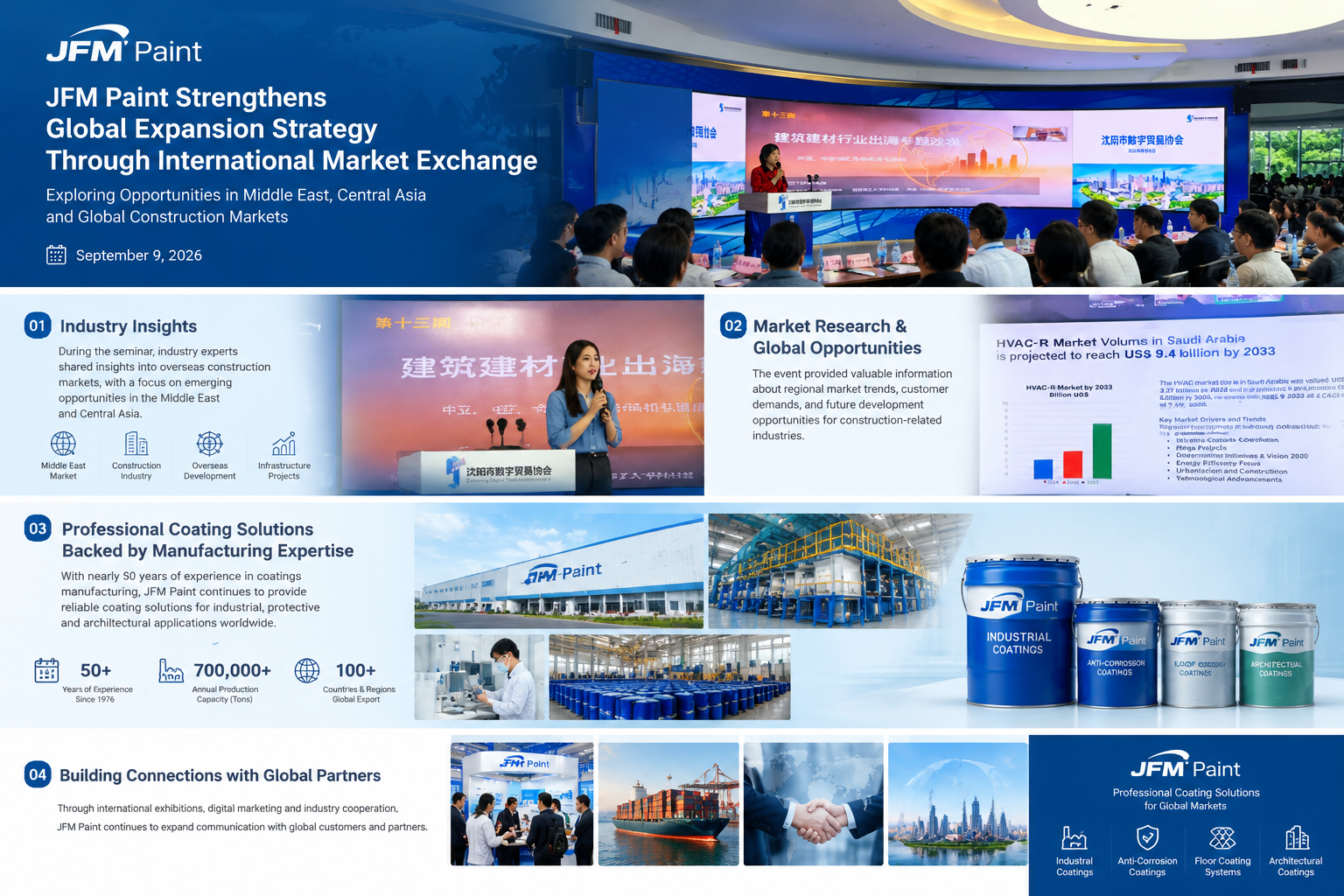
 JFM Paint Strengthens Global Expansion Strategy Through International Market ExchangeSep 10, 2026
 JFM Paint Strengthens Global Presence Through Successful Participation in KOREA BUILD WEEK 2026Aug 27, 2026
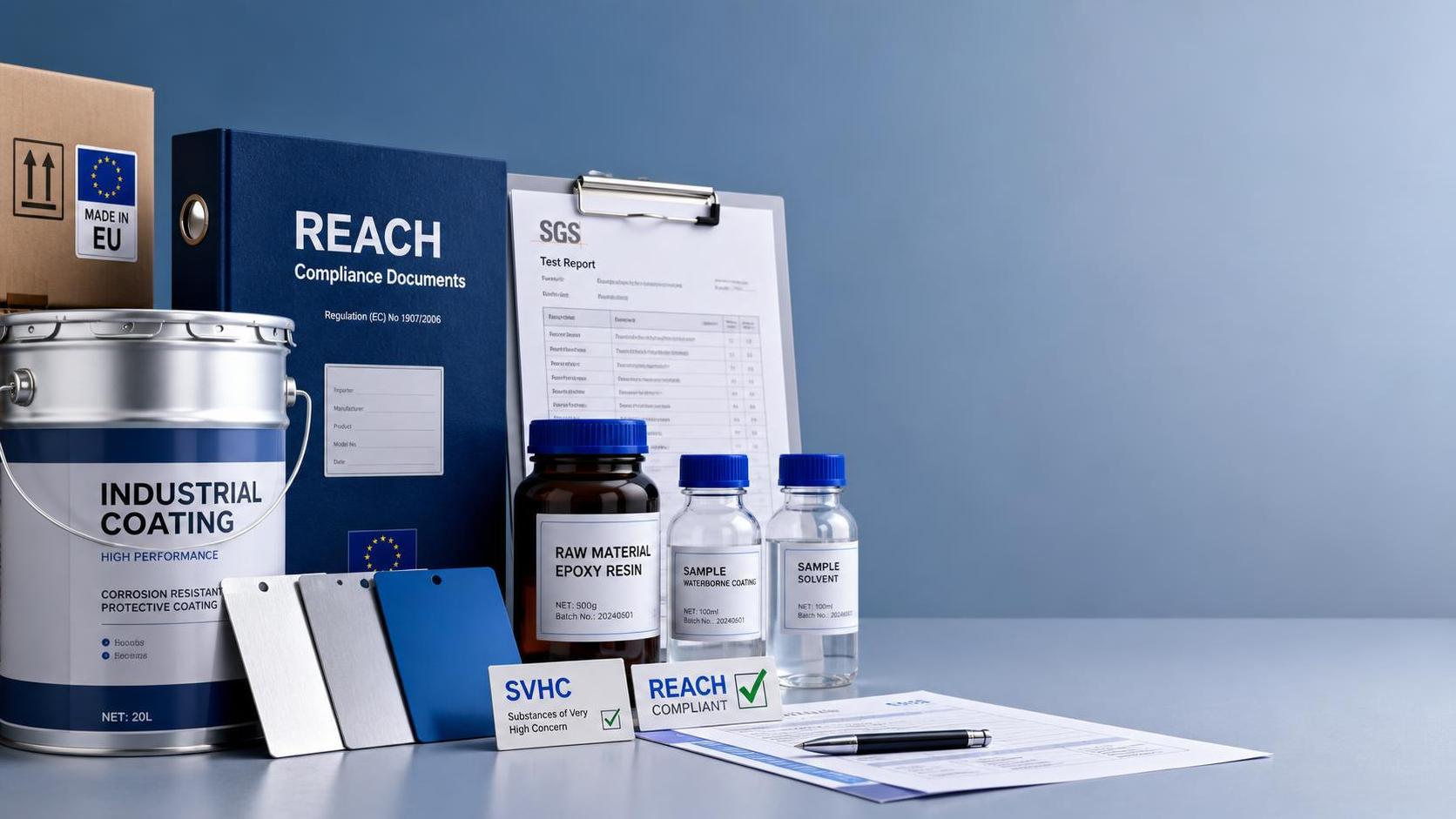
 EU REACH Adds 12 New SVHCs, Forcing Industrial Coating Export Declarations UpdateAug 16, 2026
- Vietnam Rule: Industrial Coating Imports Need SVHC Declaration from China Starting Oct. 1Aug 15, 2026
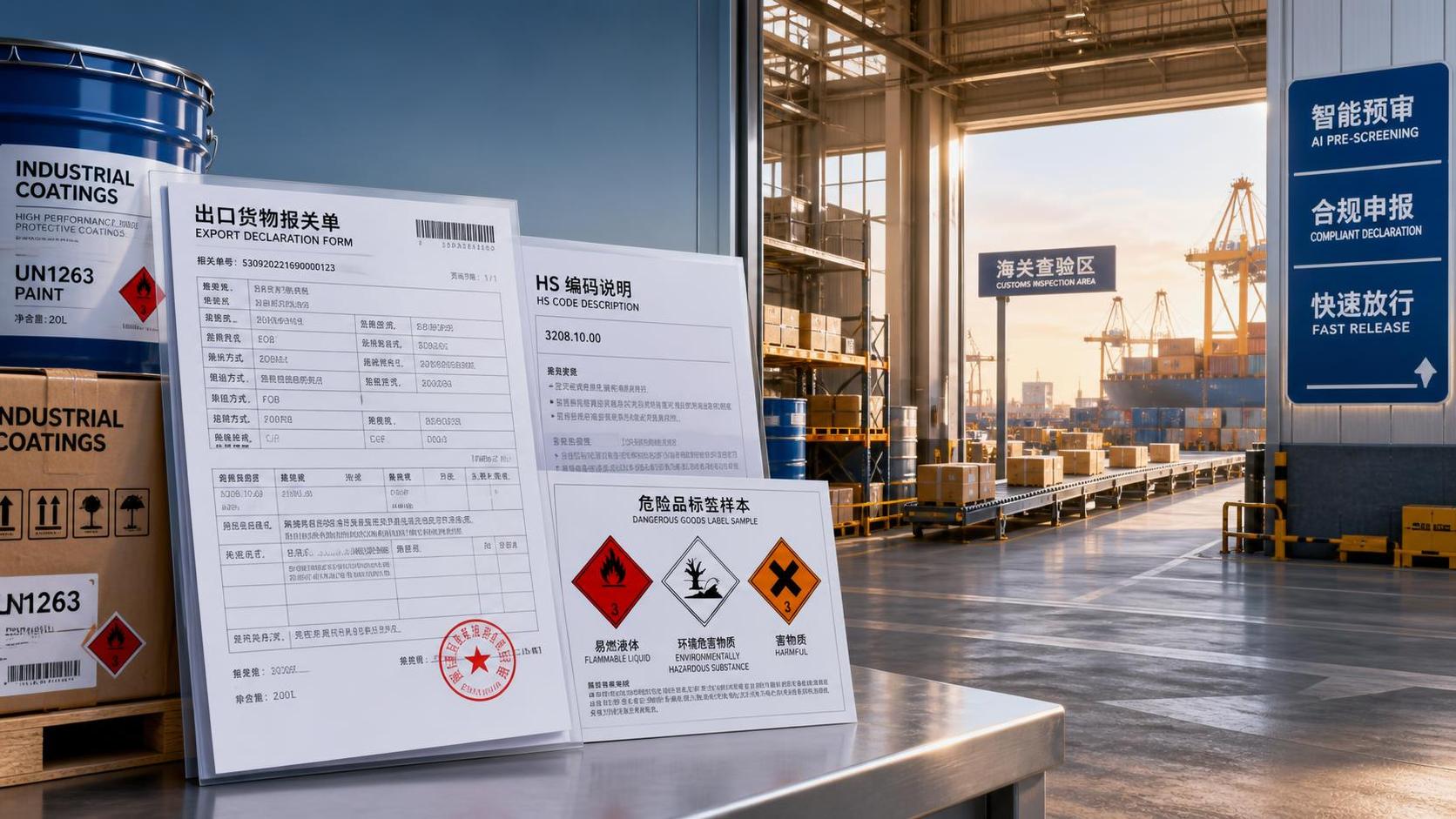
- China Customs Launches Paint Export PrecheckAug 14, 2026
- Nippon Paint Reacquires European Auto Coatings UnitAug 12, 2026



Leave A Reply

On June 4, 2026, South Korea’s Ministry of Environment released a key amendment to the K-REACH enforcement decree that directly affects coating additives used in products exported to the Korean market. For companies involved in coatings, raw material supply, export trade, and cross-border delivery, the immediate concern is no longer only product formulation, but whether dispersants, leveling agents, defoamers, and similar additives meet the new registration requirement in time to avoid customs disruption.
A compliance deadline now tied to customs clearance
According to the information provided, the amendment was issued on June 4, 2026. It requires additives used in coating formulations exported to South Korea to complete new chemical substance registration by December 4, 2026, if annual import volume is at or above 1 ton.
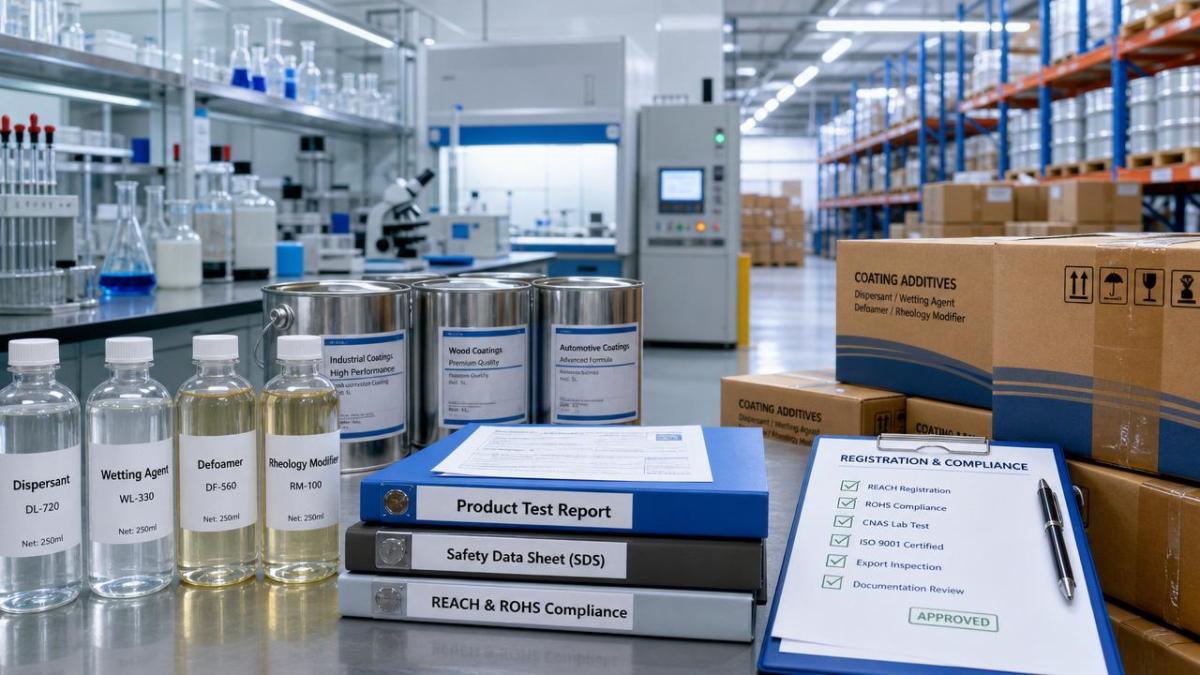
The affected additive categories specifically include dispersants, leveling agents, defoamers, and similar formulation aids used in coatings.
The provided summary also states that if an additive is not registered, the entire coating shipment will be unable to clear customs. It further notes that this development has already led several Korean-funded coating companies to suspend purchases of raw materials from China.
Where the rule change can disrupt business flow
Pressure shifts upstream to additive sourcing
For raw material buyers and suppliers, the main impact is that additive selection is no longer only a technical or cost issue. From an industry perspective, any additive shipped into coating formulations for South Korea may now need to be reviewed against the registration threshold and deadline, which can affect supplier screening, sourcing continuity, and purchase timing.
Coating exporters face shipment-level exposure
For coating manufacturers and export traders, the risk sits at the shipment level because the summary indicates that an unregistered additive can block customs clearance for the whole batch. Analysis shows that this makes formulation transparency, material traceability, and pre-shipment compliance review more important in Korean-bound business.
Procurement and delivery schedules may tighten
For procurement teams and supply chain service providers, the practical issue is not only whether a product can be sold, but whether it can move on schedule. Observably, when buyers pause sourcing over compliance uncertainty, the effect can extend into order confirmation, lead-time planning, inventory allocation, and delivery commitments.
What companies should watch over the next six months
Review additive lists against Korean-bound formulations
What deserves closer attention is whether dispersants, leveling agents, defoamers, and related additives in export formulations fall within the stated threshold of annual import volume at or above 1 ton. Companies may need to identify which materials in Korean-bound products require immediate compliance checking.
Check documentation readiness before shipment decisions
Analysis shows that document control may become a practical checkpoint in trade execution. Businesses should pay close attention to the consistency of formulation records, supplier declarations, technical files, and other compliance-related materials used to support customs and customer review, while noting that the provided information does not specify a full documentation list.
Monitor customer procurement changes and delivery risk
The provided summary already points to suspended purchases by several Korean-funded coating companies. From an industry perspective, exporters and suppliers should closely watch whether customers adjust qualification requirements, delivery conditions, or purchasing schedules as the December 4, 2026 deadline approaches.
Follow further official wording and market interpretation
Because the input does not provide detailed enforcement procedures or interpretive guidance, it is more appropriate to understand the current development as a confirmed rule change with execution details still worth watching. Companies should therefore track subsequent official wording, practical customs expectations, and any changes in customer-side compliance requests.
Why this looks like an execution signal, not just a policy notice
Observably, this update matters because the rule change is linked directly to market access and customs clearance rather than remaining a purely formal regulatory adjustment. Analysis shows that the immediate reaction in purchasing behavior described in the summary suggests that the market is already treating the amendment as an operational compliance issue, especially for cross-border coating supply chains tied to South Korea.
At the same time, it would be premature to treat every downstream impact as settled. The input confirms the registration deadline and the customs consequence of non-registration, but it does not provide fuller detail on implementation practice, documentation interpretation, or how buyers may standardize their supplier requirements.
How this development is best understood now
At this stage, the development is best understood as a landed compliance change with direct trade and delivery implications for coatings exported to South Korea. The clearest message for the industry is that additive registration status can now affect whether a full shipment moves at all.
From an industry perspective, this is less a broad market forecast than a near-term compliance checkpoint. Companies connected to Korean-bound coatings should therefore read it as a rule already requiring action, while still maintaining close observation of how enforcement language, customer procurement behavior, and supporting documentation expectations evolve.
Basis of this article and what still needs verification
This article is generated based on the user-provided news title, event date, and event summary. For developments of this kind, commonly relevant source types include official regulatory announcements, releases from competent authorities, customs or trade administration information, industry association updates, standards-related documents, and reporting by authoritative media.
No specific official source link was provided in the input, so the exact official publication path still needs to be verified on an ongoing basis. Further observation should focus on follow-up rule details, enforcement interpretation, procurement document changes, market feedback, and how affected companies implement compliance before the stated deadline.