
Categories List
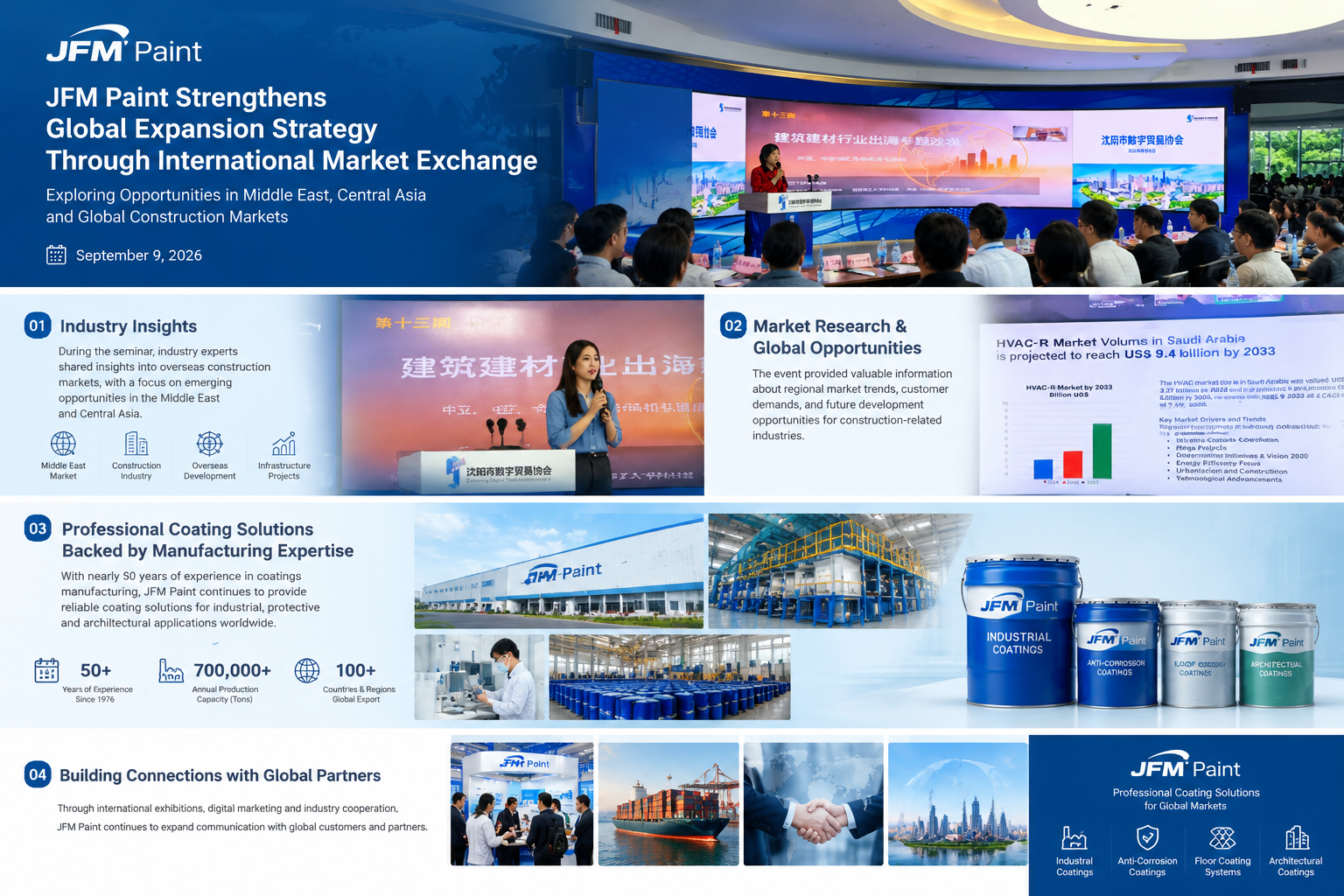
 JFM Paint Strengthens Global Expansion Strategy Through International Market ExchangeSep 10, 2026
 JFM Paint Strengthens Global Presence Through Successful Participation in KOREA BUILD WEEK 2026Aug 27, 2026
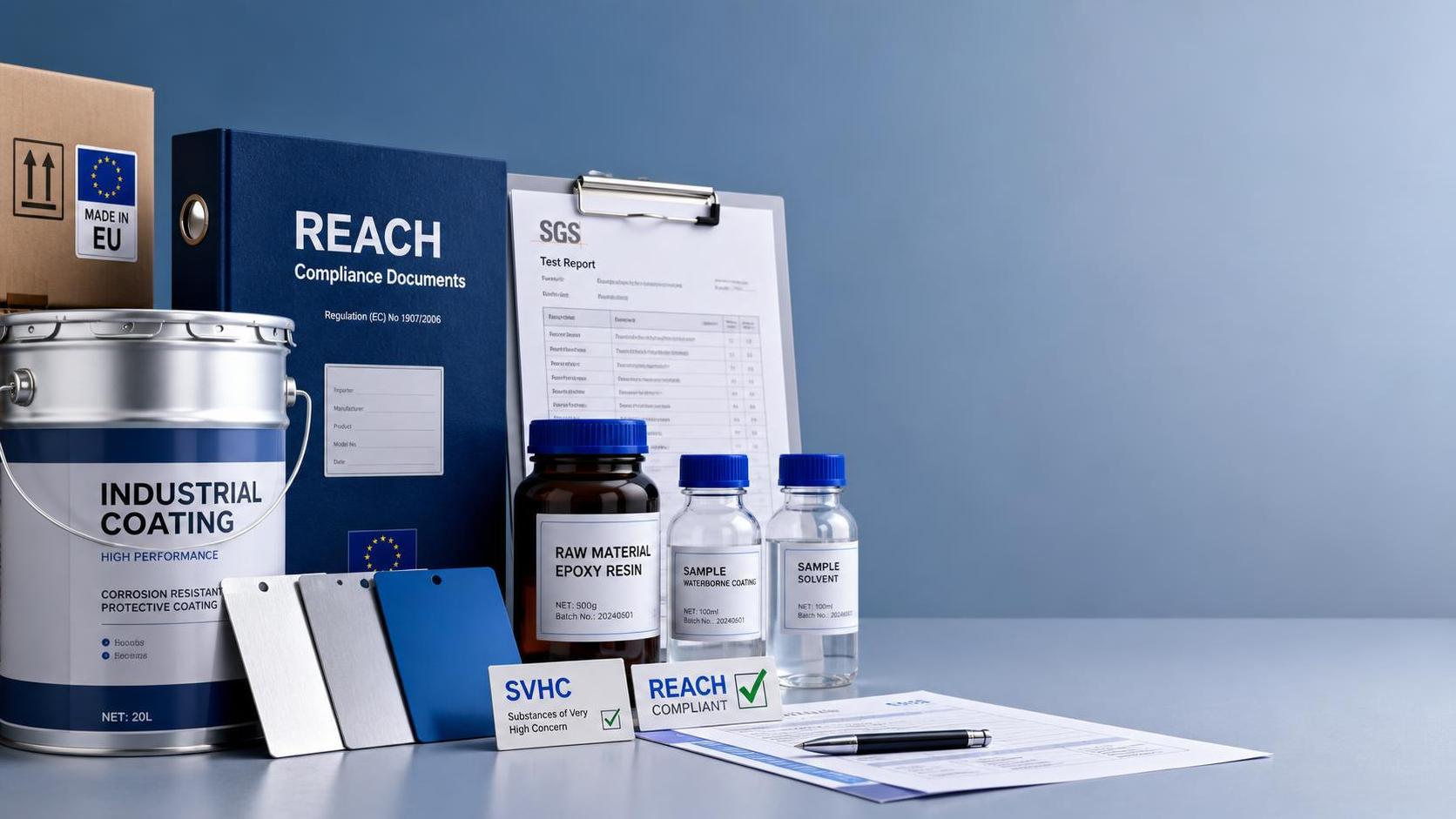
 EU REACH Adds 12 New SVHCs, Forcing Industrial Coating Export Declarations UpdateAug 16, 2026
- Vietnam Rule: Industrial Coating Imports Need SVHC Declaration from China Starting Oct. 1Aug 15, 2026
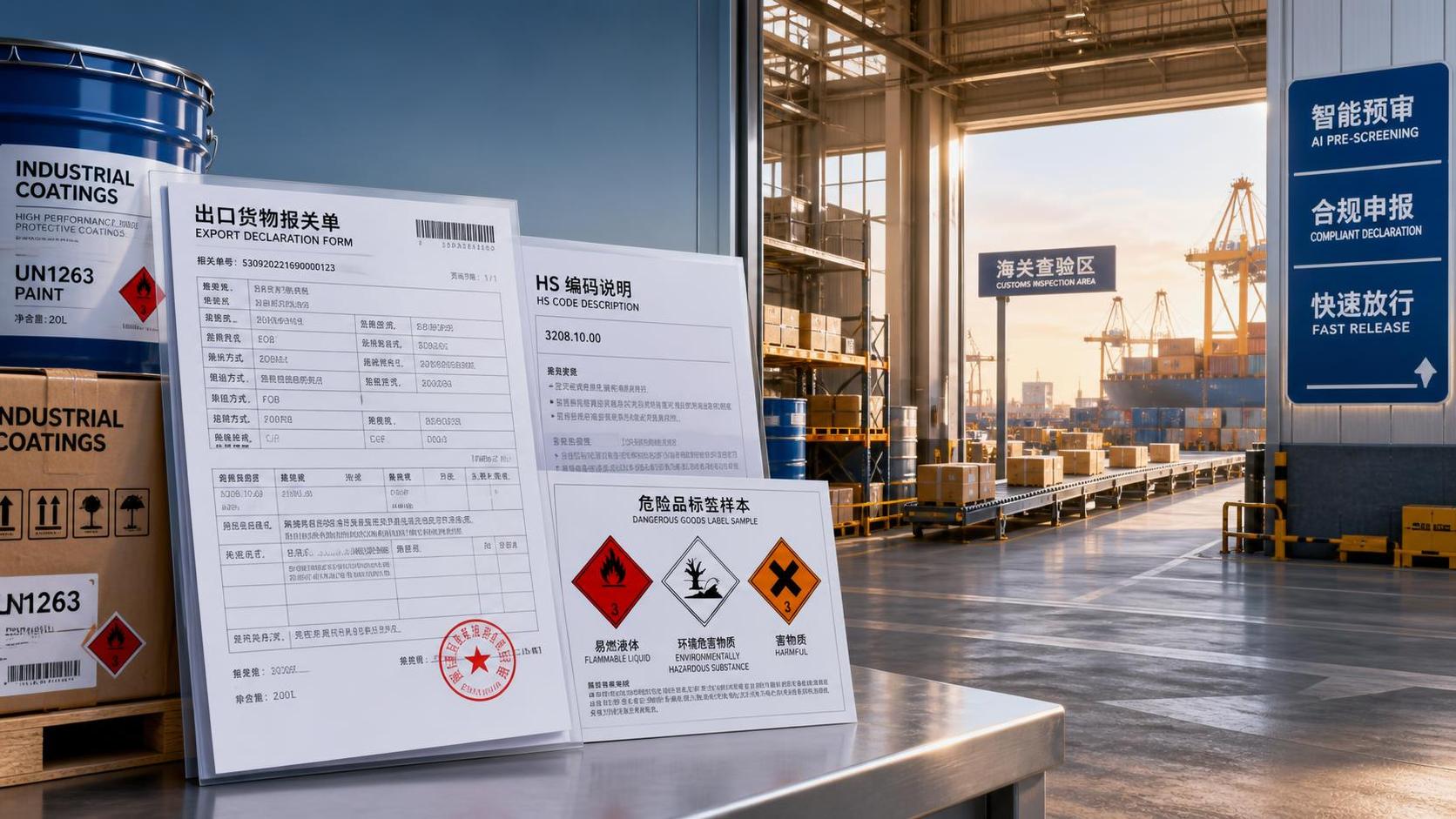
- China Customs Launches Paint Export PrecheckAug 14, 2026
- Nippon Paint Reacquires European Auto Coatings UnitAug 12, 2026



Leave A Reply
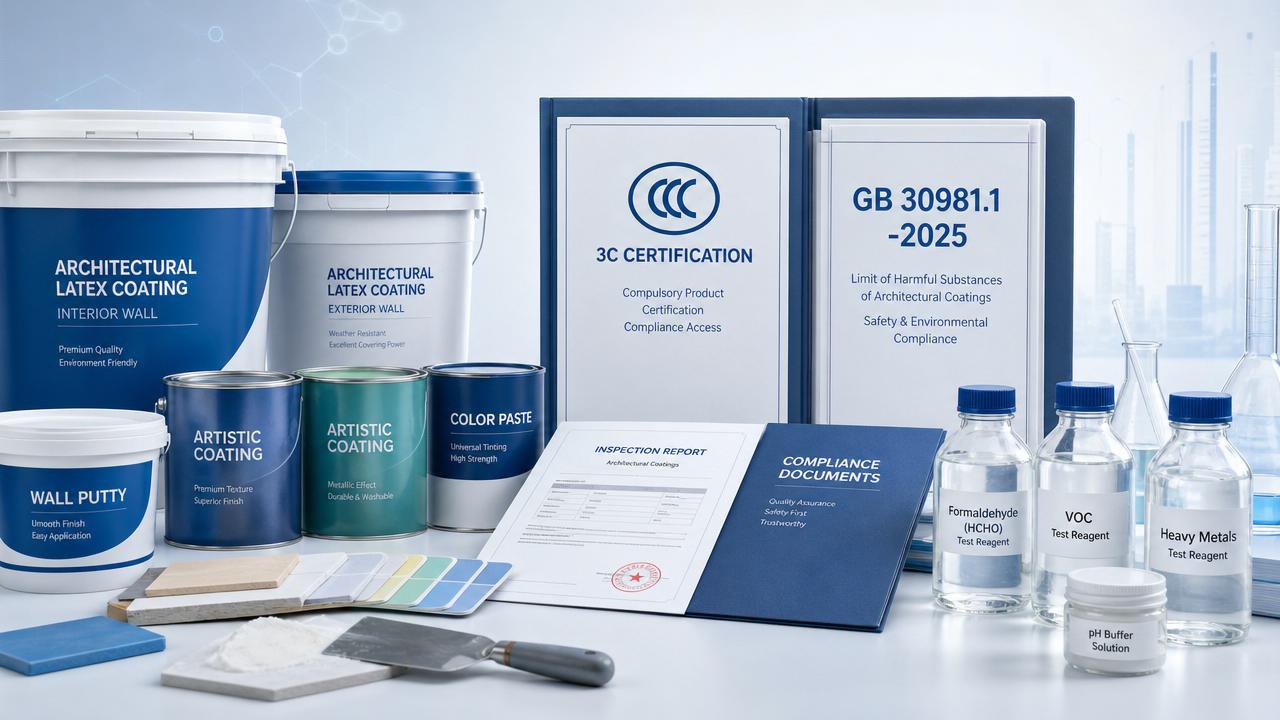
As of 2026-06-01, the mandatory Chinese standard GB 30981.1-2025 has taken effect for imported building coatings, turning market access into a dual-compliance issue tied to both 3C certification and full-item testing under the new standard. The change covers products including emulsion paint, artistic paint, putty, and color paste, and it matters not only to importers but also to distributors, procurement teams, testing-related service providers, and delivery planning across the supply chain because products that do not meet the new requirements cannot enter the market for import or sale.

What the new entry requirement now includes
Confirmed information shows that GB 30981.1-2025 formally came into force on 2026-06-01. For imported building coatings, compliance now requires both 3C mandatory certification and full-item testing under the new national standard.
The products covered include emulsion paint, artistic paint, putty, and color paste. The testing side includes a formaldehyde limit of no more than 50 mg/kg, tighter VOC control, and upgraded heavy metal limits.
The stated consequence is direct: products that do not meet these requirements are prohibited from customs entry and from sale. At the same time, products marketed as imported through overseas labeling, domestic repackaging, or reduced specifications for the China market are being cleared out.
Where the pressure is likely to show first
Import transactions now depend on documentation consistency
Direct trading companies are likely to feel the impact first because the rule change affects whether imported building coatings can legally enter and be sold. From an industry perspective, what deserves closer attention is the alignment between product identity, certification status, and testing documentation, since any mismatch may affect customs handling, downstream sales readiness, or procurement acceptance.
Distributors and project buyers face tighter product screening
Channel operators and procurement teams may be affected because product selection can no longer rely only on imported branding or commercial presentation. Analysis shows that purchasing decisions for the covered product categories now need closer review of whether 3C certification and full-item test results are available and current, especially where delivery timing and product substitution are sensitive.
Testing and certification work becomes more central to delivery planning
Certification-related firms and testing service providers are also likely to see a more central role in market access workflows. The practical impact is not limited to compliance filing; it may also shape quotation timelines, release schedules, and acceptance documents used in trade, procurement, and supply arrangements.
After-sales and traceability may receive more scrutiny
Where products are already positioned as imported, after-sales teams and quality traceability functions may need to pay closer attention to product description, batch records, and supporting compliance materials. Observably, the removal of products presented as imported but supported by weaker localization practices raises the importance of consistent product claims across sales and service stages.
What companies should review now
Check whether covered products meet both gates
Companies dealing in the affected coating categories should first verify whether each product is supported by both 3C certification and full-item testing under GB 30981.1-2025. This is especially relevant where the same commercial line includes different formulations, packaging arrangements, or market versions.
Revisit technical files and trade paperwork
What deserves closer attention is whether testing reports, product specifications, certification materials, and trade documents describe the same product consistently. If supporting files are fragmented or outdated, the compliance risk may appear not only at import but also during procurement review, delivery acceptance, or later quality verification.
Watch lead times in sourcing and delivery commitments
Analysis shows that sourcing plans and delivery schedules may need a more cautious review where imported building coatings are involved. If a project or sales commitment depends on products that have not clearly passed both compliance requirements, the risk may shift into delayed supply, replacement sourcing, or contract-level clarification.
Pay attention to tender language and downstream acceptance terms
For companies serving project buyers or organized procurement, it is worth monitoring whether tender documents, purchase specifications, or acceptance clauses begin to reflect the dual requirement more explicitly. The input does not provide detailed enforcement language, so this remains a point to watch rather than a confirmed uniform outcome.
Why this reads as an execution signal
Observably, this development is more than a technical standard update in isolation. It is more appropriate to understand it as a market-access rule that links certification, testing, import clearance, and sales legitimacy in one chain.
Analysis shows that the clearing out of products described as imported but supported by overseas labeling, domestic repackaging, or reduced China-specific configurations sends a clearer execution signal than a purely symbolic standards adjustment would. At the same time, the input does not provide fuller detail on implementation practice, so market participants still need to watch how compliance wording, review standards, and downstream purchasing documents evolve in actual use.
How the market is best reading this change
The immediate significance of this event lies in the fact that imported building coatings covered by the rule now face a defined dual threshold before they can enter and be sold. From an industry perspective, the key issue is less about headline interpretation and more about whether certification records, testing results, product positioning, and delivery commitments can remain aligned under the new requirement.
It is therefore more appropriate to understand this update as a landed compliance change with clear entry and sales consequences, while still treating detailed enforcement practice, downstream document updates, and market feedback as areas that require continued observation.
Basis of this article and what still needs verification
This article is generated based on the user-provided news title, event date, and event summary. For developments of this type, commonly relevant source categories may include official notices, regulator releases, customs or trade authority information, industry association updates, standard-setting documents, and reporting by authoritative media.
A specific official source link was not provided in the input, so that point still requires follow-up verification. It also remains necessary to keep watching later details such as implementation guidance, certification interpretation, changes in tender documents, market feedback, and how companies are executing compliance in practice.