
Categories List
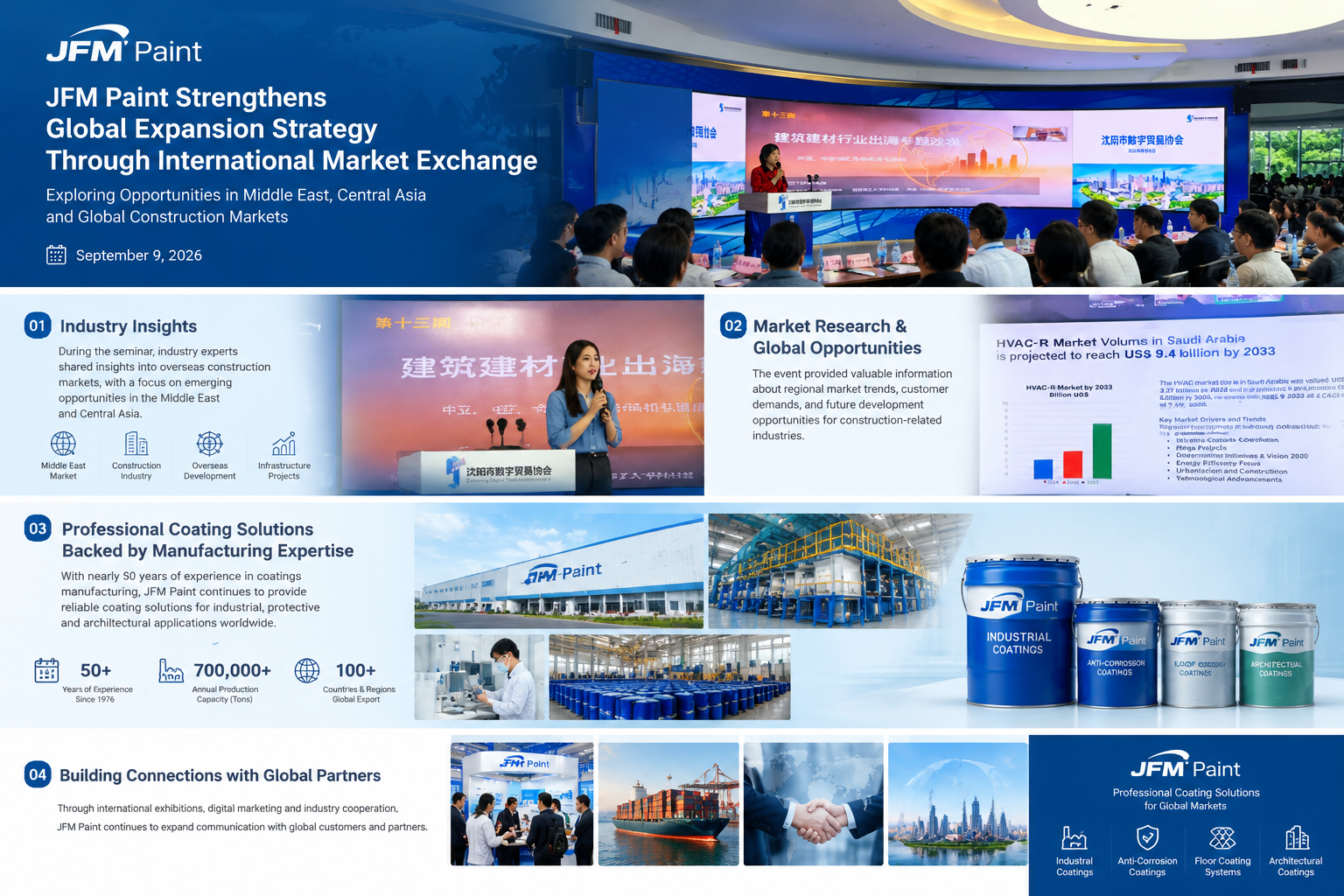
 JFM Paint Strengthens Global Expansion Strategy Through International Market ExchangeSep 10, 2026
 JFM Paint Strengthens Global Presence Through Successful Participation in KOREA BUILD WEEK 2026Aug 27, 2026
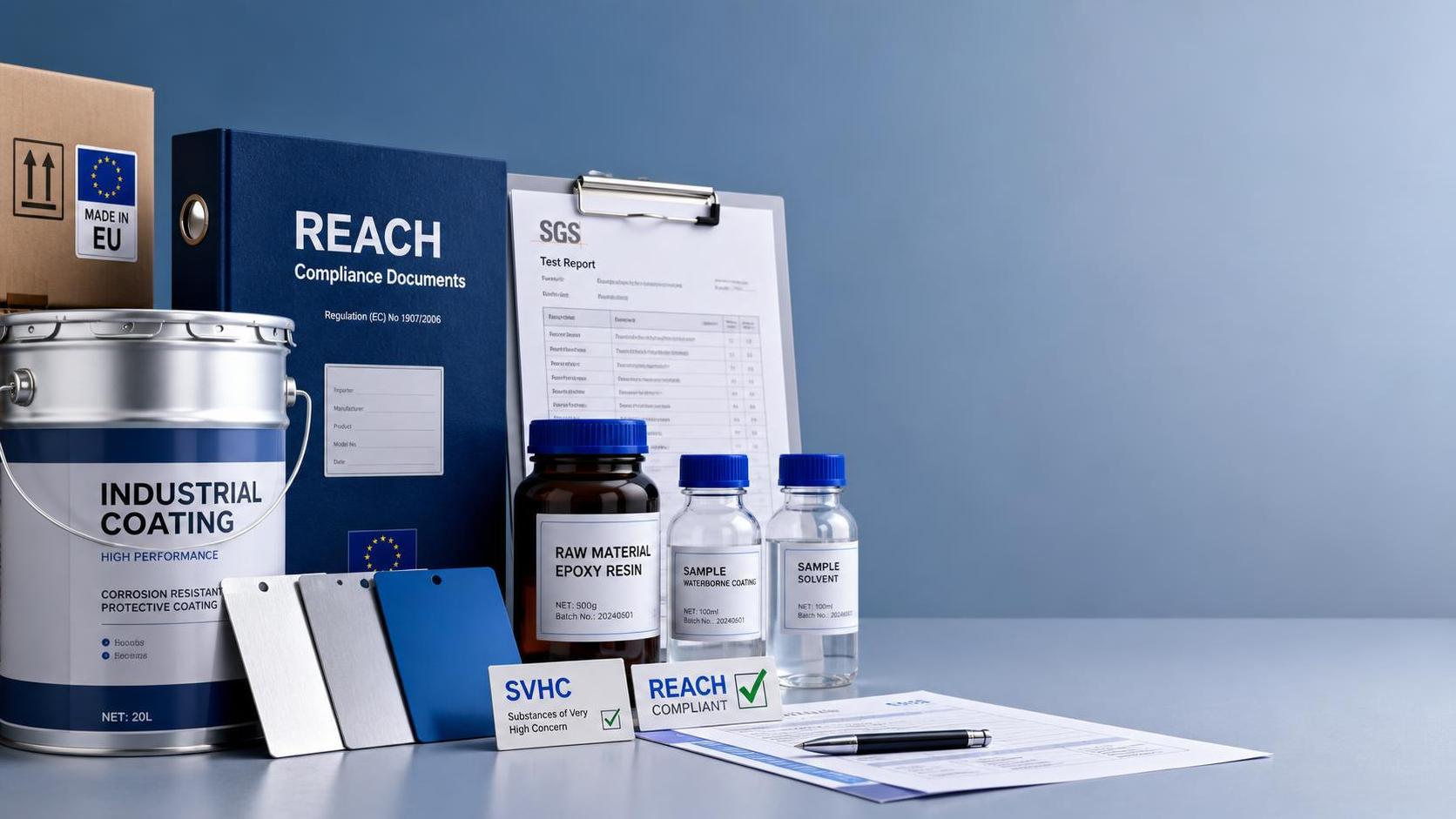
 EU REACH Adds 12 New SVHCs, Forcing Industrial Coating Export Declarations UpdateAug 16, 2026
- Vietnam Rule: Industrial Coating Imports Need SVHC Declaration from China Starting Oct. 1Aug 15, 2026
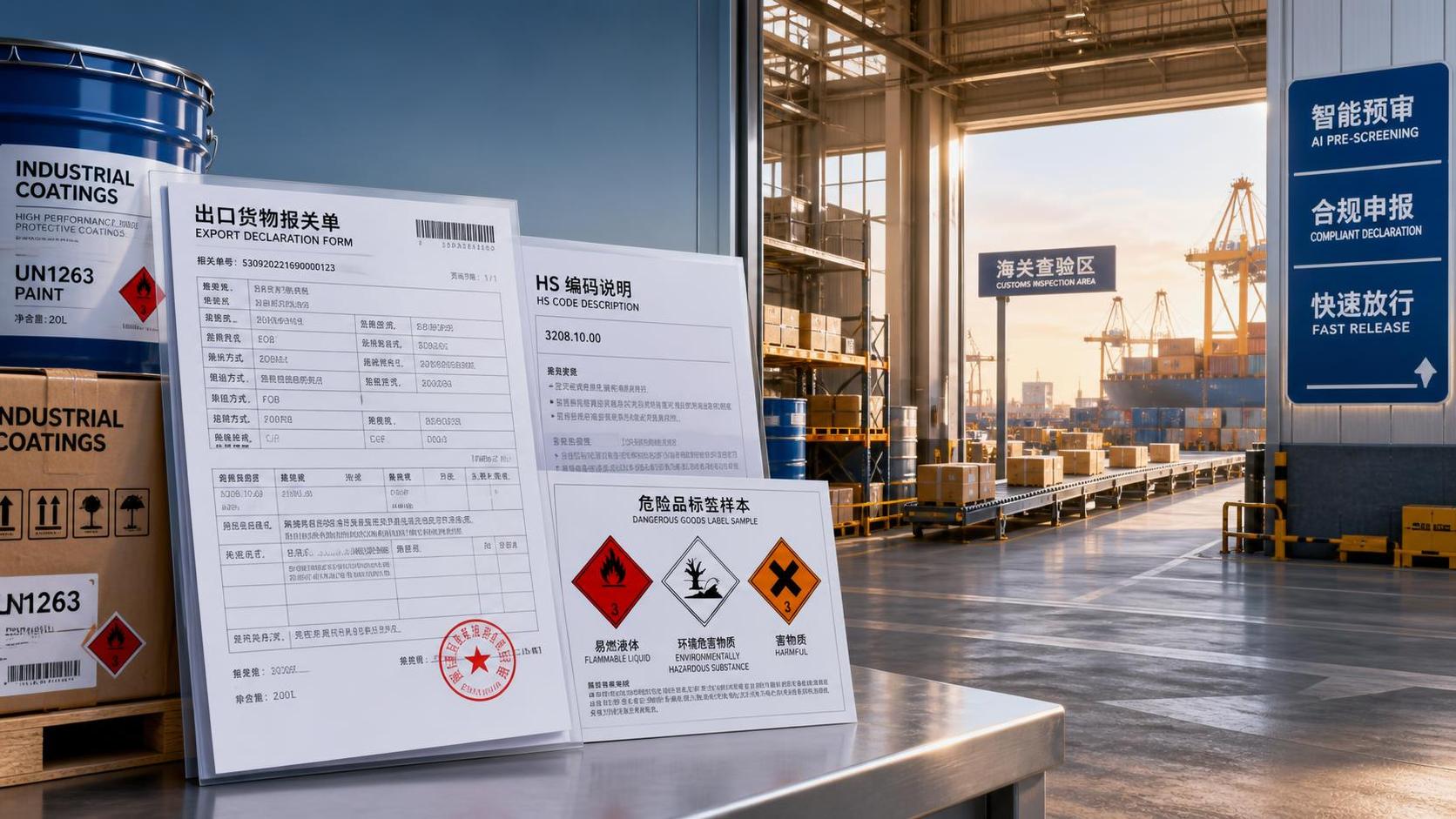
- China Customs Launches Paint Export PrecheckAug 14, 2026
- Nippon Paint Reacquires European Auto Coatings UnitAug 12, 2026



Leave A Reply
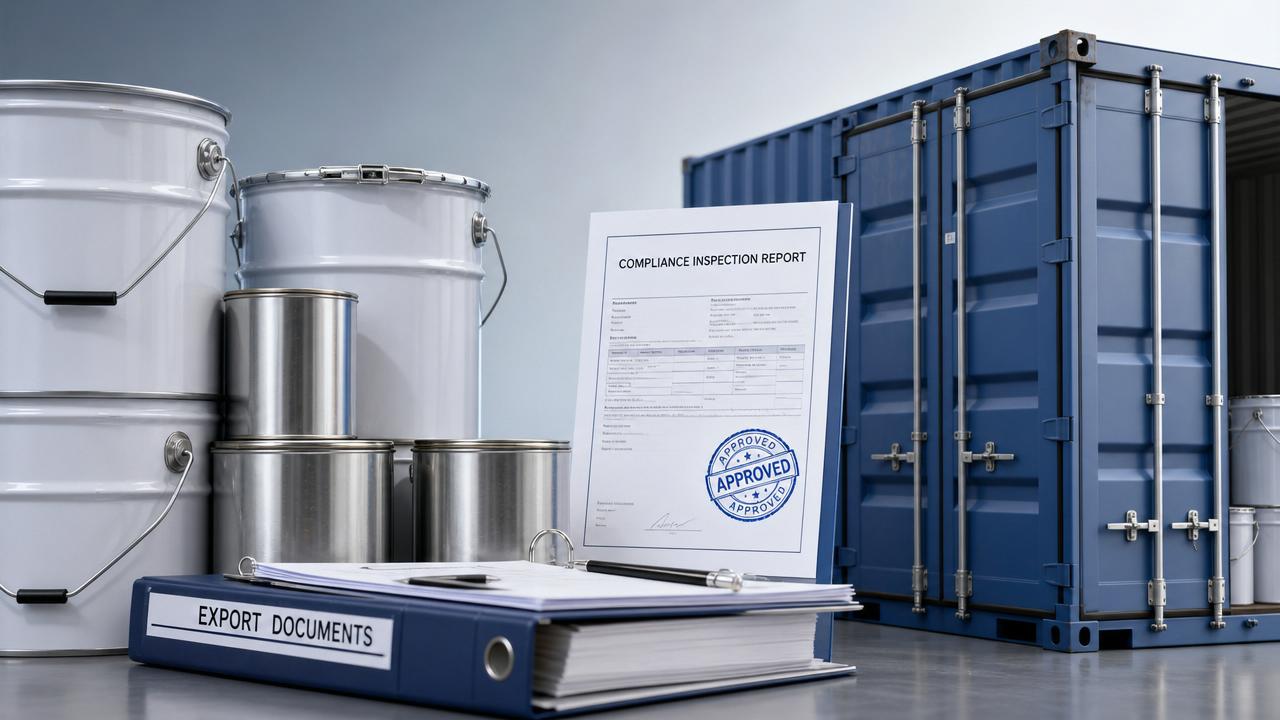
Effective June 1, 2026, Pakistan’s updated import rules bring a new compliance requirement for paint imports: shipments must be accompanied by an independent due diligence report confirming the absence of forced labor, issued by an institution recognized by the ILO. This development matters not only to paint exporters and importers, but also to distributors, customs-facing teams, and supply chain service providers, because missing or invalid documentation can now lead directly to cargo detention and compliance review at the border.
What the revised import rule confirms
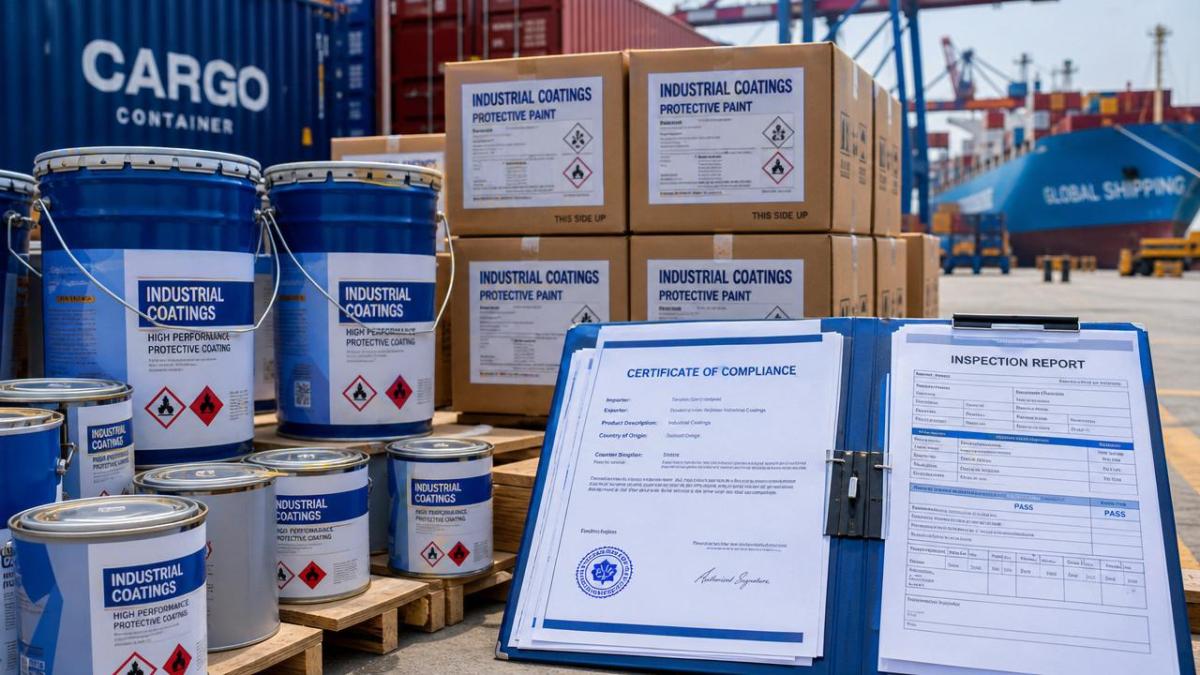
Pakistan’s Ministry of Commerce revised the Import Policy Order on April 28, 2026. Under the revised rule, all imported paint products must be accompanied, from June 1 onward, by a due diligence report stating that no forced labor is involved. The report must be issued by an institution recognized by the International Labour Organization (ILO). According to the provided information, shipments without valid proof will be detained by customs and moved into a compliance review process. The requirement has already affected customs clearance progress for multiple distributors in the China-Pakistan paint trade chain.
Where the immediate pressure is likely to appear
Export and import transactions face a documentation threshold
From an industry perspective, direct trading companies are likely to feel the first impact because the new rule attaches compliance documentation to the basic ability to clear goods. The main pressure point is no longer only product movement, but whether the shipment file includes a report that customs will accept as valid under the new requirement.
Distributors and channel operators may see delivery disruption
Observably, distributors are already among the affected parties, as the provided information notes customs clearance delays in the China-Pakistan paint trade chain. For channel businesses, the impact is likely to show up in inventory timing, delivery scheduling, and customer communication, especially when goods are physically in transit but not yet released.
Customs brokers and logistics coordinators must manage higher review risk
Supply chain service providers may also face added operational pressure. Analysis shows that when a rule links missing paperwork to detention and compliance review, customs-facing service teams must pay closer attention to document completeness, submission timing, and whether the proof matches the product scope being imported.
Downstream buyers may need more visibility into shipment readiness
For procurement-side and end-use business participants, the issue is less about policy interpretation and more about supply continuity. What deserves closer attention is whether imported paint orders can move through customs on schedule, since the new requirement may affect receipt timing even when the commercial order itself has already been confirmed.
What companies should watch now
Check whether the supporting report is acceptable before shipment
The practical focus is not only having a statement on file, but having a due diligence report issued by an institution recognized by the ILO, as required in the provided summary. Companies involved in export, import, or customs preparation should closely review whether their existing paperwork meets that threshold before goods reach the border.
Separate policy wording from on-the-ground clearance execution
Analysis shows that a rule can be clear in principle while still creating uncertainty in execution during the early implementation period. Businesses should therefore pay attention to how the requirement is applied in real customs clearance cases, particularly in situations involving document review, detention, or requests for supplementary materials.
Reassess lead times and delivery commitments
Because non-compliant shipments may be detained and reviewed, the most immediate operational issue is cycle time. Companies should examine whether current shipping plans, promised delivery dates, and internal approval timelines still match the new compliance reality from June 1 onward.
Strengthen coordination across suppliers, importers, and distributors
What deserves closer attention is cross-party coordination. Where a shipment involves multiple commercial and logistics participants, delays may stem not only from missing proof, but from inconsistent understanding of who is responsible for obtaining, checking, and submitting the required report.
Why this looks like more than a short-term customs issue
As an editorial observation, this update is better understood as a compliance signal rather than a simple paperwork adjustment. The confirmed fact is narrow and specific: imported paint products now need a forced-labor-free due diligence report from an ILO-recognized institution. But the broader industry reading is that labor-related supply chain documentation is becoming a gatekeeping condition for market entry in this trade flow. At the same time, it is still too early, based on the provided information alone, to treat the current impact as a fully settled long-term market outcome.
How this development is best understood at present
At this stage, it is more appropriate to understand the rule as an immediate compliance change with wider operational implications. The direct consequence is already visible in customs clearance delays for some distributors, while the longer-term significance will depend on how consistently the requirement is enforced and how quickly market participants adapt their documentation processes. For the paint trade, this is neither a routine update nor a basis for exaggerated conclusions; it is a rule change that now deserves close execution-level attention.
Basis of this article and points for continued verification
This article is generated based on the user-provided news title, event date, and event summary. Information of this kind is typically cross-checked against official notices, company statements, industry association updates, authoritative media reporting, and standard-setting or institutional documents. No specific official source link was provided in the input, so the exact official link remains to be verified on an ongoing basis. Continued attention should focus on any further official clarification, changes in implementation wording, and additional signals from real customs clearance practice affecting imported paint products.