
Categories List
 JFM Paint Strengthens Global Expansion Strategy Through International Market ExchangeSep 10, 2026
 JFM Paint Strengthens Global Presence Through Successful Participation in KOREA BUILD WEEK 2026Aug 27, 2026
 EU REACH Adds 12 New SVHCs, Forcing Industrial Coating Export Declarations UpdateAug 16, 2026
- Vietnam Rule: Industrial Coating Imports Need SVHC Declaration from China Starting Oct. 1Aug 15, 2026
- China Customs Launches Paint Export PrecheckAug 14, 2026
- Nippon Paint Reacquires European Auto Coatings UnitAug 12, 2026





Leave A Reply
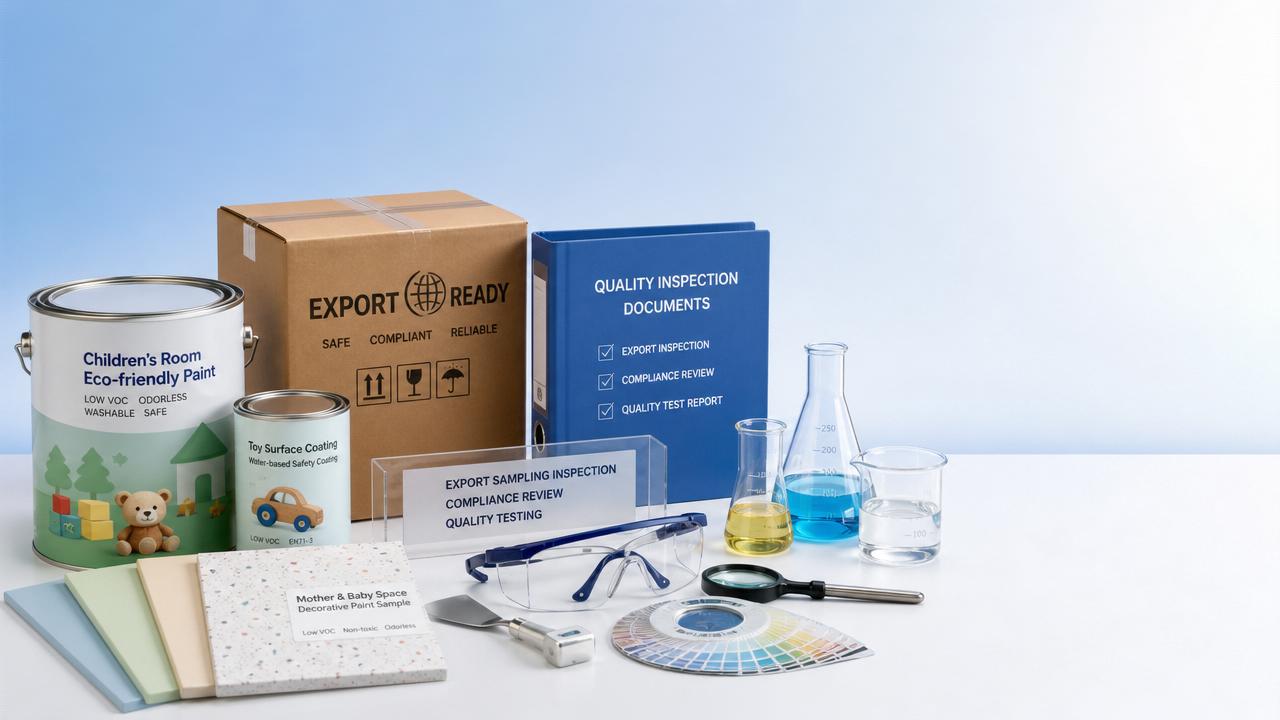
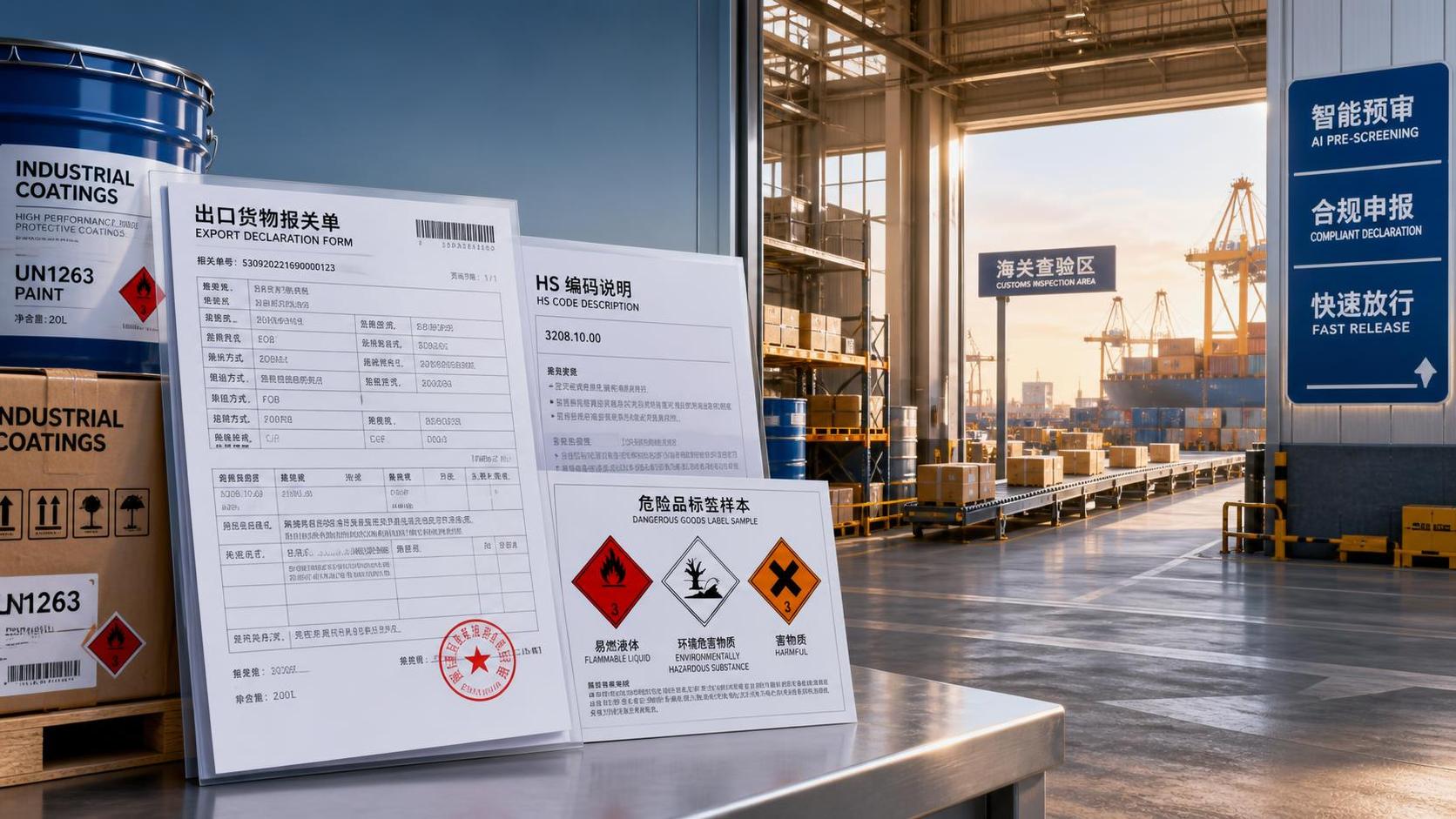
On June 1, 2026, China’s General Administration of Customs announced an annual spot-check program for exported coatings that are outside the scope of mandatory inspection, with closer scrutiny on child-sensitive categories such as paints for children’s rooms, toy coatings, and decorative coatings used in maternal and infant spaces. For exporters, manufacturers, suppliers, and cross-border compliance teams, this matters because the inspection ratio has been raised from previous years and failed checks may lead to suspended export qualifications and notifications to overseas regulators.
What the June 1 notice confirms
The notice states that annual spot-check inspections will apply to exported coatings not already subject to statutory inspection requirements. The focus will be on higher-sensitivity product groups, including coatings designed for children’s rooms, coatings used on toys, and art or decorative coatings intended for maternal and infant environments.
The spot checks will be conducted in accordance with the Measures for the Administration of Spot-Check Inspection of Import and Export Commodities. According to the announcement, the sampling ratio has been increased by 40% compared with previous years. The stated consequence for non-compliance is suspension of export qualifications and notification to overseas regulatory authorities.
Where the immediate pressure may appear
Export-facing coating suppliers
From an industry perspective, direct exporters are likely to feel the impact first because the policy is aimed at export inspection activity itself. The main pressure points are likely to be product classification, shipment readiness, and the ability to support export declarations and inspection requests with consistent documentation.
Manufacturers serving child-related applications
Producers of coatings for children’s rooms, toy surfaces, and maternal or infant spaces may face closer review because these categories are explicitly named in the notice. What deserves closer attention is whether production batches, product descriptions, and application claims are aligned with the goods being exported, since these details may affect how a shipment is viewed during spot checks.
Supply chain and delivery coordinators
Observably, logistics planners, customs service providers, and delivery teams may also need to adjust because a higher sampling ratio can create more inspection uncertainty in outbound schedules. The business impact may be less about policy interpretation and more about shipment timing, communication with buyers, and contingency planning if a batch is selected for inspection.
Overseas buyers and procurement teams
Buyers sourcing these coating products may not be the direct target of the measure, but they could still be affected by delays, qualification issues, or additional requests for compliance-related documents. For procurement teams, the practical concern is whether suppliers can maintain stable export execution under a tighter inspection environment.
What companies should watch now
Track how the official language is applied in practice
Analysis shows that the notice sets a clear enforcement direction, but companies still need to watch how inspection coverage is implemented in day-to-day export operations. The distinction between a policy signal and actual operational treatment at the shipment level is especially important for businesses handling multiple coating categories.
Review exposure in named high-sensitivity categories
Businesses should pay close attention to whether their export portfolio includes the product groups specifically referenced in the announcement. This is not only a product issue but also a labeling, specification, and customer-communication issue, especially where products are marketed for children, toys, or maternal and infant environments.
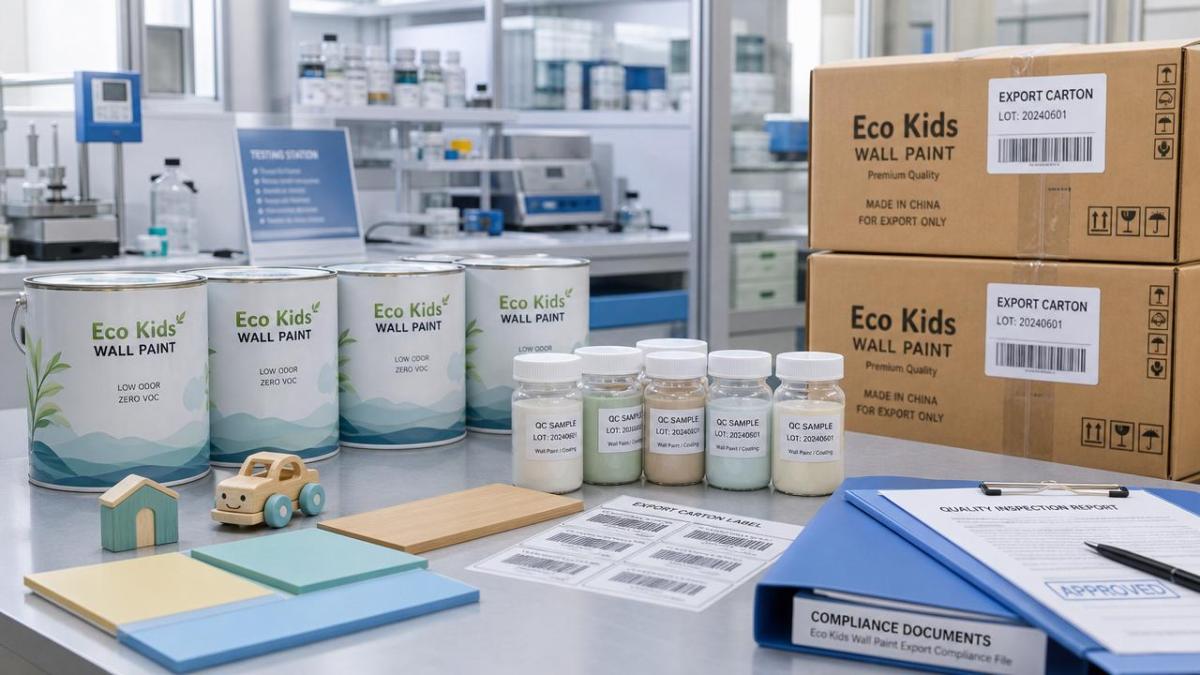
Prepare documentation and qualification files carefully
Because failed spot checks may lead to suspended export qualifications and overseas regulatory notification, document readiness becomes a practical priority. Companies should focus on whether internal files, product descriptions, and shipment records are complete and consistent enough to support inspection handling and customer communication.
Plan for delivery and communication risk
What deserves closer attention is the operational effect of a 40% increase in the sampling ratio. Even without assuming a specific delay outcome, exporters and service providers may need internal response plans for inspection selection, contract delivery coordination, and buyer updates if shipments encounter additional review.
Why this looks like more than a routine notice
As an editorial observation, this development is better understood as a stronger compliance signal rather than a completed market outcome. The announcement does not by itself confirm broader trade disruption, but it does indicate that export coatings tied to child-sensitive use scenarios are receiving more focused regulatory attention.
Analysis also suggests that the significance lies in where the measure is aimed: products outside mandatory inspection are still being brought into a more active spot-check framework. That makes this relevant not only for customs teams, but also for product management, sales compliance, and export operations.
How to read the signal at this stage
At this stage, it is more appropriate to understand the notice as a near-term compliance change with possible longer-term implications if tighter inspection practices continue or expand. The immediate fact is a higher annual spot-check ratio and stricter consequences for non-compliance. The broader industry meaning still requires continued observation, especially in how enforcement affects export rhythm, supplier screening, and customer confidence.
Basis of this article
This article is generated based on the user-provided news title, event date, and event summary. For this type of development, commonly relevant source categories may include official notices, company disclosures, industry association updates, authoritative media reporting, and standards-related documents. A specific official source link was not provided in the input, so further verification remains necessary. Continued attention should focus on any follow-up official wording, implementation details, and practical changes in export inspection handling for the named coating categories.