
Categories List
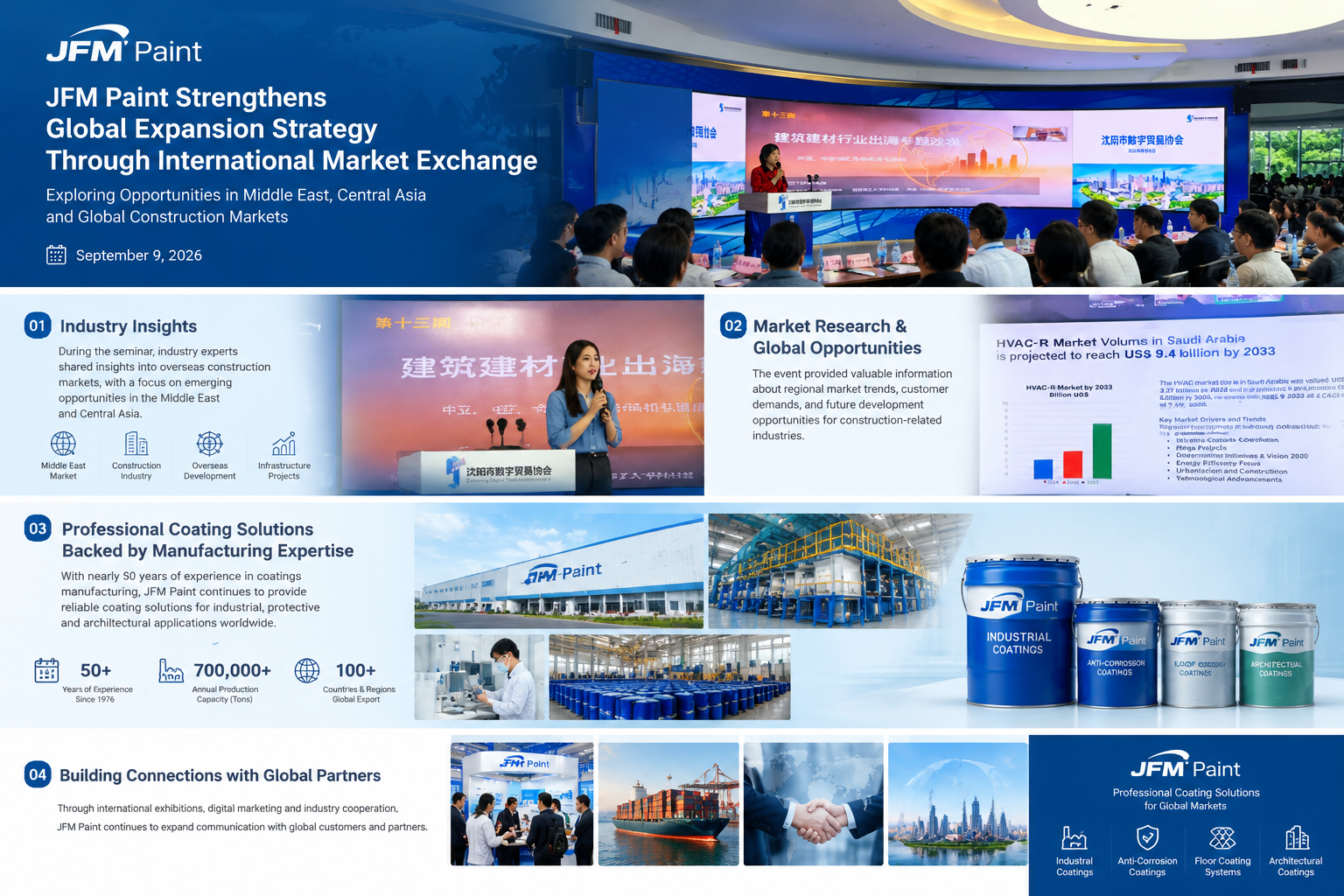
 JFM Paint Strengthens Global Expansion Strategy Through International Market ExchangeSep 10, 2026
 JFM Paint Strengthens Global Presence Through Successful Participation in KOREA BUILD WEEK 2026Aug 27, 2026
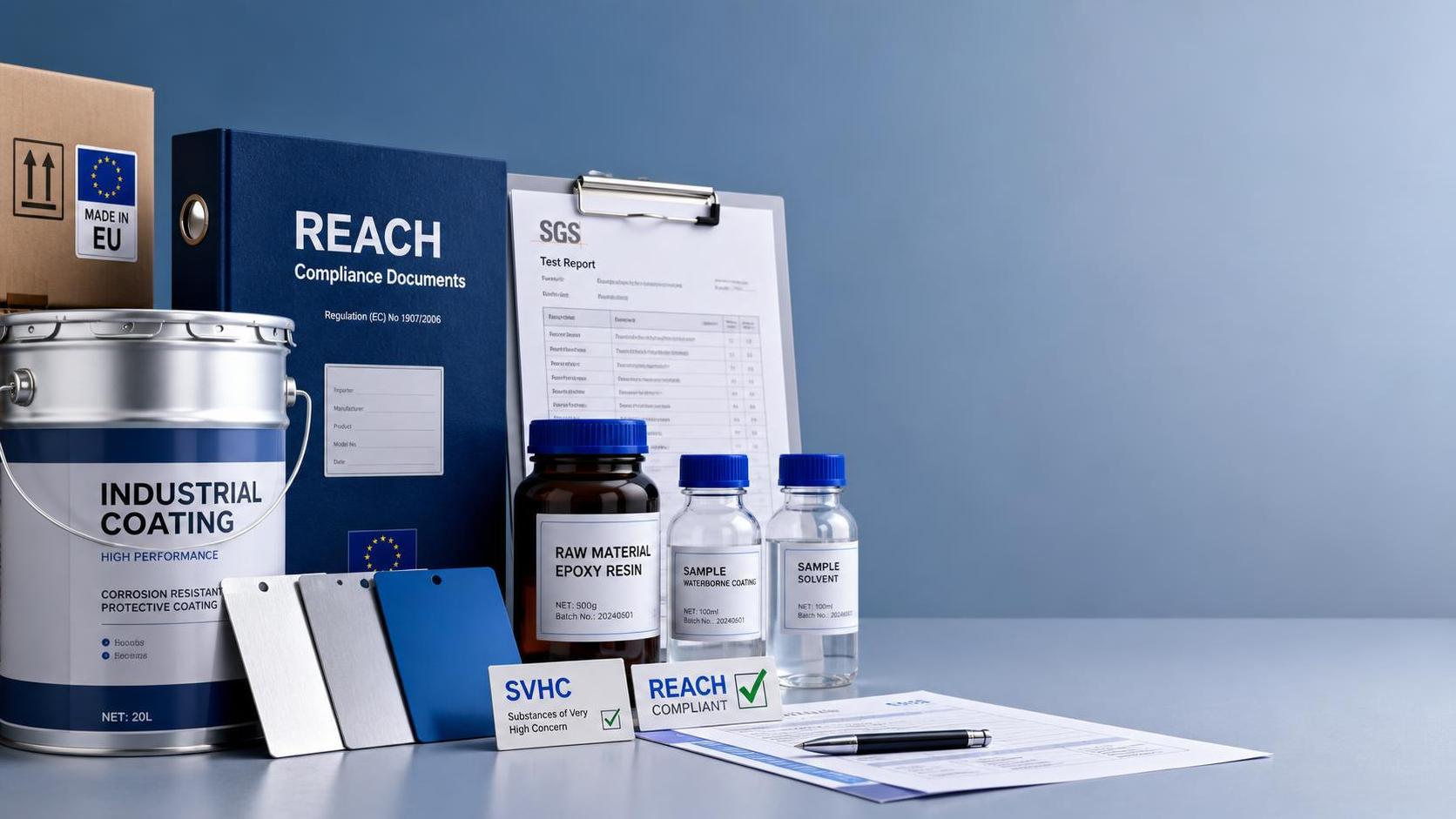
 EU REACH Adds 12 New SVHCs, Forcing Industrial Coating Export Declarations UpdateAug 16, 2026
- Vietnam Rule: Industrial Coating Imports Need SVHC Declaration from China Starting Oct. 1Aug 15, 2026
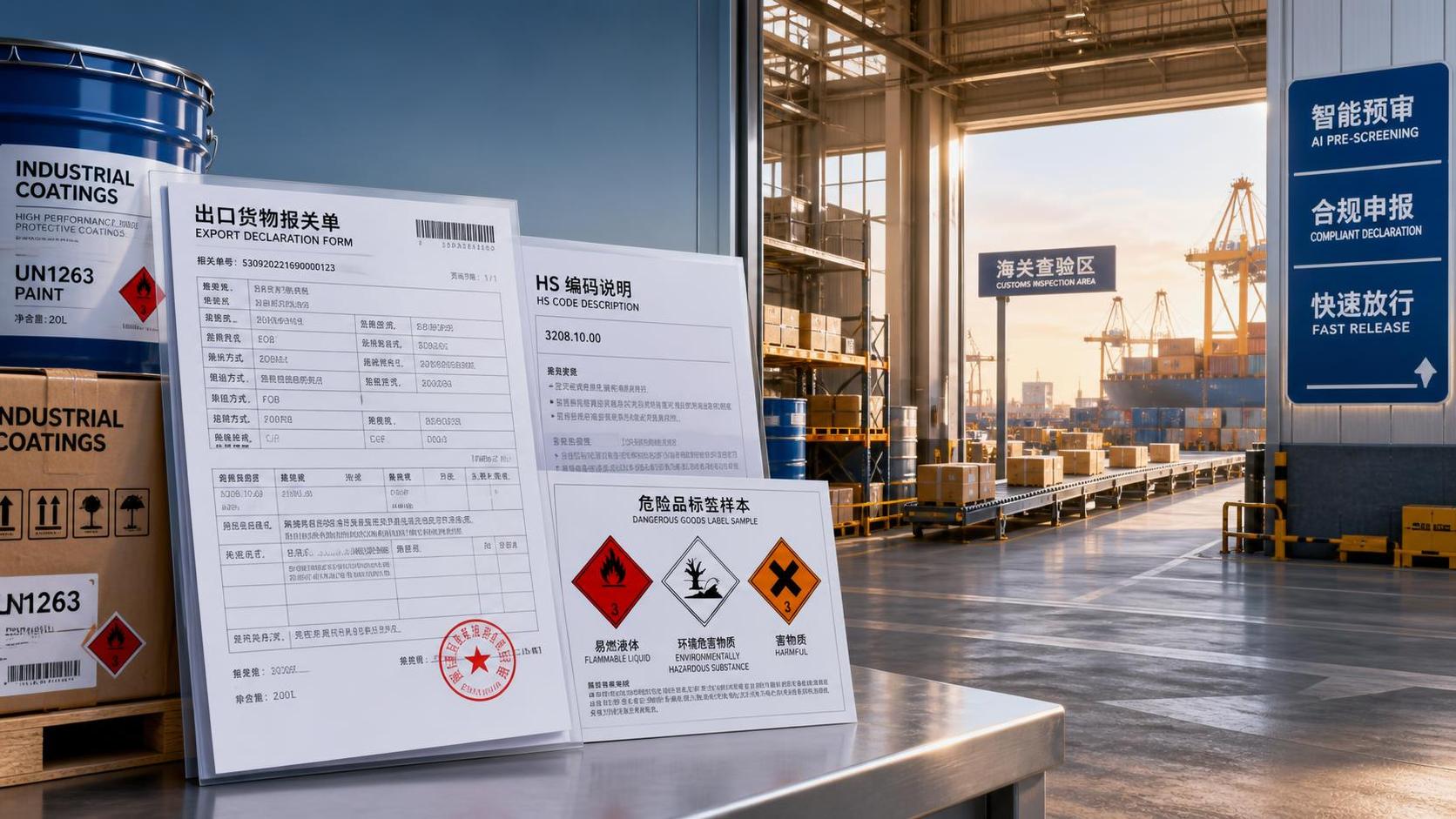
- China Customs Launches Paint Export PrecheckAug 14, 2026
- Nippon Paint Reacquires European Auto Coatings UnitAug 12, 2026



Leave A Reply
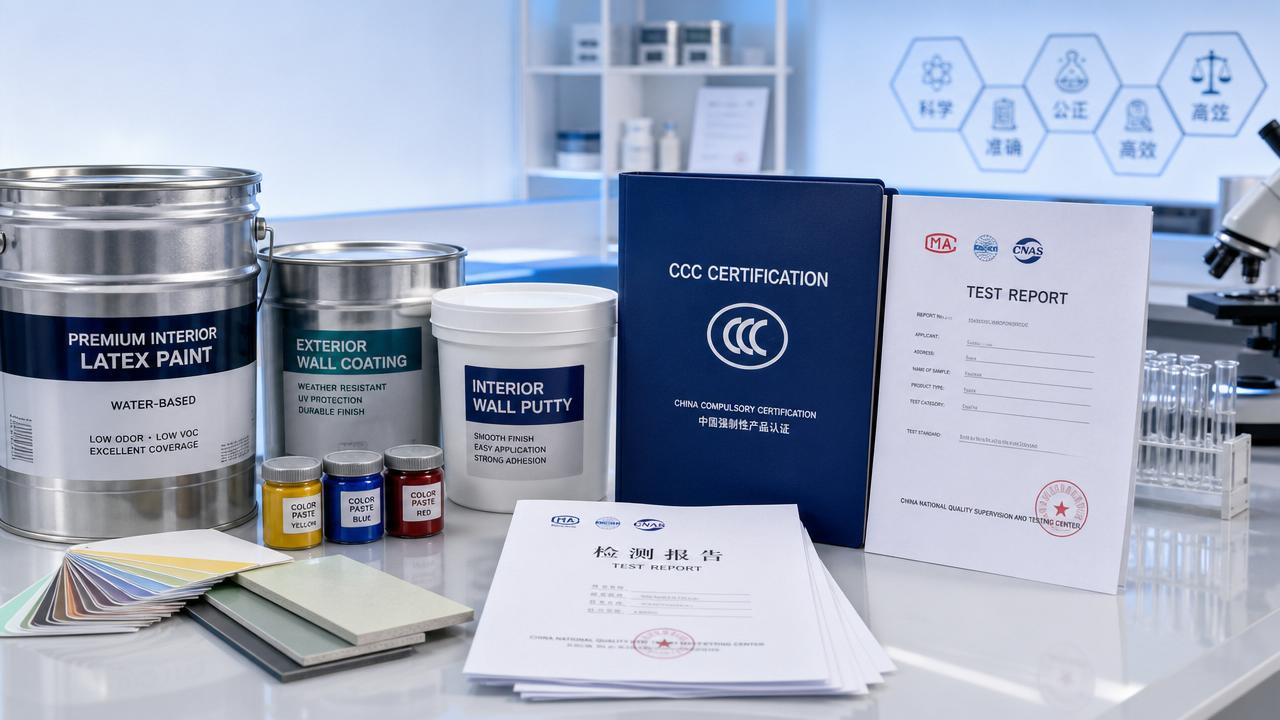
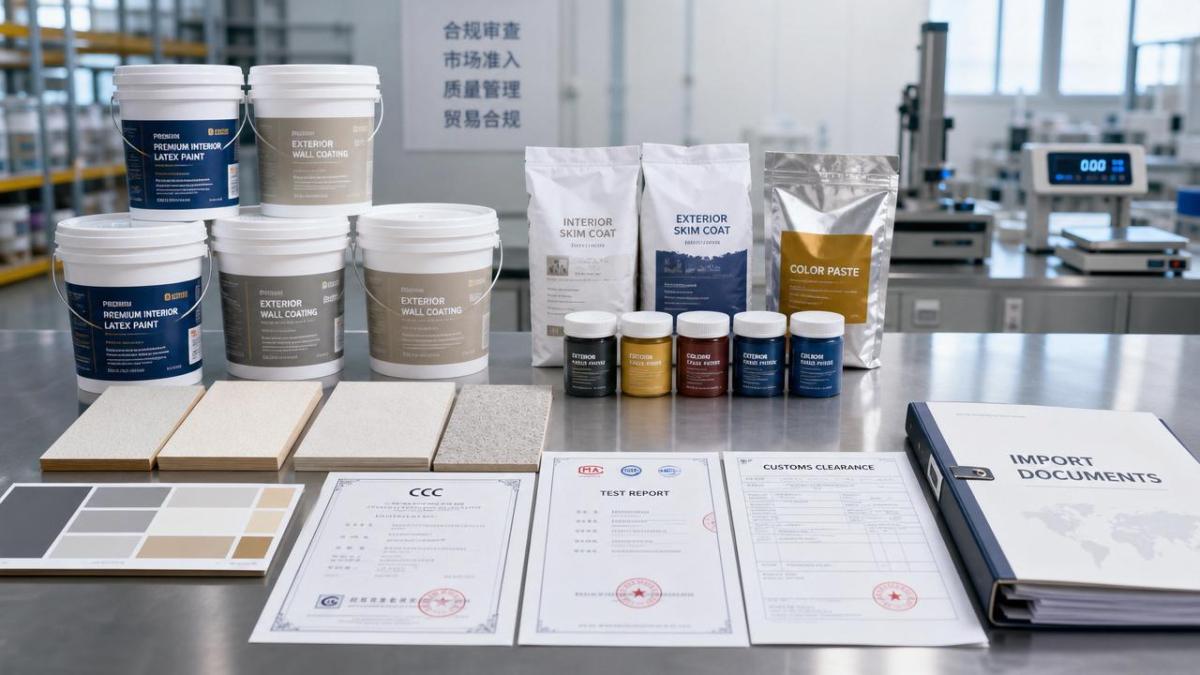
On June 1, 2026, China brought GB30981.1-2025 into full effect for imported architectural coatings, making valid CCC certification and complete national-standard test reports a condition for both customs entry and market sale. The move directly affects importers, overseas coating brands, distributors, procurement teams, and downstream project users, because it shifts compliance from a paperwork issue to a market-access requirement across latex paint, decorative paint, putty, and colorants.
What the new compliance threshold now requires
According to the provided information, all imported architectural coatings covered by this implementation must carry valid CCC certification together with full test reports under the applicable national standard before they can enter China and be sold in the market.
The scope specifically includes latex paint, decorative paint, putty, and colorants.
The same information states that non-compliant products described as “pseudo-imported” are being removed in a concentrated cleanup, and that overseas brands that do not complete formulation upgrades and annual factory inspections will lose eligibility to access the China market.
Where the pressure is likely to appear first
Import and trading operations face an immediate gatekeeping issue
From an industry perspective, importers and trading companies are likely to feel the impact first because customs clearance and legal sale now depend on whether certification and testing documents are complete and valid. The main business risk is not only shipment entry, but also whether existing product lines can continue circulating through normal channels.
Overseas brands must connect product formulation with market access
Analysis shows that overseas brands are affected at the product and manufacturing level, not only at the distributor level. The provided information links continued market access to formulation upgrades and annual factory inspections, which means compliance appears tied to both product readiness and ongoing factory-side qualification.
Distributors and channel operators need to reassess product continuity
For channel businesses, the issue is likely to center on whether imported coating SKUs can remain on shelves and in active sales pipelines. What deserves closer attention is whether each product category in circulation has the required certificates and reports, especially where sales have relied on imported positioning as part of market differentiation.
Procurement and downstream users may need to revisit supplier documentation
For procurement teams and project-facing users, the practical impact may appear in supplier selection, product substitution, and delivery planning. Observably, the compliance status of imported coatings now matters not only for branding claims, but also for whether a product can be legally supplied into the market.
What companies should watch right now
Check whether certificates and test reports are complete for each product line
Companies dealing with imported coatings should focus on whether each covered product has valid CCC certification and full national-standard test reports, rather than assuming brand-level compliance applies across all items.
Separate brand claims from document-backed eligibility
Analysis shows that one practical risk lies in confusing imported branding with compliant market access. The current signal in the provided information is that documentation and qualification determine entry and sale, so sales, procurement, and channel teams should align their communication with document-backed status.
Review the impact of formulation upgrades and annual factory inspections
For overseas brands and their China-facing partners, a key point is whether formulation work and annual factory inspection requirements have been completed in time. This deserves close attention because the provided information directly connects unfinished work in these areas with loss of market access.
Prepare for supply, delivery, and customer communication issues
Observably, businesses should also watch how compliance checks affect delivery schedules, product availability, and customer explanation in ongoing orders. The operational question is not only whether a product is compliant in principle, but whether the relevant documents are ready at the point of shipment, listing, and sale.
Why this looks bigger than a short-term cleanup
As an editorial observation, this development is more appropriate to understand as a clear enforcement signal rather than a temporary adjustment in channel management. The information provided points to a stricter alignment between technical compliance, factory qualification, and market access for imported architectural coatings.
At the same time, it should not be overstated beyond the confirmed facts. What is already clear is the implementation date, the product scope, the certification and testing requirements, and the stated consequence for non-compliant products and overseas brands that fail to complete required upgrades and inspections. What still requires continued observation is how different market participants adjust their product portfolios, supplier screening, and channel strategies in response.
How the market may best read this development
In practical terms, this news matters because it turns compliance for imported coatings into a direct condition for remaining in China’s sales channels. A neutral reading is that the standard’s full implementation marks a concrete change in access rules rather than a symbolic policy statement.
It is more appropriate to understand this as a confirmed regulatory threshold with broader commercial implications still unfolding. For the industry, the immediate takeaway is to verify qualifications product by product, while the broader effects on channel structure and supplier choices remain something to monitor.
Basis of this article and what still needs verification
This article is based on the user-provided news title, event date, and event summary concerning the full implementation of GB30981.1-2025 on June 1, 2026.
For this type of industry update, relevant source categories would usually include official notices, company disclosures, industry association information, authoritative media reporting, and standard-related documents. However, a specific official source link was not provided in the input, so further verification remains necessary.
Follow-up attention should focus on any later official clarifications, implementation wording, and market-facing compliance updates related to certification, testing documentation, formulation upgrades, and annual factory inspections.