
Categories List
 China Customs Launches Smart Preclassification Channel for Coatings ExportsAug 16, 2026
- China Customs Launches AI Preclassification Channel for Paint ExportsAug 15, 2026
- 越南要求进口工业涂料提交SVHC声明Aug 14, 2026
- China Customs Opens Smart Pre-Review for Coating ExportsAug 13, 2026
- EU REACH Limits NMP in CoatingsAug 13, 2026
- Shenzhen Fluorosilicone Expo Opens in October 2026Aug 12, 2026


Leave A Reply

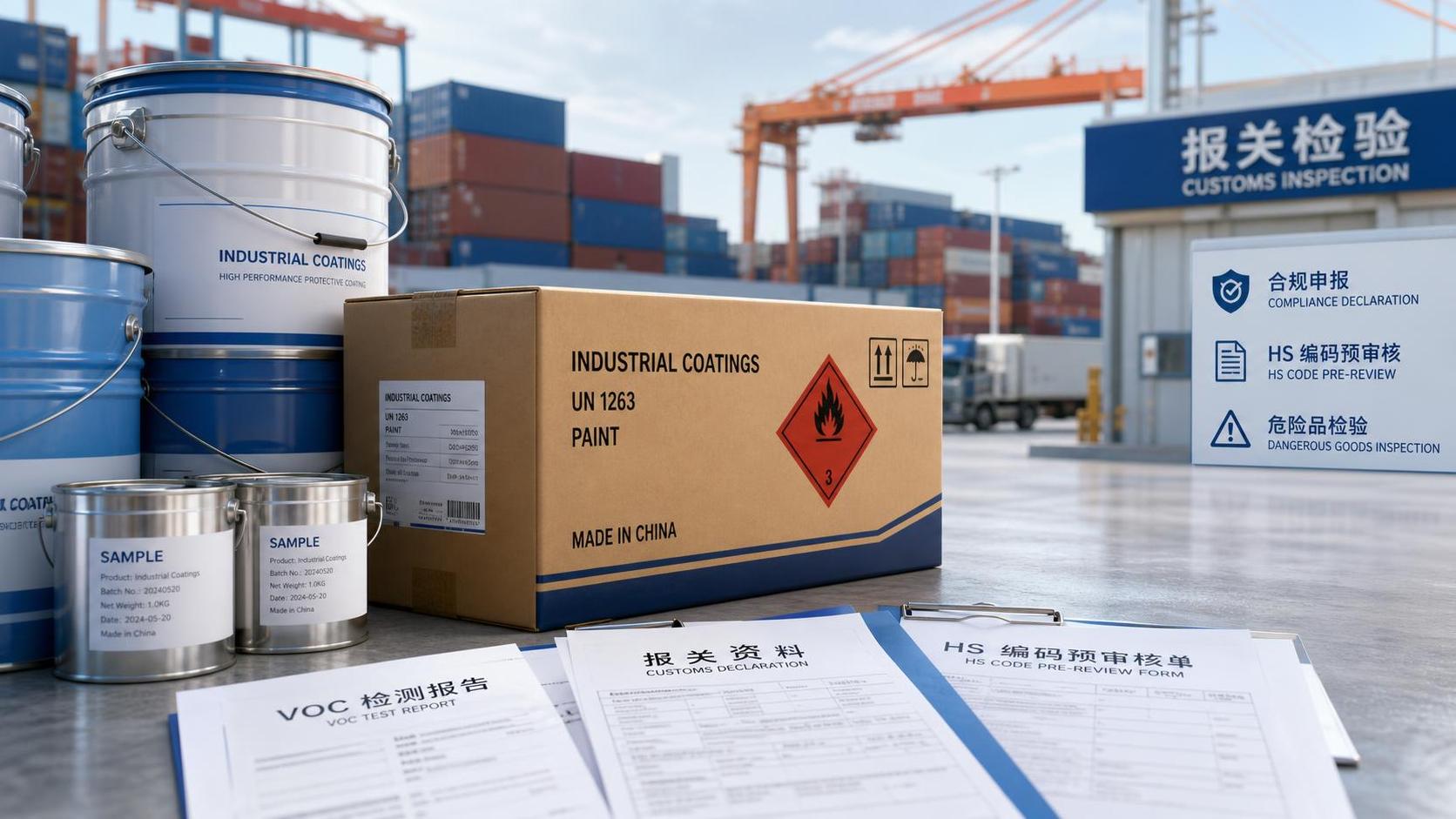
On July 30, 2026, China Customs began piloting a green clearance code mechanism for industrial protective coatings under HS codes 320820 and 320910 at six key ports including Dalian and Qingdao. For exporters that can provide ISO 14040 life cycle assessment certification and a REACH compliance declaration, the change introduces priority inspection and release within 72 hours. For coating exporters, buyers, compliance teams, and logistics providers, the development is worth close attention because it links customs efficiency more directly to documented environmental and regulatory compliance, with immediate implications for delivery planning and port-side costs.

What the pilot mechanism now covers
According to the confirmed information provided, the pilot took effect at 00:00 on July 30, 2026. It applies to industrial protective coatings classified under HS 320820 and 320910 and is being implemented at six key ports, including Dalian Port and Qingdao Port. Under the mechanism, companies that have passed ISO 14040 life cycle assessment certification and can provide a REACH compliance declaration are eligible for priority inspection and fast release within 72 hours. The information provided also states that this has significantly shortened JinFeiMa’s delivery cycle for customers in the Middle East and Southeast Asia while reducing ocean freight detention and port delay costs.
Where the rule change is likely to be felt first
Exporters with time-sensitive shipments
From an industry perspective, coating exporters are the first group likely to feel the operational effect of this pilot because customs handling time directly affects shipment scheduling and promised delivery dates. The practical focus is no longer only on product readiness, but also on whether ISO 14040 and REACH-related documentation can support access to the faster clearance pathway.
Procurement and delivery planning teams
Buyers and internal procurement teams may also be affected because customs timing influences order confirmation, shipment windows, and replenishment planning. What deserves closer attention is whether suppliers for the covered HS codes can demonstrate the required certification and compliance statements in a usable form, since that may begin to affect supplier selection and expected lead times.
Compliance and documentation functions
For compliance staff, certification service providers, and related testing or document control teams, the pilot highlights the operational value of traceable regulatory paperwork. The impact is most visible in document preparation, consistency of declarations, and the ability to align shipment files with customs expectations for covered coating products.
Freight and port-side service providers
Supply chain service providers, including forwarders and port-handling coordinators, may need to pay closer attention to which shipments can qualify for the pilot channel. Analysis shows that the clearance benefit matters not only for customs timing itself, but also for vessel coordination, storage exposure, and the cost impact of delays once cargo reaches port.
Practical points companies should monitor now
Check whether current product classifications fall within scope
Companies handling industrial protective coatings should first verify whether their export items are being declared under HS 320820 or 320910, because the pilot is tied to those codes in the information provided. This is a practical threshold issue for trade, documentation, and shipment planning.
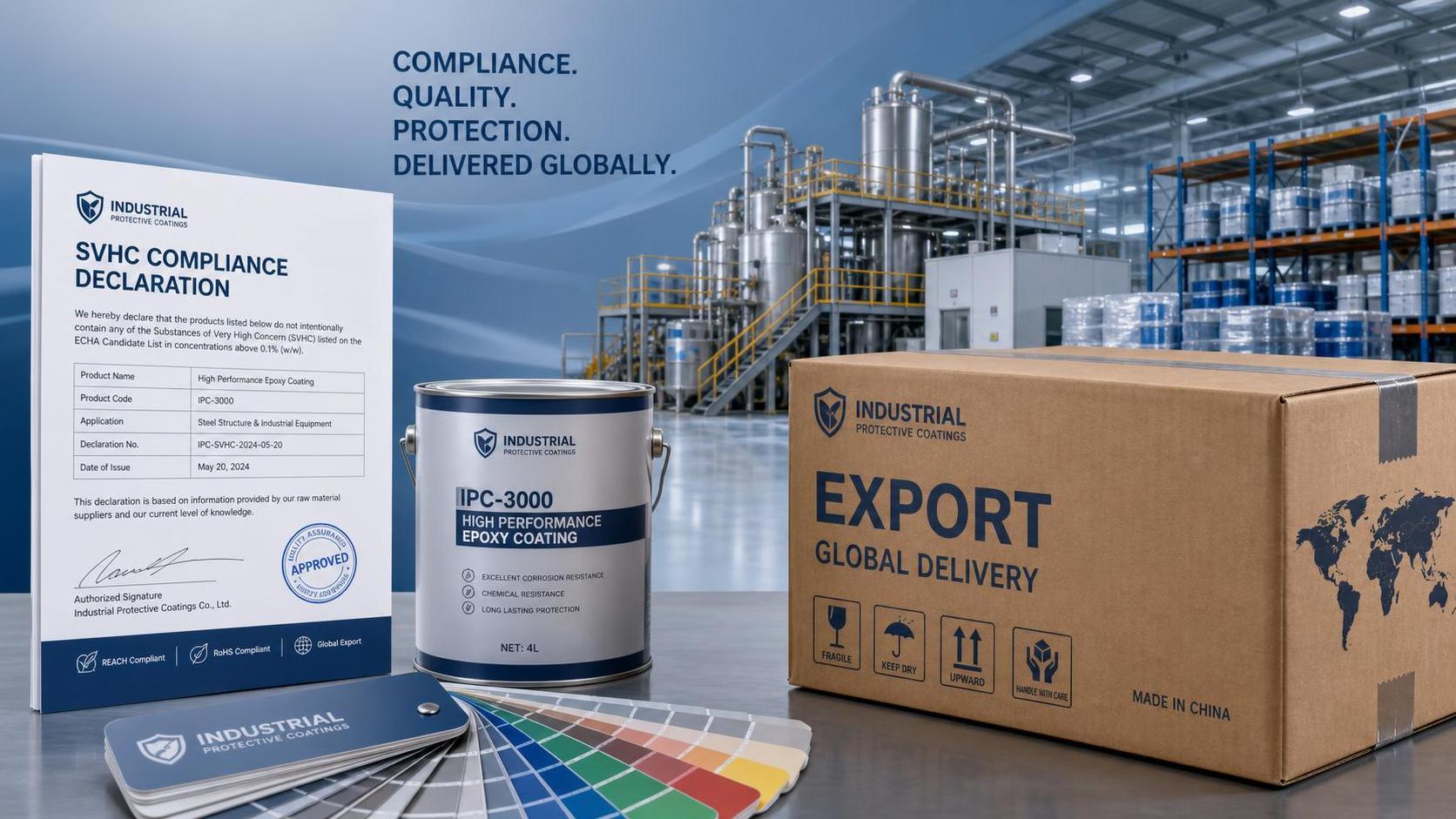
Review certification and declaration readiness
Analysis shows that firms expecting to benefit from the faster channel should pay close attention to the availability and consistency of ISO 14040 certification materials and REACH compliance declarations. Where internal files, technical documents, or bid materials use different descriptions, companies may need to examine whether those inconsistencies could create friction during review.
Watch for official wording and execution criteria
The current information confirms the pilot mechanism and the qualifying documents, but it does not provide full operational detail on submission format, review sequence, or case handling differences across ports. It is more appropriate to understand this as an active implementation signal that still requires close monitoring of official wording, port-level practice, and any later clarification affecting document acceptance.
Reassess delivery promises and supplier qualification standards
For exporters and overseas-facing sales teams, the pilot may affect how delivery commitments are set for covered coating products. Observably, supplier qualification reviews may also begin to place more weight on whether a manufacturer can support customs-facing compliance files in addition to product and commercial requirements.
Why this looks like both implementation and a policy signal
Analysis shows that this update should not be read only as a logistics convenience measure. It also signals a more visible connection between trade facilitation and verifiable compliance credentials in a defined export category. At the same time, it would be premature to treat the pilot as a fully settled rule environment beyond the confirmed facts. What deserves closer attention is whether later execution guidance, market feedback, and document practices reinforce this model, narrow it, or expand its practical influence over export routines.
How to read the current development
At this stage, the news is best understood as a landed operational change within a pilot framework rather than a finished long-term rule set. The confirmed facts already matter for covered coating exporters because customs priority and a 72-hour release window can alter delivery rhythm and port cost exposure. Still, a neutral reading requires continued attention to how the mechanism is applied in practice, how companies prepare supporting documents, and whether procurement and trade counterparties begin to treat these compliance materials as a more standard requirement.
Basis of this article and what still needs verification
This article is generated from the user-provided news title, event date, and event summary. For developments of this kind, relevant source categories typically include official notices, customs or trade authority releases, industry association updates, standards-related documents, and reporting by authoritative business or trade media. A specific official source link was not provided in the input, so it still needs to be verified on an ongoing basis. Follow-up attention should remain on any detailed policy text, interpretation of certification requirements, port-level execution practice, changes in tender or procurement documents, industry feedback, and how enterprises implement the mechanism in actual export operations.