
Categories List
 China Customs Launches Smart Preclassification Channel for Coatings ExportsAug 16, 2026
- China Customs Launches AI Preclassification Channel for Paint ExportsAug 15, 2026
- 越南要求进口工业涂料提交SVHC声明Aug 14, 2026
- China Customs Opens Smart Pre-Review for Coating ExportsAug 13, 2026
- EU REACH Limits NMP in CoatingsAug 13, 2026
- Shenzhen Fluorosilicone Expo Opens in October 2026Aug 12, 2026

Leave A Reply
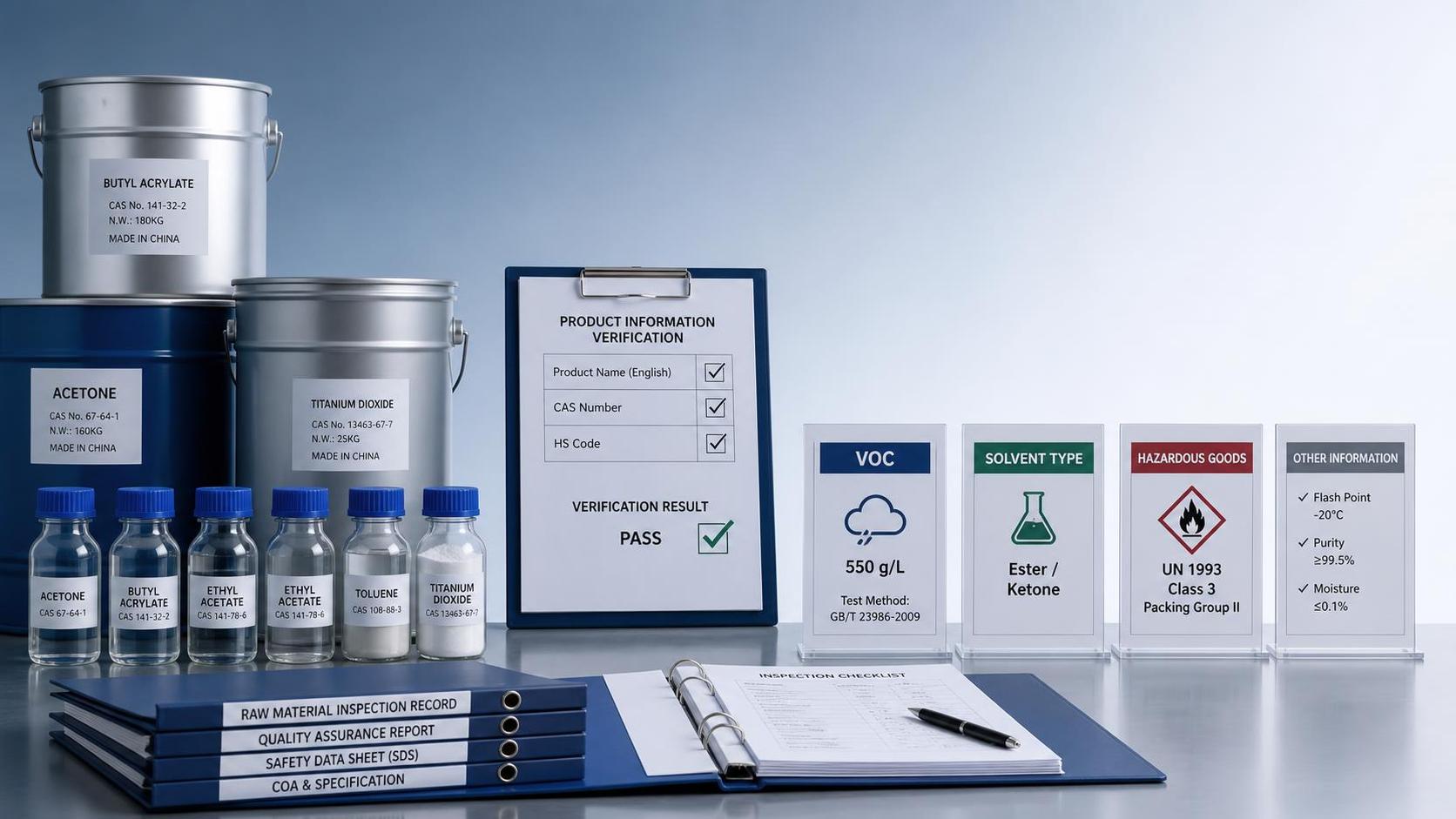
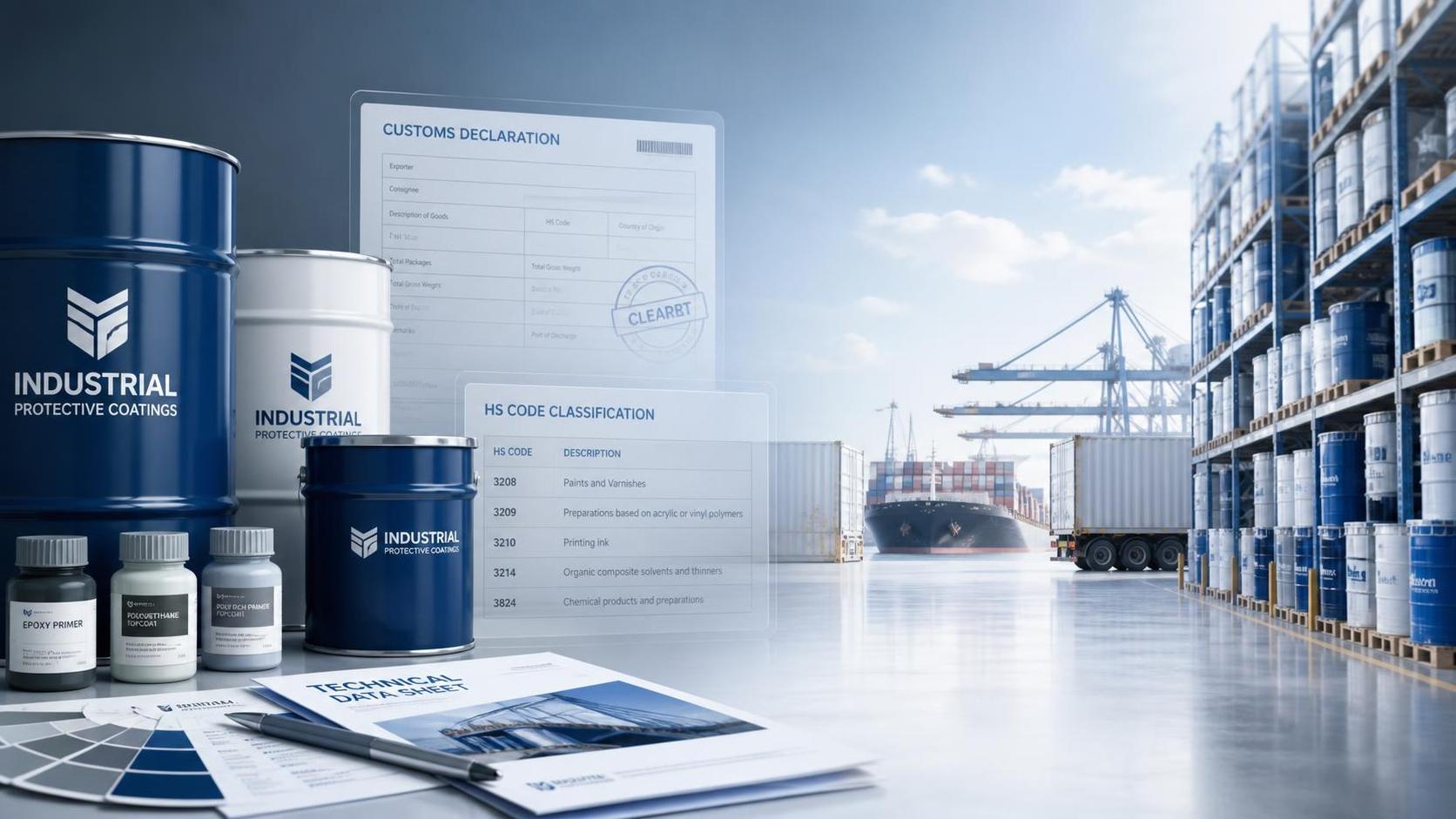
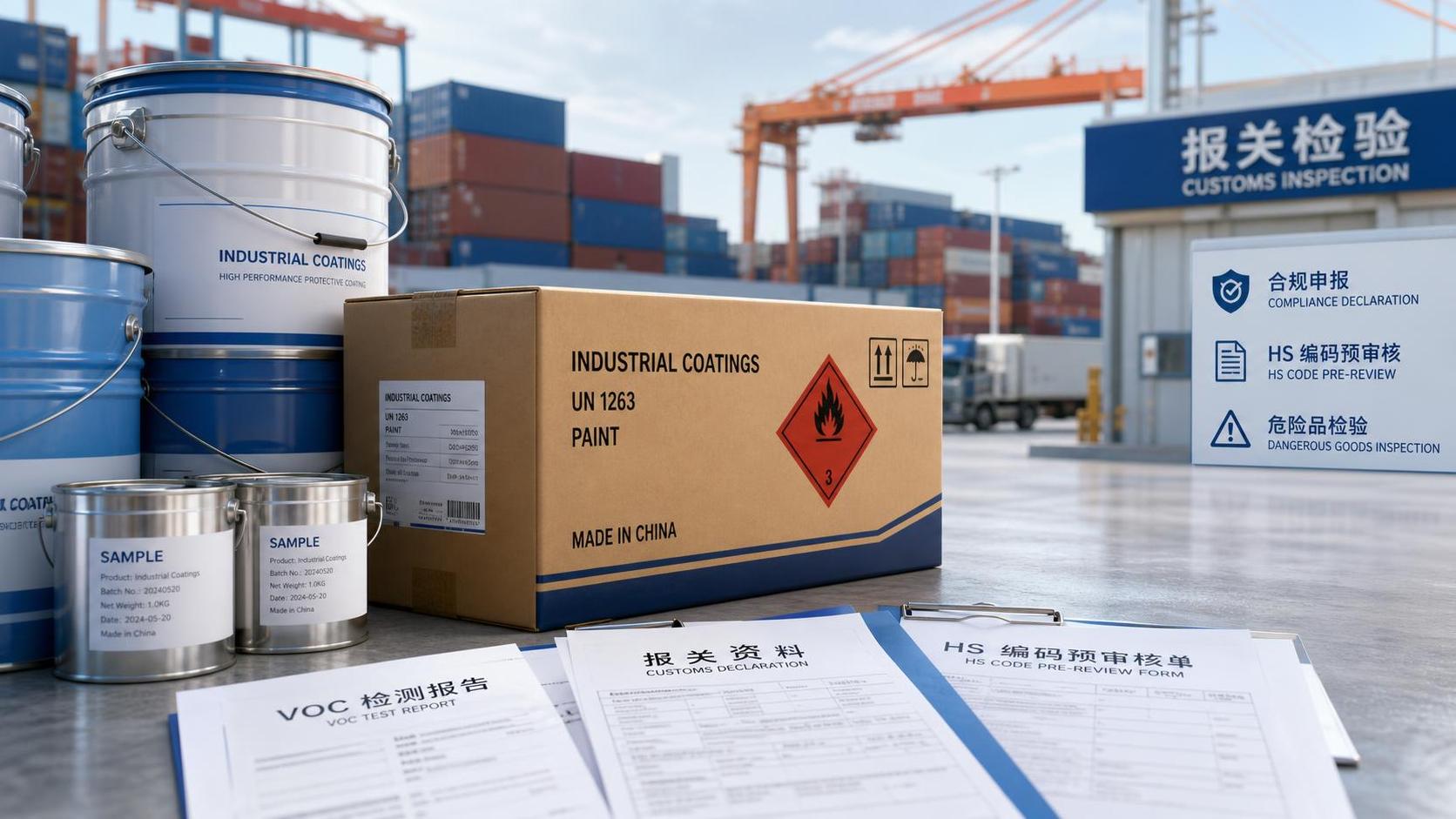
China’s General Administration of Customs has officially rolled out a national pilot of a smart preclassification channel for "coatings and coating materials," with the new system going live on August 14, 2026. According to the information provided, the channel is designed to help exporters verify English product names, CAS numbers, and HS codes in one step, while also identifying VOC content, solvent type, and hazardous goods attributes in real time.
For coating exporters, the practical value is clear: classification errors have long been a source of inspection delays and cargo detention risk. By pushing suggested tariff classifications and regulatory requirements directly into the workflow, the new channel should reduce friction at the declaration stage and make compliance checks more predictable.
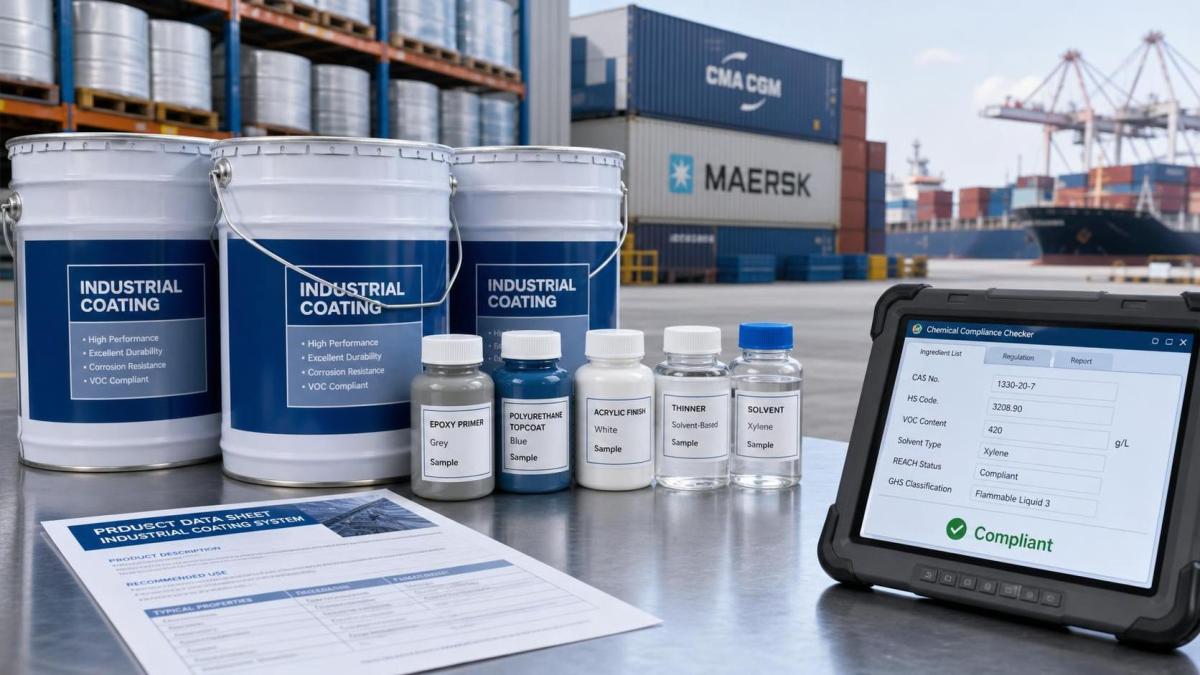
The pilot covers 12 ports, including Shenzhen, Ningbo, and Tianjin, and is expected to expand nationwide from September. Based on the disclosed results, average export clearance time has been shortened to 2.3 working days, which the customs authority says represents a 40% improvement in clearance efficiency.
What this means for the sector
The immediate impact is likely to fall on exporters, freight forwarders, customs brokers, and compliance teams that handle coatings, paint, and related materials. Products with complex formulations are often harder to classify correctly, especially when VOC content or hazardous properties affect regulatory treatment. A system that surfaces these checks earlier can reduce rework and lower the chance of a shipment being held for inspection.
It also signals a broader shift in customs processing toward data-driven pre-review. If the pilot expands as planned, companies that maintain cleaner product master data and more consistent HS classification practices may benefit first, because the system depends on structured information rather than informal descriptions.
For now, the key variable is how smoothly the pilot translates into nationwide use. The real test will be whether the preclassification logic remains consistent across ports and whether exporters are able to align internal product data with the new review requirements without creating another layer of compliance work.
This article is based solely on the information provided in the current briefing. Further updates will depend on official customs notices, port-level implementation details, and any subsequent industry guidance.