
Categories List
 China Customs Launches Smart Preclassification Channel for Coatings ExportsAug 16, 2026
- China Customs Launches AI Preclassification Channel for Paint ExportsAug 15, 2026
- 越南要求进口工业涂料提交SVHC声明Aug 14, 2026
- China Customs Opens Smart Pre-Review for Coating ExportsAug 13, 2026
- EU REACH Limits NMP in CoatingsAug 13, 2026
- Shenzhen Fluorosilicone Expo Opens in October 2026Aug 12, 2026


Leave A Reply
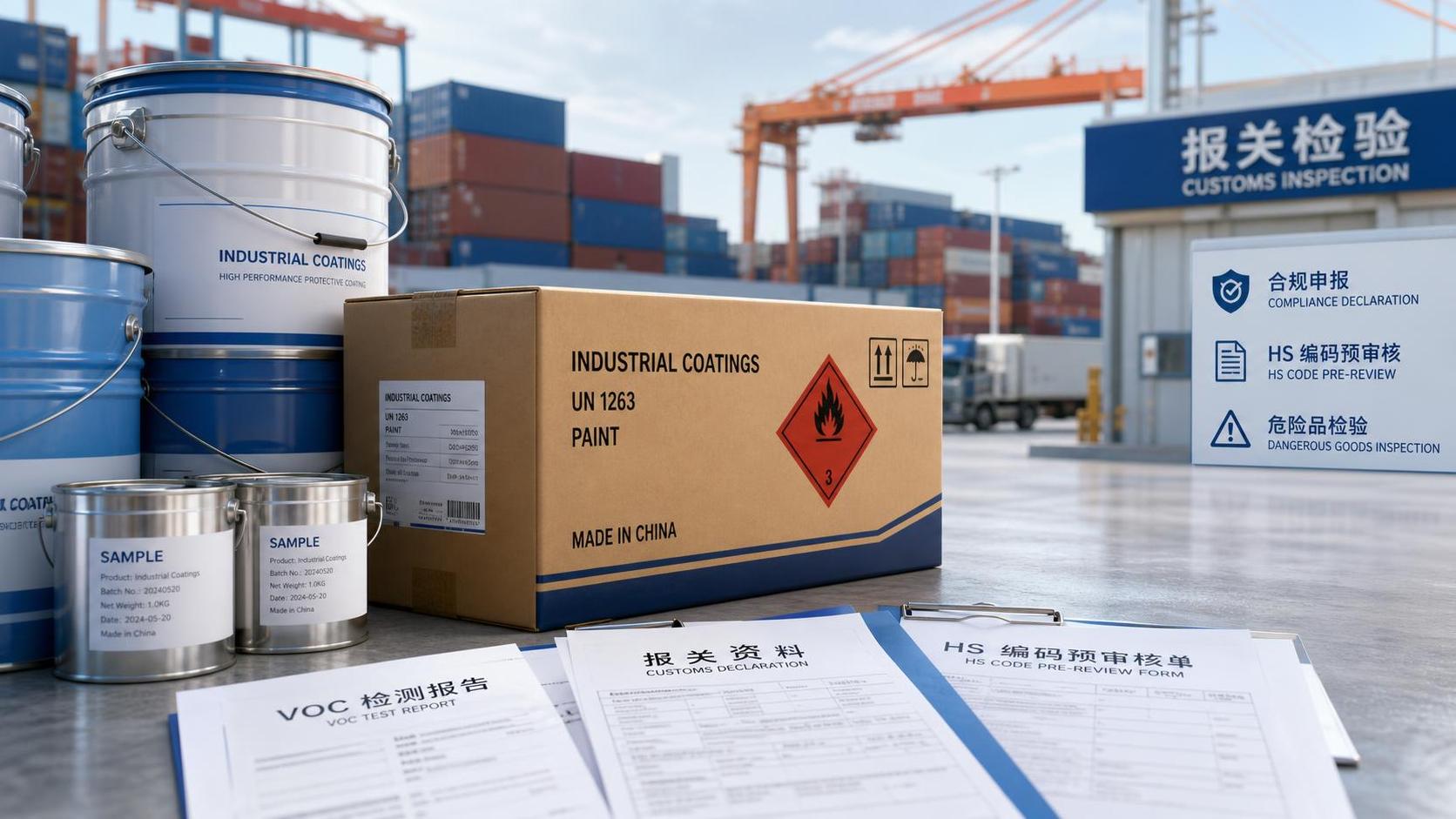
On August 10, 2026, China Customs began piloting a smart HS code pre-review channel for coating and organic coating material exports at nine major ports, including Ningbo, Qingdao, and Shenzhen. For exporters of coatings and related products, this is not just a digital filing update; it is a practical change in how classification accuracy and pre-shipment compliance may be handled before customs declaration. The development is worth close attention because it directly touches export documentation, hazardous goods labeling checks, VOC content statements, and the risk of delays caused by classification errors.
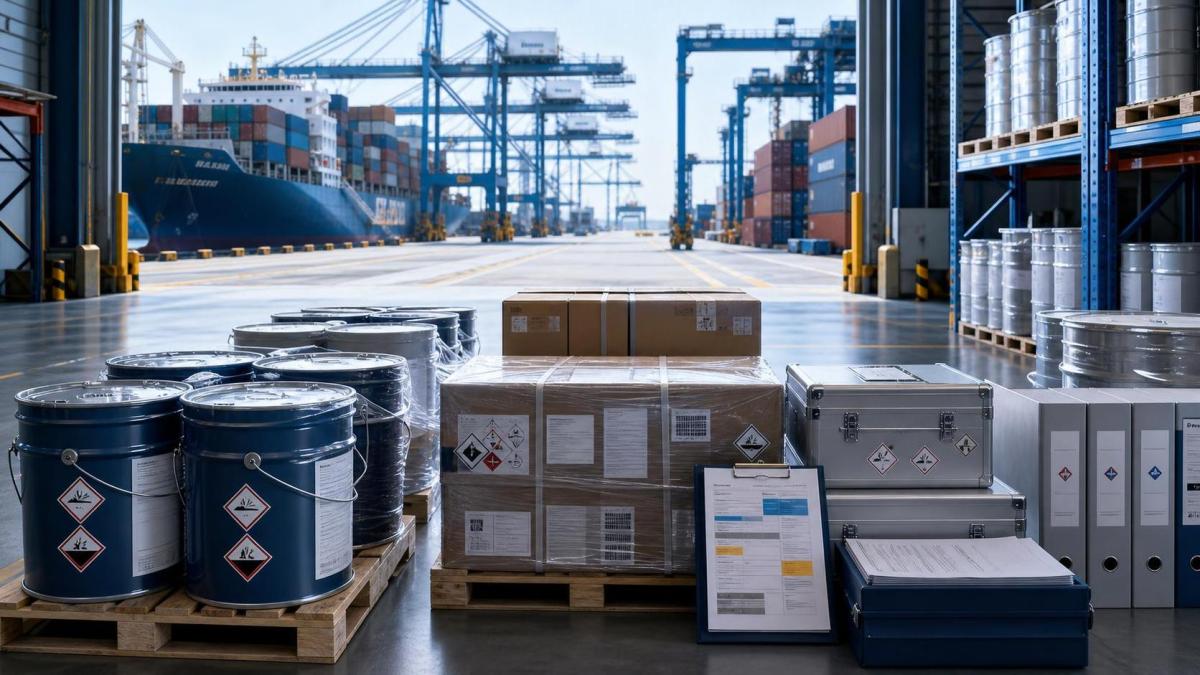
A pilot system aimed at pre-declaration classification
According to the provided information, the pilot started on August 10, 2026 and introduced an export HS code smart pre-review system named CodeScan-Coat v2.1 for coatings and organic coating materials. The pilot is being launched at nine major ports, including Ningbo, Qingdao, and Shenzhen.
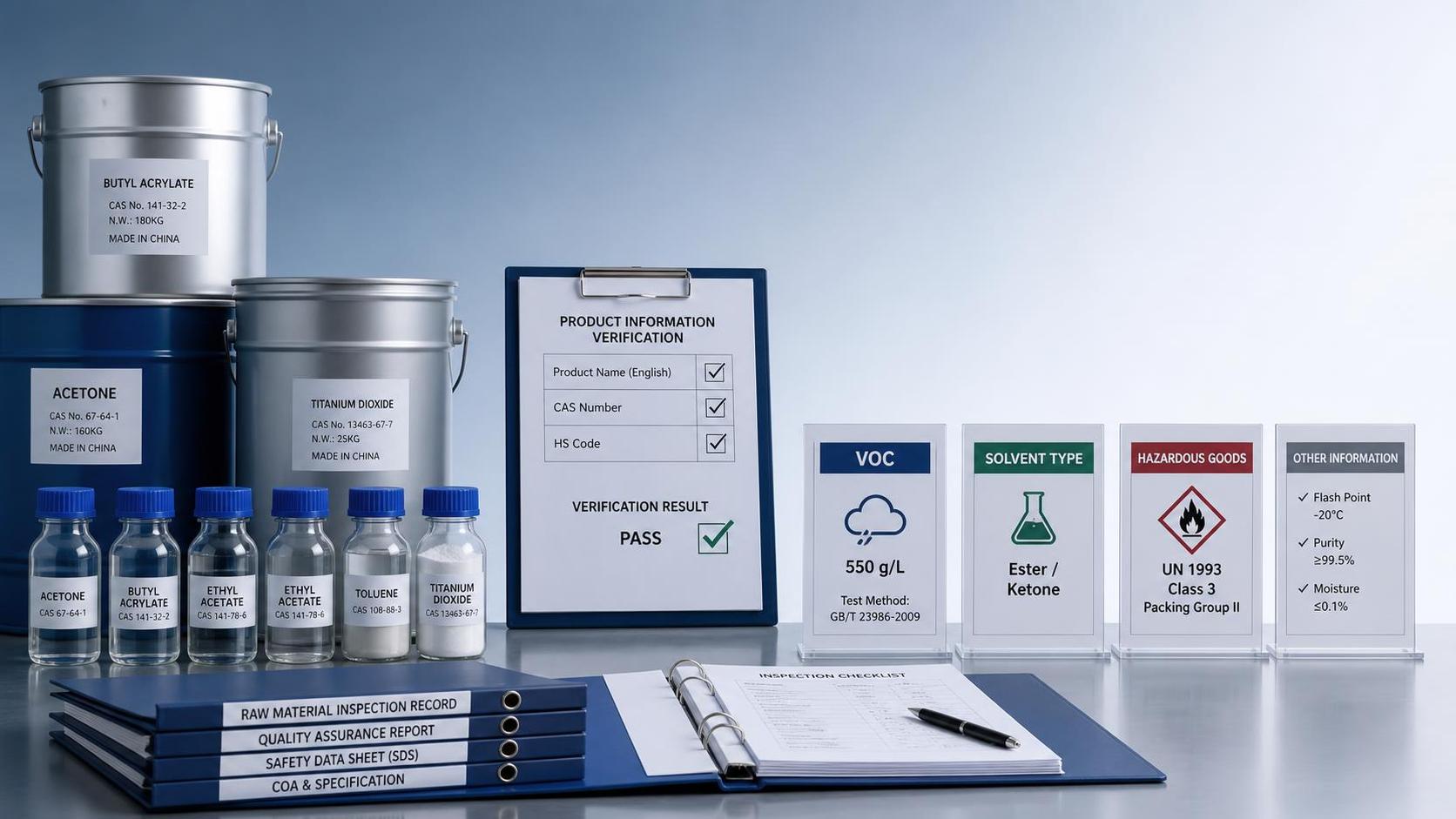
The system covers more than 20 sub-categories of coating products. Before making a declaration, companies can upload technical parameters and formulation ratios. The system then provides real-time feedback on the most suitable HS code and related regulatory requirements, including items such as hazardous chemical labeling and VOC content declarations.
The stated effect of the new channel is a 40% reduction in customs clearance time, while also lowering the risk of returned filings and inspections caused by classification mistakes.
Where the change may be felt across export workflows
For coating exporters, classification moves further upstream
Analysis shows that exporters are likely to feel the most immediate impact because the pre-review step shifts classification work earlier in the shipment process. Instead of treating HS coding as a final declaration task, companies may need to prepare technical data and formulation-related information earlier so that the system can return a usable coding result and related compliance prompts before filing.
What deserves closer attention is the quality and consistency of the data submitted. Where a shipment involves hazardous goods labeling or VOC-related declarations, exporters may need tighter internal coordination between regulatory, technical, and shipping teams to avoid mismatches between product data, labels, and customs filings.
For manufacturers, product data management becomes more operational
From an industry perspective, manufacturers that produce coating and organic coating materials may be affected even when they do not handle customs declaration directly. The smart pre-review mechanism relies on technical parameters and formulation ratios, which means product specifications and internal technical documentation may become more directly tied to customs processing efficiency.
Observably, this raises the importance of keeping product files, formulation records, and compliance statements aligned across production, documentation, and export teams. The change does not create a confirmed new legal obligation beyond the provided facts, but it does increase the practical value of accurate technical records in export execution.
For logistics and customs service providers, document review may become more technical
Supply chain service providers, including customs brokers and export operations teams, may also see a shift in workload. If the system returns both a recommended HS code and related regulatory requirements, service providers may need to spend more time verifying supporting documents before submission rather than correcting issues after a filing is rejected or selected for inspection.
Analysis shows that this could improve handoff efficiency in shipments that are frequently delayed by coding disputes, but it also means service providers may need stronger product-level understanding for coating categories covered by the pilot.
For buyers and procurement teams, delivery planning may become more documentation-sensitive
Procurement teams and overseas buyers are not the direct users of the customs system, yet they may still be affected through lead-time predictability. If classification errors and related inspections are reduced, delivery schedules may become more stable for some export orders. At the same time, buyers may need to watch whether suppliers can consistently provide the technical and compliance documentation needed for pre-review.
It is more appropriate to understand this as a procedural effect on delivery reliability rather than a confirmed market-wide outcome, because the provided information describes a pilot and does not establish how uniformly the benefits will appear across all ports or product segments.
What companies should watch in the pilot stage
Check whether product files are ready for pre-review submission
Analysis shows that companies covered by the pilot should pay close attention to whether their technical parameters and formulation ratio records are organized in a form that can support timely pre-declaration review. Where documentation is fragmented or maintained by separate teams, the practical gains from the smart channel may be harder to realize.
Review compliance statements linked to the returned customs guidance
The provided information indicates that the system can return related regulatory requirements such as hazardous chemical labeling and VOC content declarations. What deserves closer attention is whether the documents already used in export operations match those requirements clearly and consistently. This is especially relevant for firms that manage multiple coating sub-categories within the pilot scope.
Monitor whether customer-facing delivery promises need adjustment
Because the new mechanism is described as a pilot at nine major ports, companies should be careful about assuming the same processing effect across every route or shipment. Observably, export teams may need to distinguish between cargoes that can use the pilot channel and those that still depend on standard processes when committing delivery dates to customers.
Track follow-up execution signals rather than assuming a final rule state
The current information confirms a live pilot and its intended operational effect, but it does not provide detailed enforcement language beyond the described functions. Analysis shows that companies should continue watching for more specific execution signals, including how regulatory prompts are applied in practice, whether filing expectations become more standardized, and how the pilot is reflected in day-to-day customs handling.
Why this looks like an execution signal, not just a technical tool update
From an industry perspective, this development is more than a software rollout because it connects product-level technical information with export classification and compliance review before declaration. That suggests a stronger operational preference for front-loaded accuracy in customs treatment of coating exports.
At the same time, it is more appropriate to understand this as an execution-stage signal rather than a fully settled regulatory endpoint. The pilot status matters. Industry participants still need to observe how consistently the system's coding guidance is used in practice, how companies adapt their internal document flows, and whether related compliance checks become more standardized across covered ports and product groups.
How the market is likely to read the change for now
In practical terms, the launch of CodeScan-Coat v2.1 points to a more structured customs handling path for coating and organic coating material exports, with classification accuracy and supporting compliance information moving closer to the front of the process. The confirmed message is clear: for covered products, customs classification is becoming more data-driven before formal declaration.
A neutral reading is that this should be viewed as a real operational change with immediate relevance for exporters, manufacturers, and customs service providers, while broader conclusions about long-term standardization still require observation. The pilot has already begun, but the full market meaning will depend on how the process is applied and absorbed in daily export practice.
Basis of this article and points still requiring verification
This article is based on the user-provided news title, event date, and event summary. No additional policy number, institution detail, source link, or market data has been added beyond the supplied information.
For this type of development, source types typically relevant to further verification include official notices, releases from regulatory authorities, customs or trade administration information, industry association updates, standard-setting documents, and reporting by authoritative media. A specific official source link was not provided in the input, so continued verification is still necessary.
What still needs observation includes possible follow-up policy details, practical compliance interpretations, any changes in tender or trade documentation expectations, industry feedback from the pilot ports, and how companies implement the pre-review process in routine export operations.