
Categories List
 China Customs Launches Smart Preclassification Channel for Coatings ExportsAug 16, 2026
- China Customs Launches AI Preclassification Channel for Paint ExportsAug 15, 2026
- 越南要求进口工业涂料提交SVHC声明Aug 14, 2026
- China Customs Opens Smart Pre-Review for Coating ExportsAug 13, 2026
- EU REACH Limits NMP in CoatingsAug 13, 2026
- Shenzhen Fluorosilicone Expo Opens in October 2026Aug 12, 2026

Leave A Reply
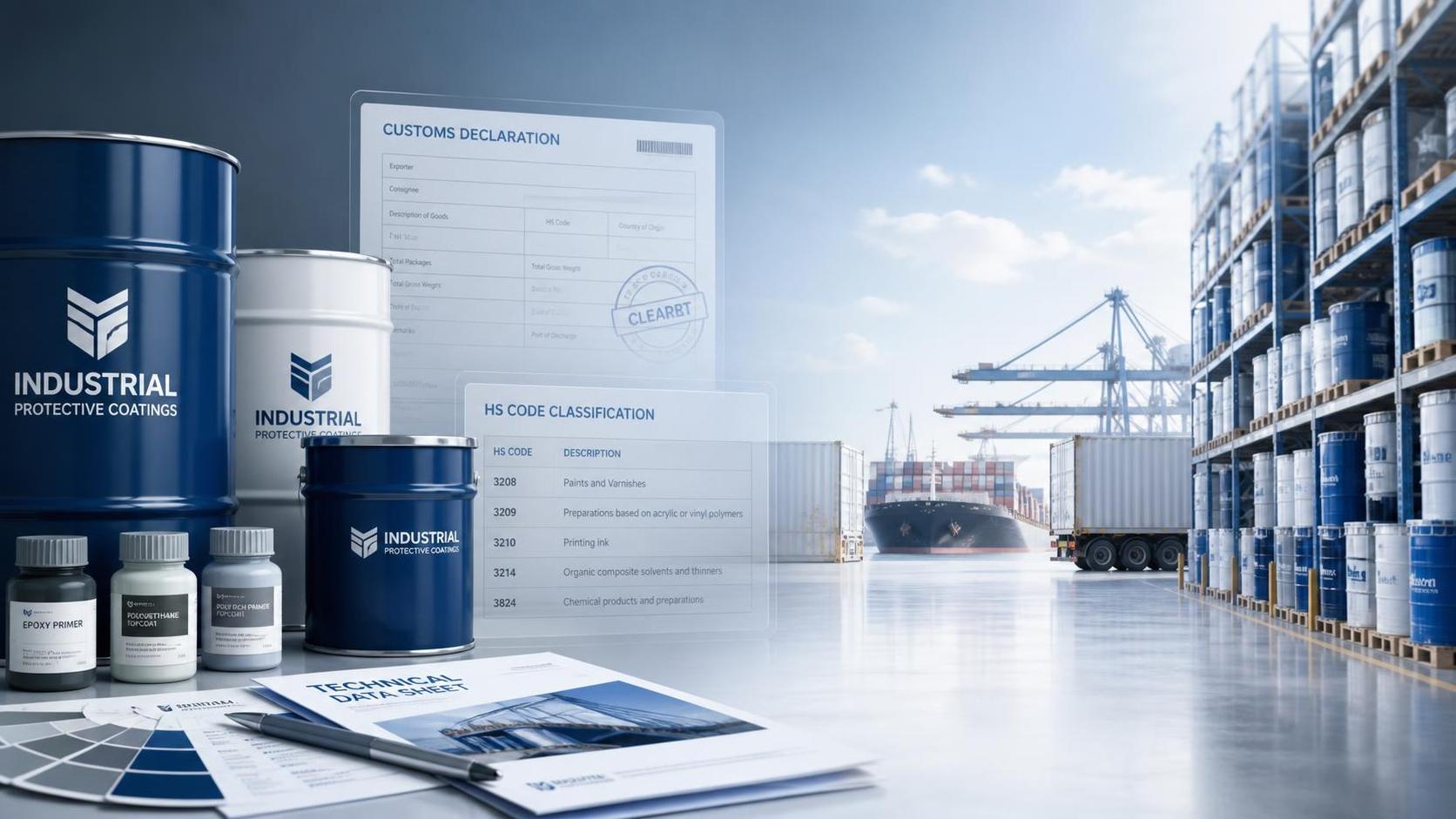
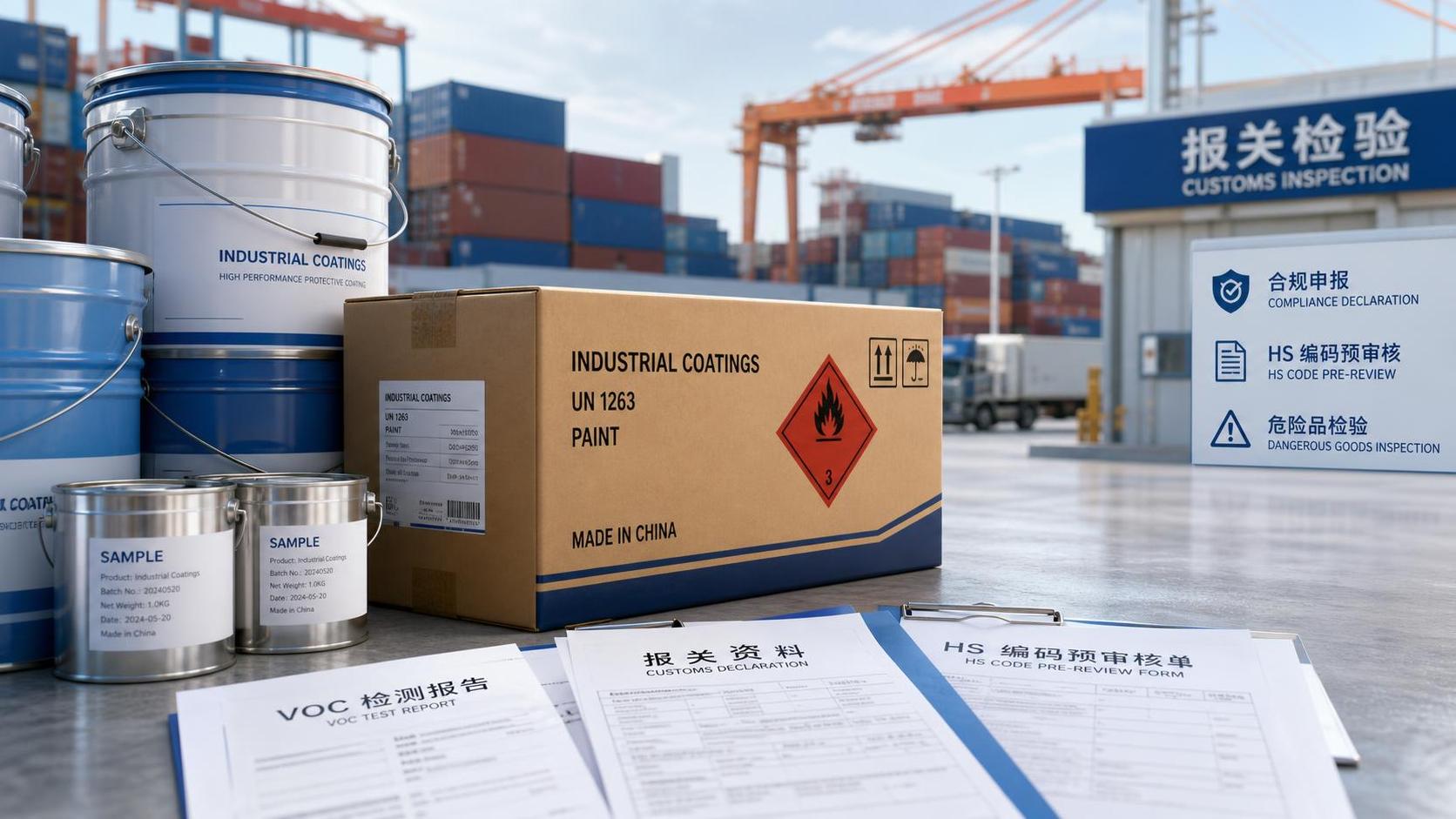
On 14 August 2026, China Customs announced an expanded pilot for AI-based export preclassification of paint products, extending the service to industrial protective coatings under HS codes 3208 and 3209 at 21 directly administered customs offices nationwide. The move matters most for exporters, trading companies, procurement teams, and supply-chain service providers handling technical documentation, tariff matching, and cross-border delivery timing.
What the new customs process covers
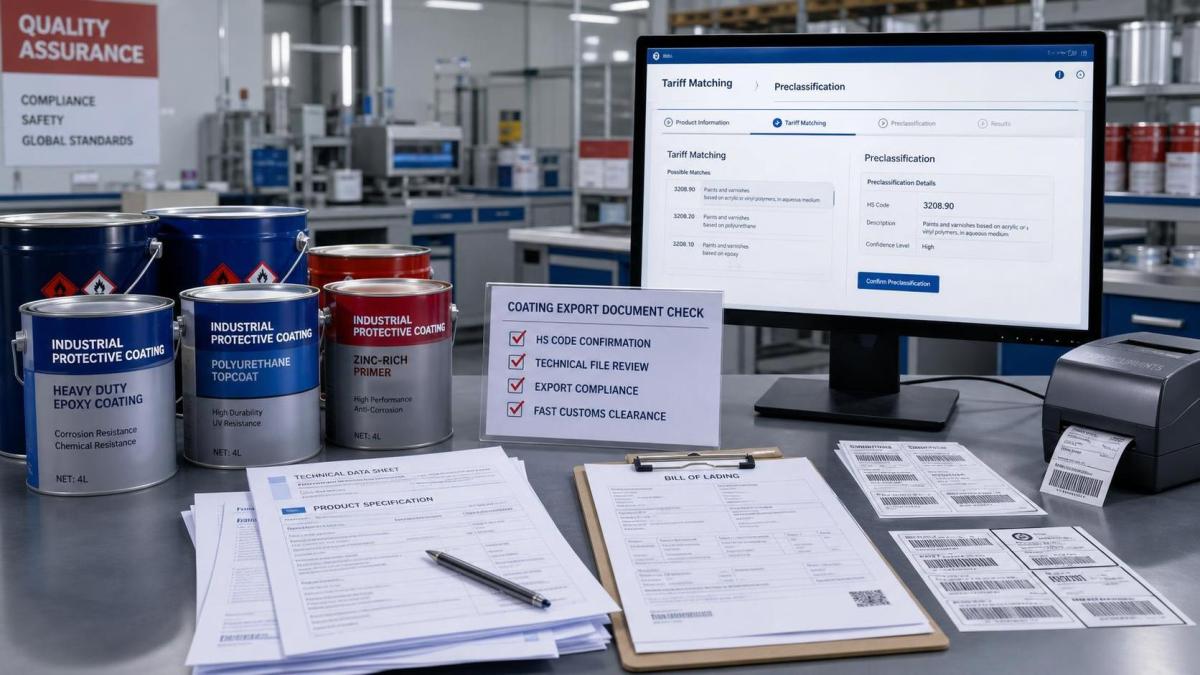
According to the notice issued on the same date, enterprises may submit technical parameters and formulation information in advance. The system then matches the applicable tariff treatment, including MFN, ASEAN, and Vietnam-related preferential rates, and generates a preclassification code for export clearance. The official summary says the average clearance time has been reduced from 72 hours to 43 hours.
Where the impact is likely to show up first
Exporters handling industrial coatings
For companies exporting industrial protective coatings, the most immediate effect is likely to be in declaration preparation and shipment scheduling. Analysis suggests that advance preclassification can reduce uncertainty around tariff treatment and clearance timing, which is especially relevant when buyers need predictable delivery windows and lower customs friction.
Traders and procurement teams
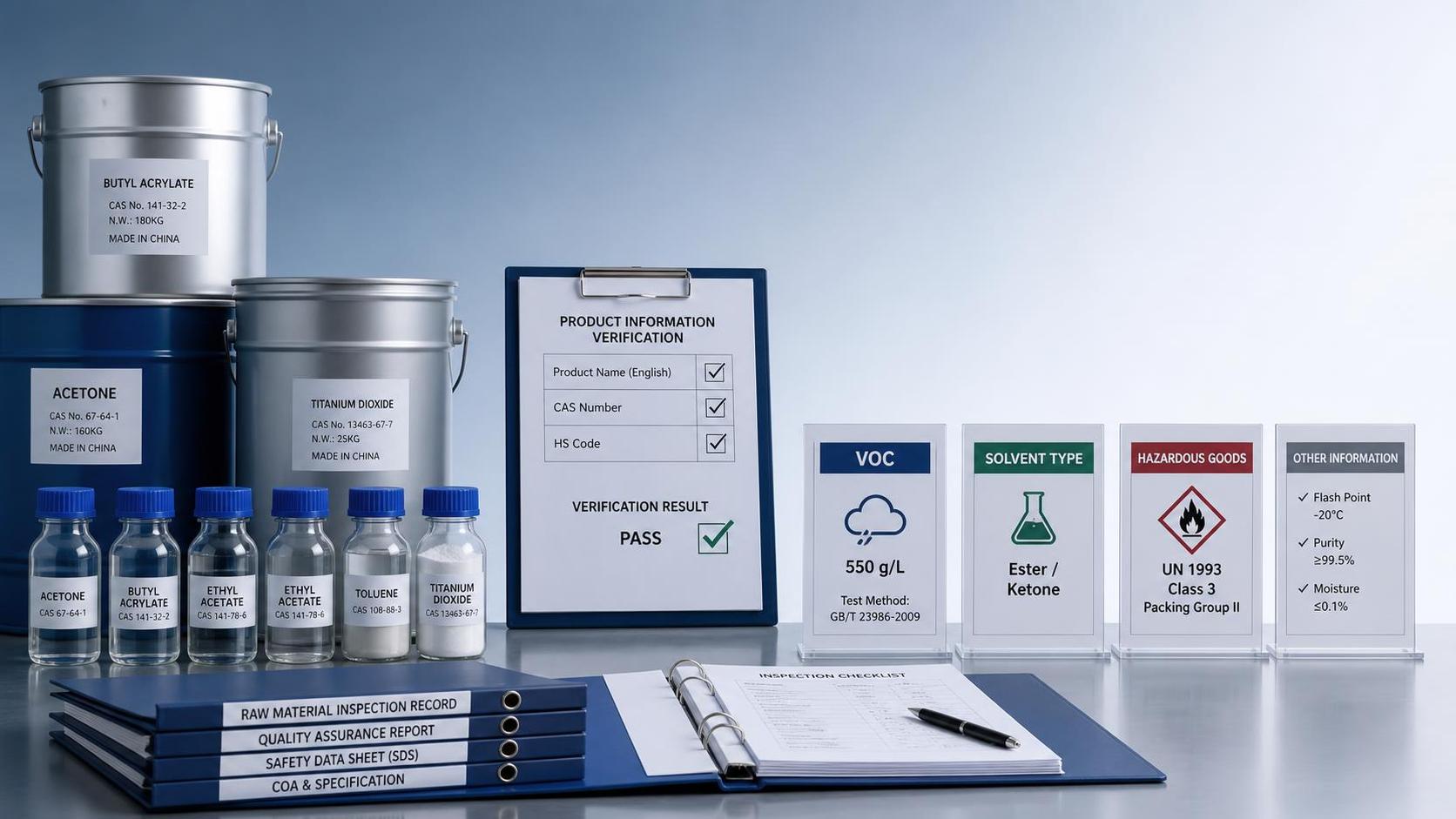
Trading firms and procurement functions may need to tighten product data collection, because the new process depends on technical parameters and formulations being filed before clearance. What deserves closer attention is whether internal product masters, specification sheets, and customs documents are aligned well enough to avoid rework at the border.
Supply-chain and documentation services
Logistics providers, customs brokers, and related supply-chain service firms may see a larger role in document normalization and pre-shipment review. At this stage, the practical issue is not only speed, but also whether the submitted technical materials can support accurate tariff matching across the preferential arrangements mentioned in the notice.
What companies should review now
Check product data against customs filing needs
Companies exporting the covered product range should verify whether existing technical descriptions, formulation records, and HS classification materials are complete enough for pre-submission. If internal records are inconsistent, the preclassification step may still create delays even though the channel itself is designed to shorten clearance time.
Review market-specific tariff handling
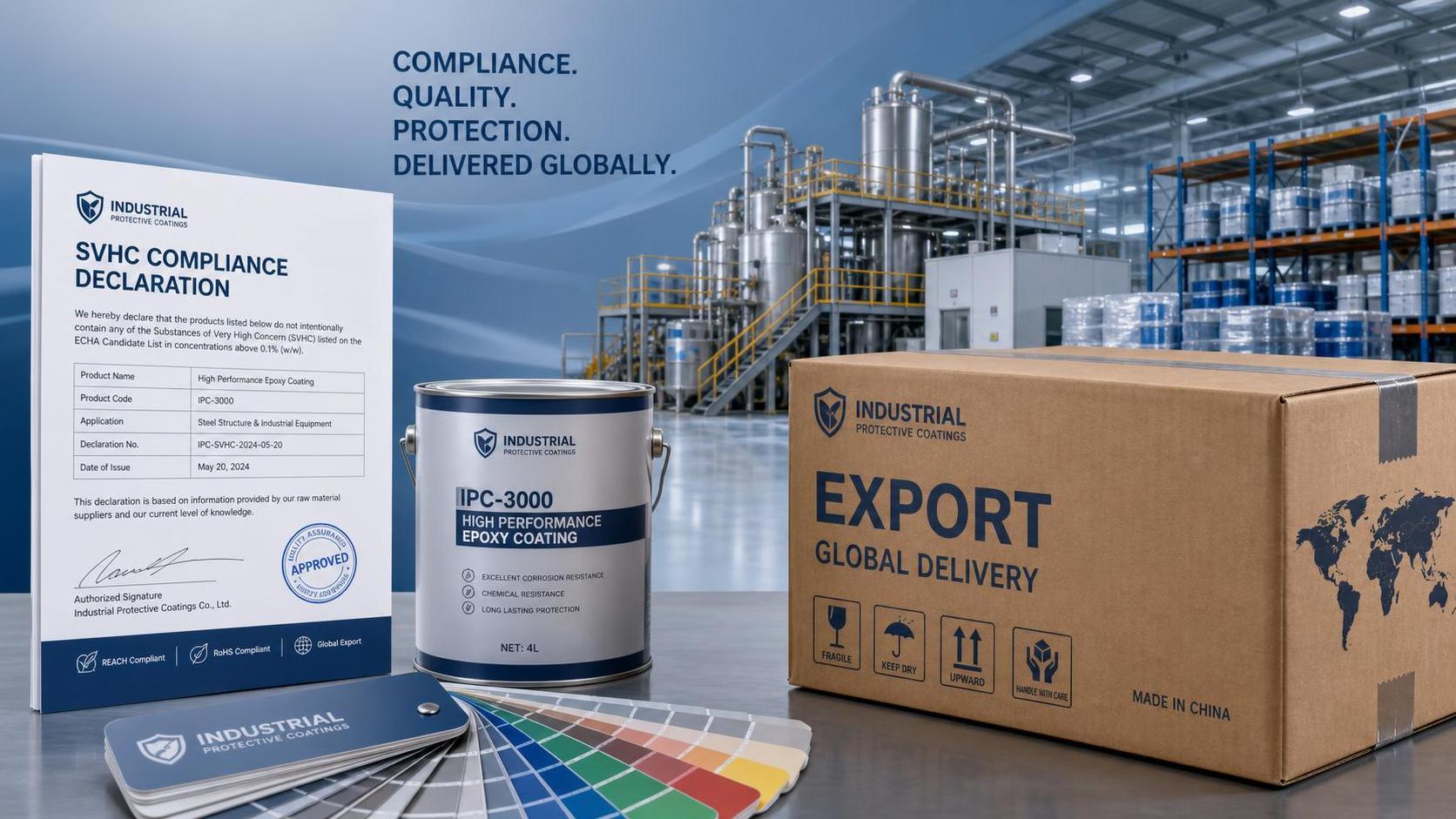
Because the system is described as matching MFN, ASEAN, and Vietnam-related preferential rates, firms should confirm which destination markets and trade arrangements are relevant to their shipments. The key operational question is whether tariff preference claims can be supported by the underlying documents used in the pre-review process.
Align shipment planning with new clearance timing
The reported drop in average clearance time is a useful signal, but it should be treated as an implementation indicator rather than a guarantee for every shipment. Exporters should still build in buffer time for document review, product verification, and any follow-up checks that may arise under the pilot.
How to read the policy signal
From an industry perspective, this looks more like a rule-implementation signal than a purely symbolic policy announcement. It shows customs clearance for certain chemical exports is moving toward more data-driven pre-review, with emphasis on upfront classification rather than post-submission correction. That said, the practical effect will depend on how consistently the pilot is applied across customs offices and how clearly the filing requirements are interpreted in day-to-day operations.
For the industry, the main thing to watch is whether the pilot remains limited to the specified product scope and whether later guidance adds more detail on acceptable technical inputs, document formats, and validation steps. Those follow-up details will shape whether the faster clearance time becomes routine or remains uneven across exporters.
What this means in practice
This development should be understood as an execution-level customs change with direct implications for export compliance and delivery planning, not as a broad market forecast. The immediate value is lower uncertainty in classification and tariff matching for covered paint products, while the longer-term significance depends on how the pilot is rolled out, audited, and received by exporters and import-side buyers.
Source basis and remaining points to verify
This article is based on the user-provided title, event date, and summary. The specific official source link was not provided in the input, so the notice details should continue to be verified against the customs authority's official publication and any later clarifications. For ongoing monitoring, companies should track the implementation scope, filing requirements, certification or documentation handling, trade execution outcomes, and feedback from enterprises using the pilot.