
Categories List
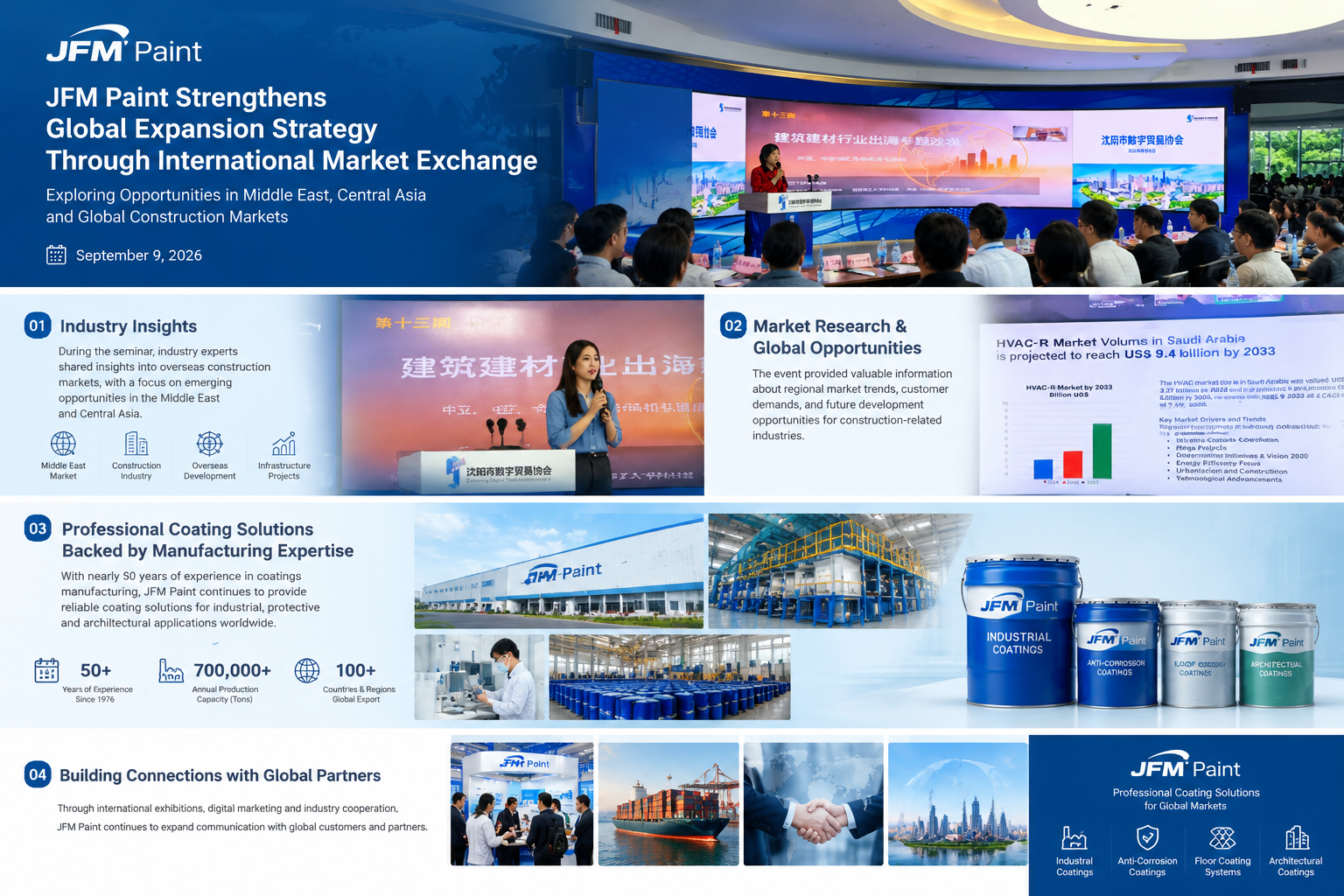
 JFM Paint Strengthens Global Expansion Strategy Through International Market ExchangeSep 10, 2026
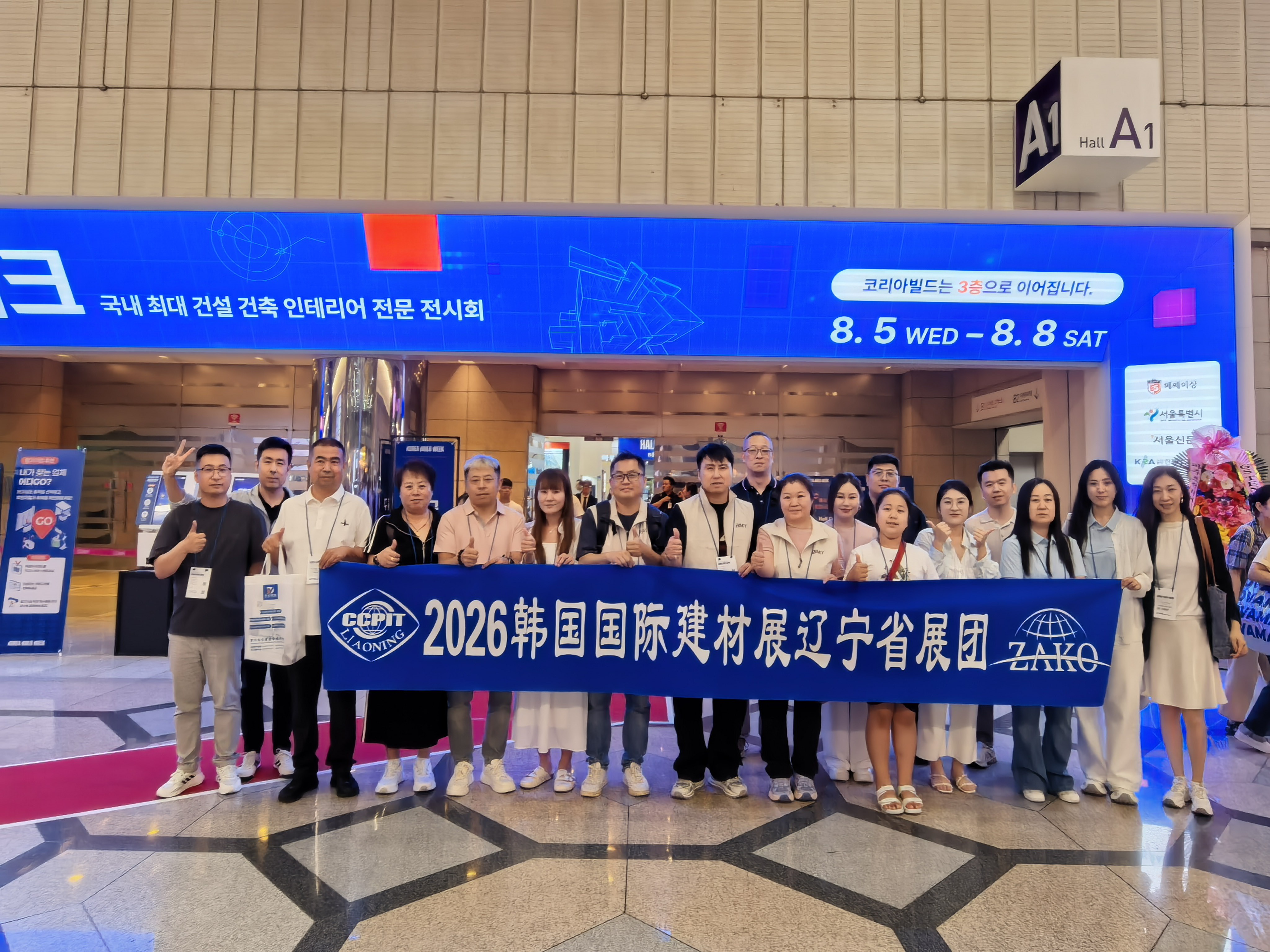
 JFM Paint Strengthens Global Presence Through Successful Participation in KOREA BUILD WEEK 2026Aug 27, 2026
 EU REACH Adds 12 New SVHCs, Forcing Industrial Coating Export Declarations UpdateAug 16, 2026
- Vietnam Rule: Industrial Coating Imports Need SVHC Declaration from China Starting Oct. 1Aug 15, 2026
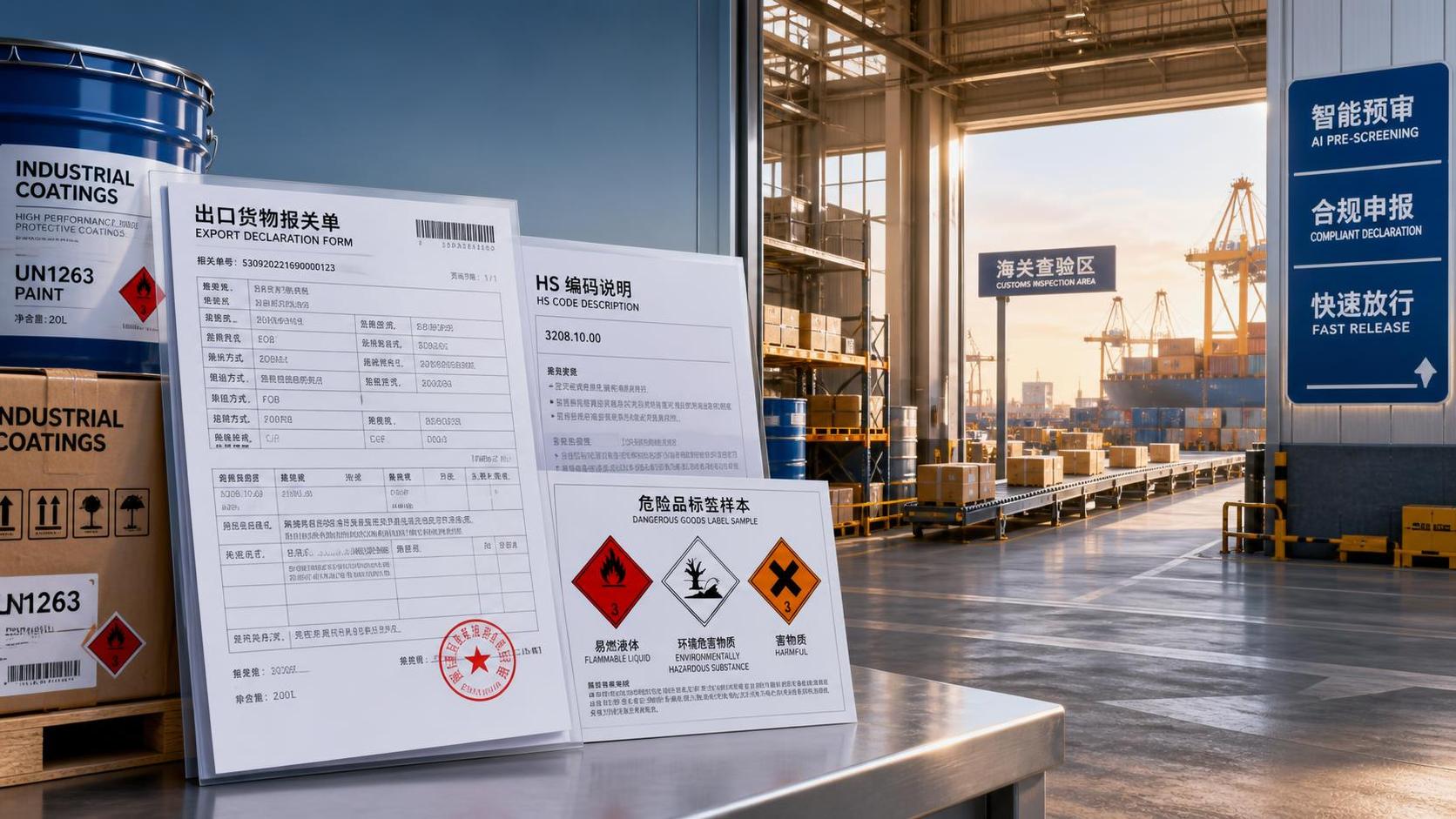
- China Customs Launches Paint Export PrecheckAug 14, 2026
- Nippon Paint Reacquires European Auto Coatings UnitAug 12, 2026


Leave A Reply

On August 11, 2026, Nippon Paint Holdings disclosed the completion of its equity acquisition of the European automotive coatings business previously held by its major shareholder, Wuthelam Group, with the business set to return to the listed company’s consolidated reporting scope in October 2026. From an industry perspective, this development matters less as a routine corporate transaction and more as a practical signal around supply-chain control, direct OEM service capability, and the compliance stability expected in cross-border automotive coating supply, especially for export-oriented auto parts manufacturers and secondary suppliers serving overseas vehicle makers.

What Has Been Confirmed So Far
Nippon Paint Holdings announced on August 11, 2026 that it had completed the acquisition of the European automotive coatings business from Wuthelam Group, its major shareholder, for EUR 47 million. According to the disclosed summary, the acquired business will formally re-enter the listed company’s consolidated financial statements in October 2026. The summary also indicates that this move marks the restart of Nippon Paint’s direct supply capability for European OEM coating services and may improve supporting responsiveness and compliant delivery stability for Chinese export-oriented automotive parts suppliers and secondary suppliers to overseas vehicle manufacturers.
Where the Execution Impact May Appear First
Export-oriented component makers may need to reassess coating supply alignment
Analysis shows that manufacturers shipping automotive parts into overseas supply chains may be among the first to feel the operational effect of this change. The reason is not simply supplier ownership, but whether a resumed direct OEM coating service structure changes how coating specifications, technical documentation, supply coordination, and delivery accountability are handled. What deserves closer attention is whether customers begin to reflect this shift in sourcing preferences, approval workflows, or supporting document requests tied to coating systems used in export programs.
Secondary suppliers to overseas vehicle makers should watch compliance handoff points
For second-tier suppliers serving overseas vehicle manufacturers, the immediate issue is often not product demand but execution consistency. Observably, any restoration of direct OEM-facing service capability can affect how coating-related requirements are communicated across the chain, including qualification materials, traceability expectations, and delivery coordination. Companies in this position should pay close attention to whether procurement teams or upstream customers ask for updated supplier information, revised technical files, or refreshed quality and compliance records.
Procurement and supply-chain service teams may see changes in delivery planning
Purchasing teams and supply-chain service providers may also need to monitor how this development affects scheduling and fulfillment assumptions. From an industry perspective, if direct service capability in Europe becomes operationally clearer after the business returns to consolidated reporting in October 2026, buyers may begin adjusting procurement sequencing, supplier confirmation steps, or contingency arrangements. That does not yet amount to a confirmed market-wide rule change, but it is a meaningful execution signal for businesses managing cross-border coating supply and delivery commitments.
What Companies Should Watch in Practice
Check whether customer-facing compliance documents need updates
Analysis shows that companies using automotive coatings in export supply chains should review whether customer submissions, technical declarations, or supplier files may need updating once the business is formally back within the listed company’s reporting perimeter in October 2026. The current information does not confirm any mandatory documentation change, so this remains a monitoring point rather than an established requirement.
Track procurement language and bid documentation for changes in supplier recognition
What deserves closer attention is whether procurement documents, bid materials, or technical alignment files begin to refer differently to service scope, direct supply capability, or supplier qualification status after the transaction is reflected in consolidated reporting. Companies should treat this as a practical watchpoint in tendering and customer communication rather than assume an immediate automatic shift.
Review delivery risk controls for export programs and after-sales traceability
For manufacturers exposed to overseas delivery commitments, it is reasonable to review how coating supply arrangements connect to delivery timing, replacement supply, and quality traceability. Observably, the value of a more direct service structure often appears in execution discipline rather than in headline transaction language. Because no detailed implementation mechanism has been provided in the input, companies should focus on preparedness and verification instead of assuming resolved delivery risk.
Monitor official wording and market follow-through after October 2026
The October 2026 reporting reintegration date is an important reference point, but it should not be treated as proof that all downstream commercial or compliance processes will change at the same pace. From an industry perspective, the more useful approach is to monitor how official disclosures, customer requirements, and operating practice develop after that point.
Why This Looks More Like an Execution Signal Than a Finished Rule Shift
Analysis shows that this item is best understood as an execution-oriented signal tied to supply-chain autonomy, service directness, and compliance delivery reliability rather than as a standalone new regulation or formal trade rule. Even so, it reflects the kind of structural adjustment that can influence how market participants interpret supplier control, reporting clarity, and fulfillment credibility. That is why the development deserves attention from companies involved in export manufacturing, cross-border procurement, and OEM-linked coating applications. At this stage, the market still needs to observe whether related compliance expectations, tender wording, or customer-side qualification practices change in response.
How the Market Should Read This Development Now
At present, it is more appropriate to understand this development as a concrete operational change with possible implications for supply-chain governance and compliant delivery, rather than as a fully settled market outcome. The confirmed facts are limited but meaningful: ownership has changed, direct European OEM coating service capability has been restarted, and consolidated reporting will resume in October 2026. The broader impact on procurement behavior, documentation practice, and supply-chain execution remains something the industry should track carefully rather than overstate.
Basis of This Article and What Still Needs Verification
This article is generated from the user-provided news title, event date, and event summary. For events of this type, commonly relevant source categories may include company announcements, regulatory disclosures, trade or customs authority updates, industry association releases, standard-setting documents, and reporting by established business media. A specific official source link was not provided in the input, so the underlying disclosure path still requires further verification. Follow-up observation should focus on later official wording, certification or compliance interpretation, bid-document changes, industry feedback, and how companies actually implement related supply-chain and delivery arrangements.