
Categories List
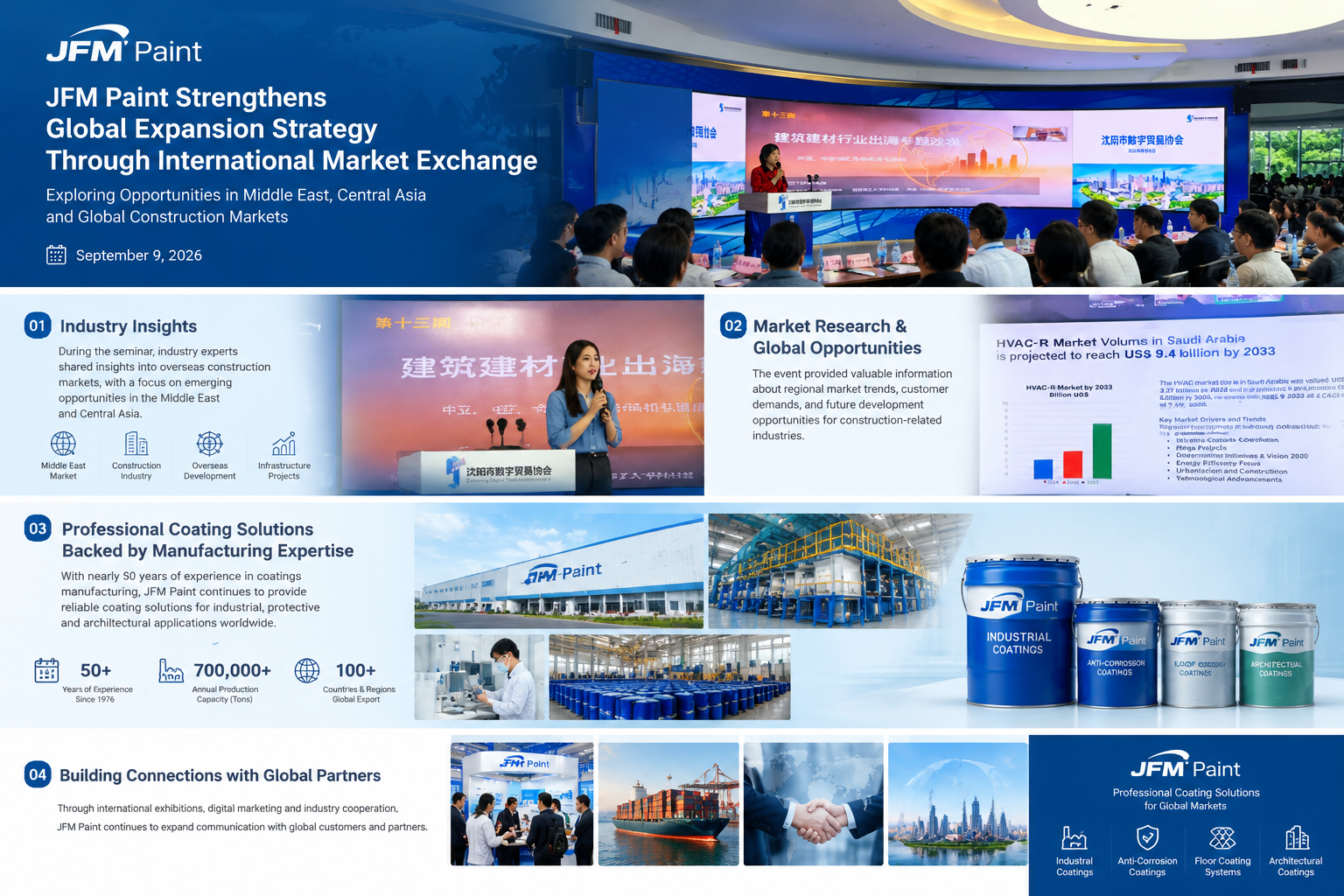
 JFM Paint Strengthens Global Expansion Strategy Through International Market ExchangeSep 10, 2026
 JFM Paint Strengthens Global Presence Through Successful Participation in KOREA BUILD WEEK 2026Aug 27, 2026
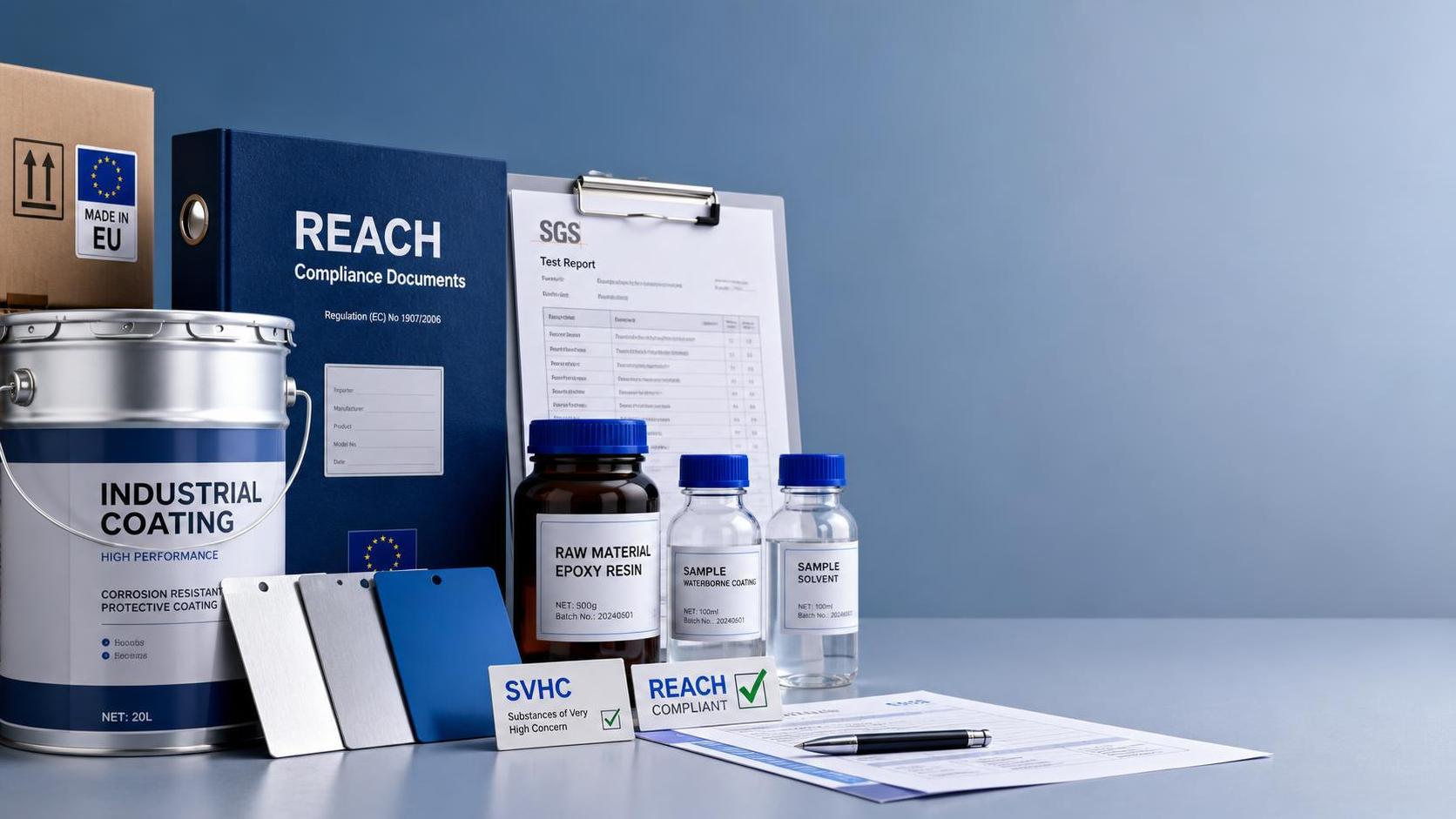
 EU REACH Adds 12 New SVHCs, Forcing Industrial Coating Export Declarations UpdateAug 16, 2026
- Vietnam Rule: Industrial Coating Imports Need SVHC Declaration from China Starting Oct. 1Aug 15, 2026
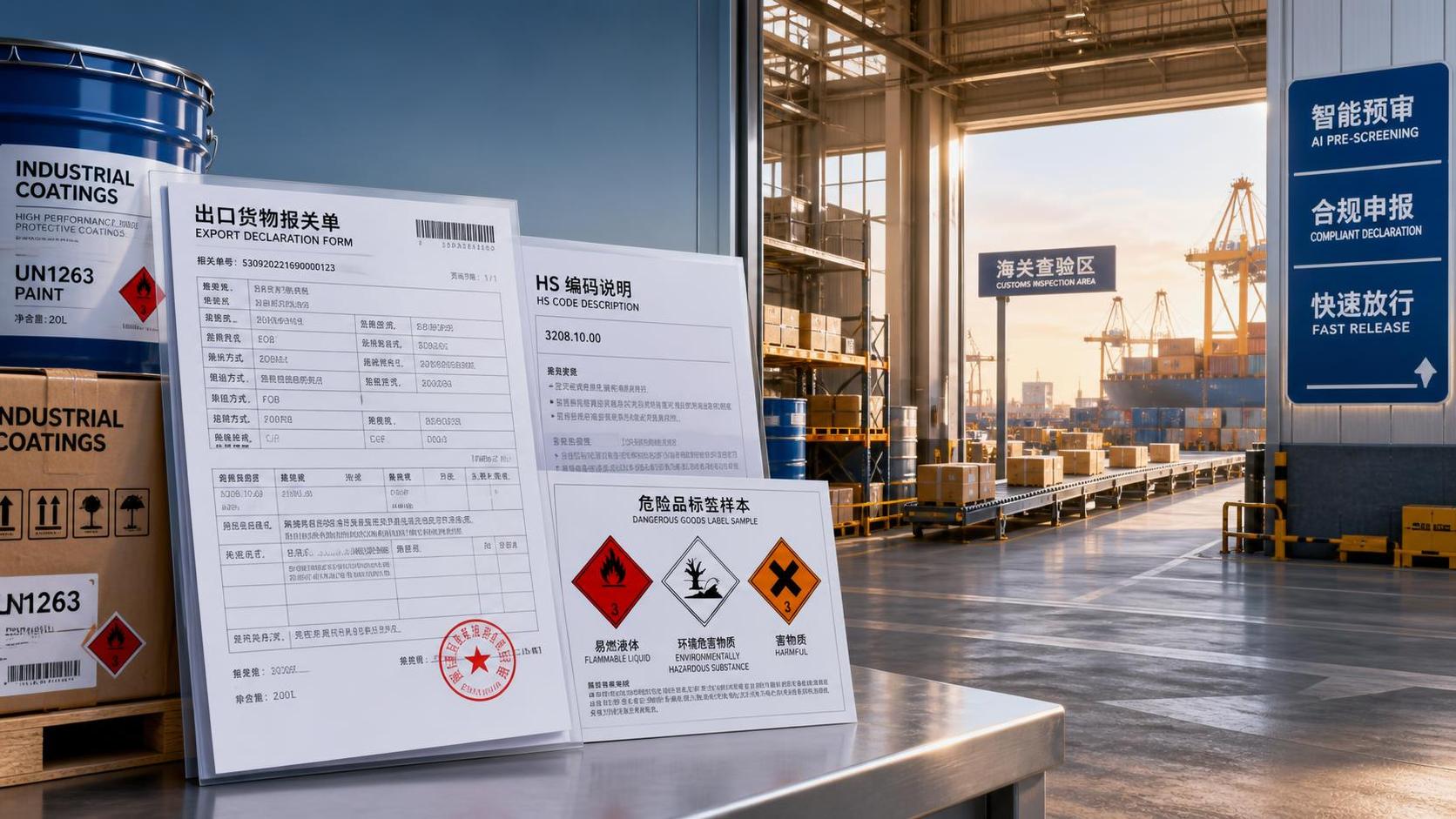
- China Customs Launches Paint Export PrecheckAug 14, 2026
- Nippon Paint Reacquires European Auto Coatings UnitAug 12, 2026


Leave A Reply
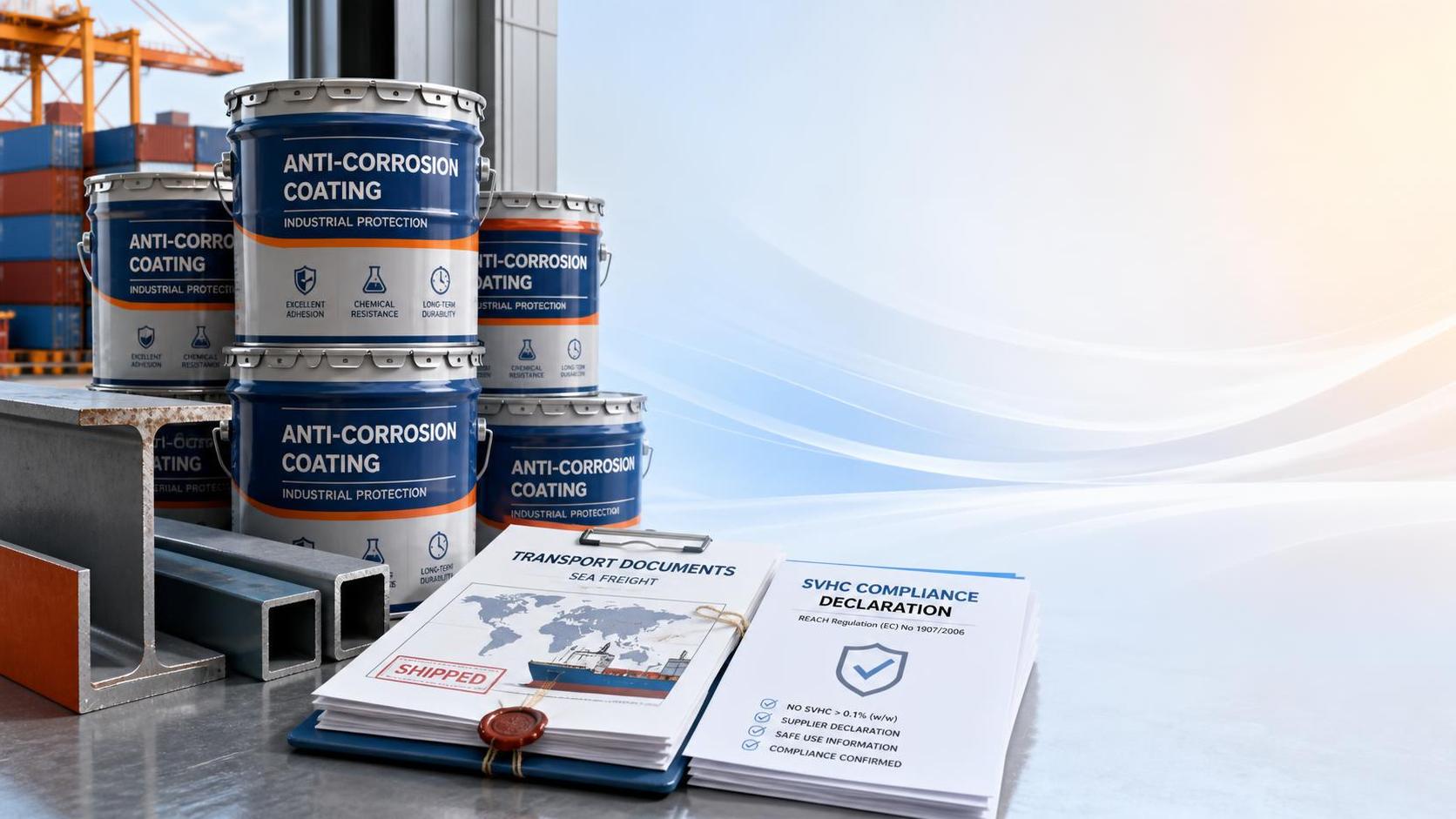
On 2026-10-01, Vietnam’s new import compliance step for industrial protective coatings moves from announcement to execution, requiring shipments of anti-corrosion, marine, and steel-structure coatings to be accompanied by a China-manufacturer declaration that REACH SVHC substances are at or below 0.1%, with pre-review filing by Vietnam’s designated certification body, QUACERT. For exporters, importers, and compliance teams in the industrial coating chain, this is less a general policy signal than a direct document-and-clearance requirement that may affect customs release and delivery timing.
What the new filing requirement covers
According to the information provided, Vietnam’s Ministry of Industry and Trade issued Circular No. 28/2026/TT-BCT on 2026-08-14. From 2026-10-01, all industrial protective coatings imported into Vietnam, including anti-corrosion, marine, and steel-structure coatings, must be accompanied by a conformity declaration issued by the Chinese manufacturer stating that REACH SVHC substances do not exceed 0.1%. The same requirement also calls for pre-filing with QUACERT, Vietnam’s designated certification body. The stated consequence for non-compliance is refusal at the border or customs delays.

Where the impact is most likely to appear
Exporters handling industrial coatings
Direct exporters are likely to feel the earliest impact because the requirement is tied to cross-border delivery documents. In practice, the compliance burden shifts upstream into product certification, supplier declarations, and shipment preparation. For Chinese industrial coating exporters, the issue is not only whether the product meets the stated chemical threshold, but whether the required declaration can be produced in the format and timing acceptable for import filing.
Importers and procurement teams
Importers and purchasing teams in Vietnam may need to recheck supplier qualification before placing orders. Analysis suggests that this kind of rule change can alter procurement lead times, because buyers may need to verify documents before cargo departs rather than after arrival. What deserves closer attention is whether procurement contracts, delivery schedules, and acceptance terms are updated to reflect the declaration and pre-review step.
Certification and testing service providers
Certification bodies, compliance advisers, and testing service providers may see higher demand for document review and supporting evidence preparation. The practical focus is likely to be on whether product dossiers, conformity statements, and any related test records are sufficient to support the manufacturer declaration. At this stage, it is more appropriate to treat this as a documentation readiness issue rather than a purely laboratory testing issue.
Logistics and customs-facing service firms
Supply-chain service providers that coordinate shipping, customs clearance, or trade compliance will need to account for the new filing step in their process flow. The main risk is not product performance alone, but clearance friction caused by missing or mismatched paperwork. In this setting, document completeness becomes part of delivery reliability.
What companies should check now
Confirm the declaration path before shipment
Companies should verify who will issue the China-manufacturer declaration, what wording is required, and how that document will be matched to the shipment. Since the summary indicates that the declaration must accompany the import and be pre-reviewed by QUACERT, any gap between internal documentation and the Vietnamese filing requirement may create clearance risk.
Review product scope and material records
The rule applies to industrial protective coatings, including anti-corrosion, marine, and steel-structure coatings. Firms should confirm whether their product lines fall within that scope and whether existing chemical compliance records support the stated SVHC threshold. Where product formulations or supply inputs vary, document control becomes especially important.
Adjust purchasing and delivery timelines
Because the requirement may affect customs release, buyers and sellers should factor extra time into shipment planning. Analysis suggests that even when the product itself is compliant, missing pre-review filing or incomplete supporting papers could delay clearance. That makes timing coordination part of compliance, not just logistics.
Watch for execution details and filing practice
The provided information identifies the rule and its start date, but not the full operational details of how QUACERT will handle filings in practice. Companies should continue to monitor the official execution口径, document format expectations, and any later clarifications that may affect day-to-day use.
How to read this change
This development should be understood as a concrete execution signal rather than a broad policy statement. The rule appears to connect chemical compliance, manufacturer declarations, and import clearance into one workflow, which raises the compliance bar for exporters selling industrial coatings into Vietnam. At the same time, the practical effect will depend on how strictly the filing and declaration steps are enforced in live customs handling. For now, the safest reading is that this is a rule-discipline change with immediate operational consequences, and not merely a background regulatory update.
What it means for the market
More broadly, the case shows that trade access for industrial coatings is increasingly tied to upstream compliance documentation, not just product classification or commercial terms. For companies active in Vietnam-bound shipments, the issue is whether their compliance chain can produce a usable declaration on time, supported by records that satisfy both manufacturer and import-side review. The event is therefore best treated as an active compliance requirement with likely short-term effects on shipment preparation, document control, and customs coordination.
Source basis and what still needs verification
This article is based on the user-provided title, event date, and summary. Typical source types for this kind of development include official notices from the competent ministry, regulatory or customs guidance, designated certification body notices, and industry compliance updates. A specific official source link was not provided in the input, so the original circular text, QUACERT filing practice, and any later enforcement clarification still need to be verified directly before operational use.