
Categories List
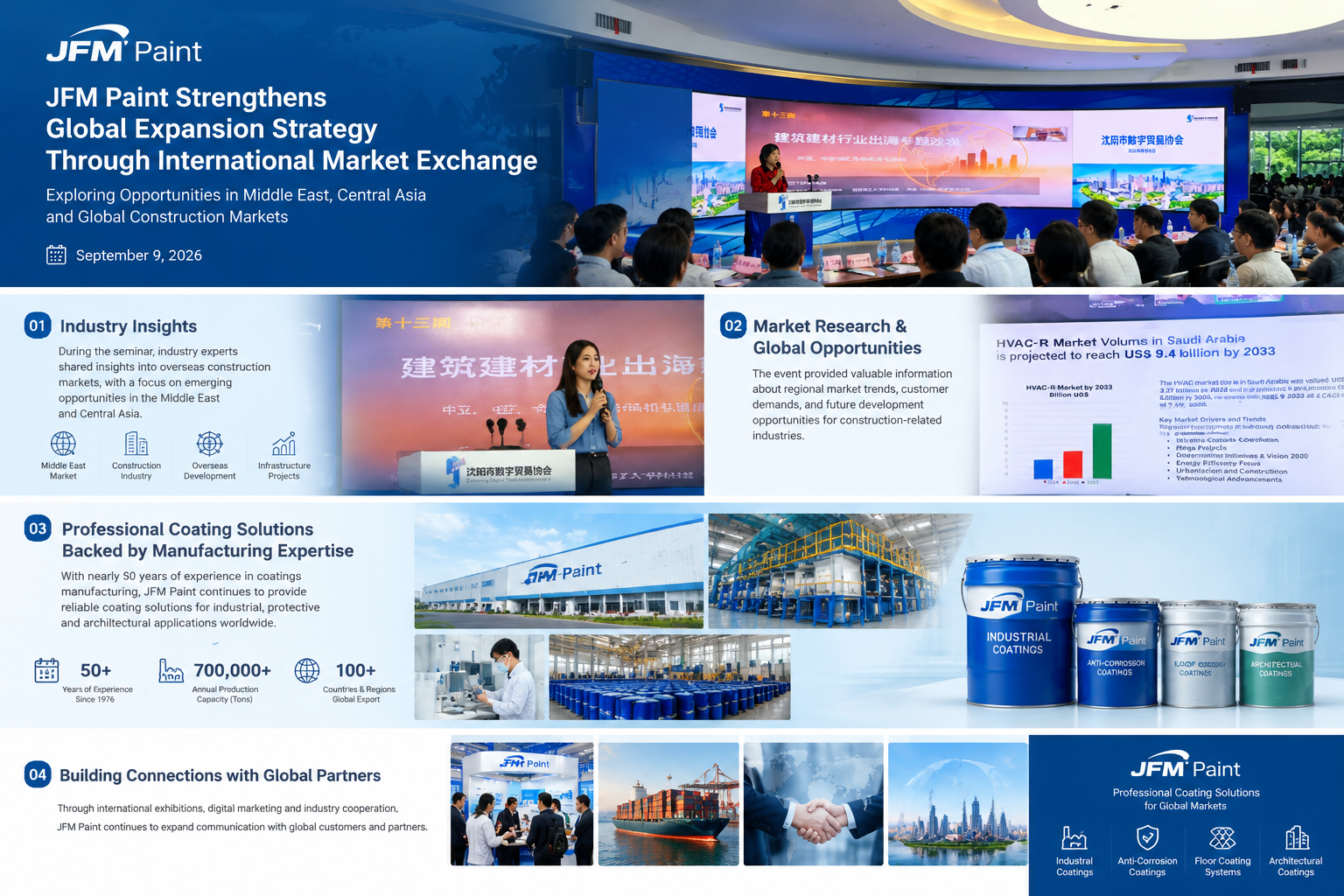
 JFM Paint Strengthens Global Expansion Strategy Through International Market ExchangeSep 10, 2026
 JFM Paint Strengthens Global Presence Through Successful Participation in KOREA BUILD WEEK 2026Aug 27, 2026
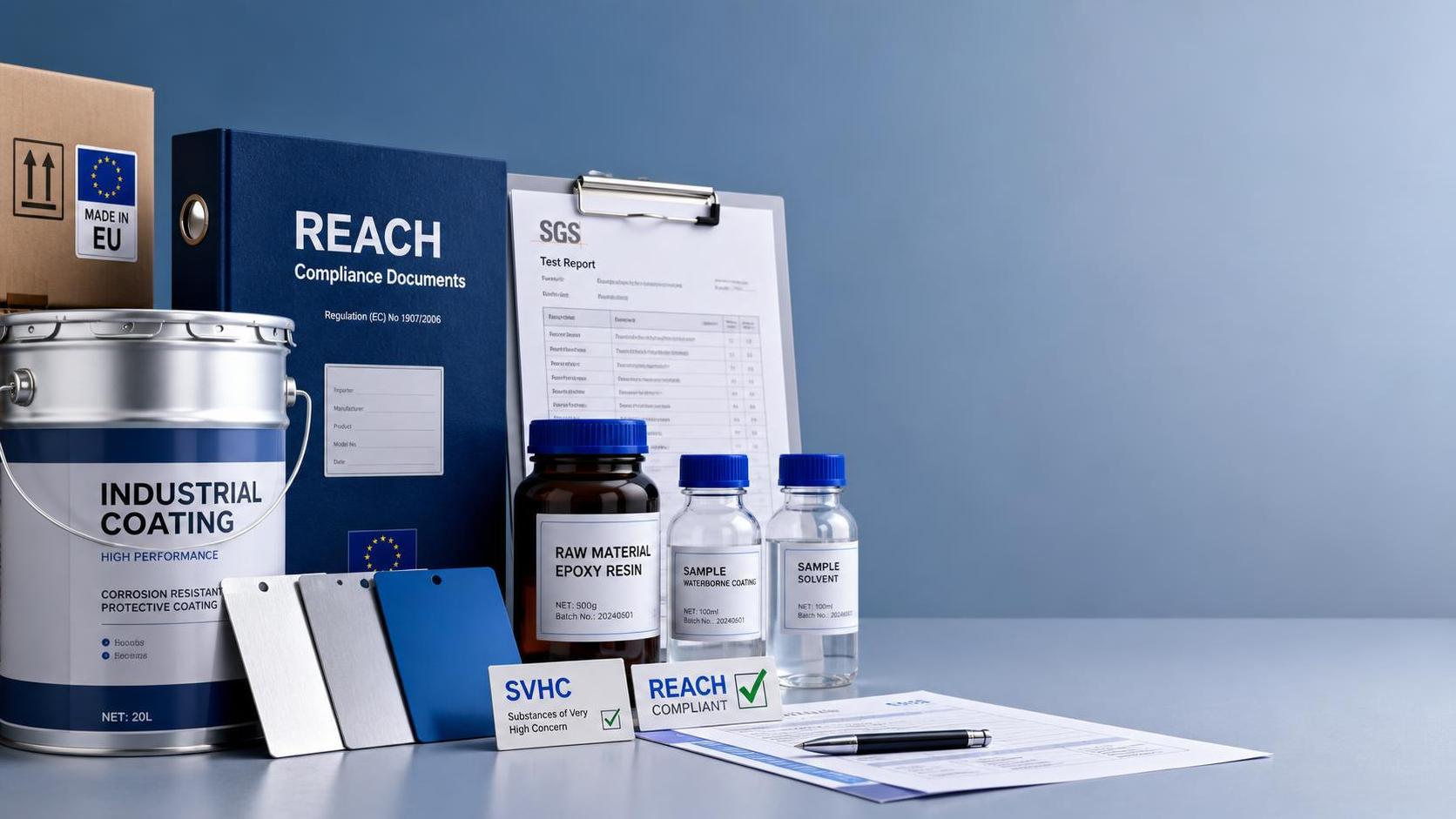
 EU REACH Adds 12 New SVHCs, Forcing Industrial Coating Export Declarations UpdateAug 16, 2026
- Vietnam Rule: Industrial Coating Imports Need SVHC Declaration from China Starting Oct. 1Aug 15, 2026
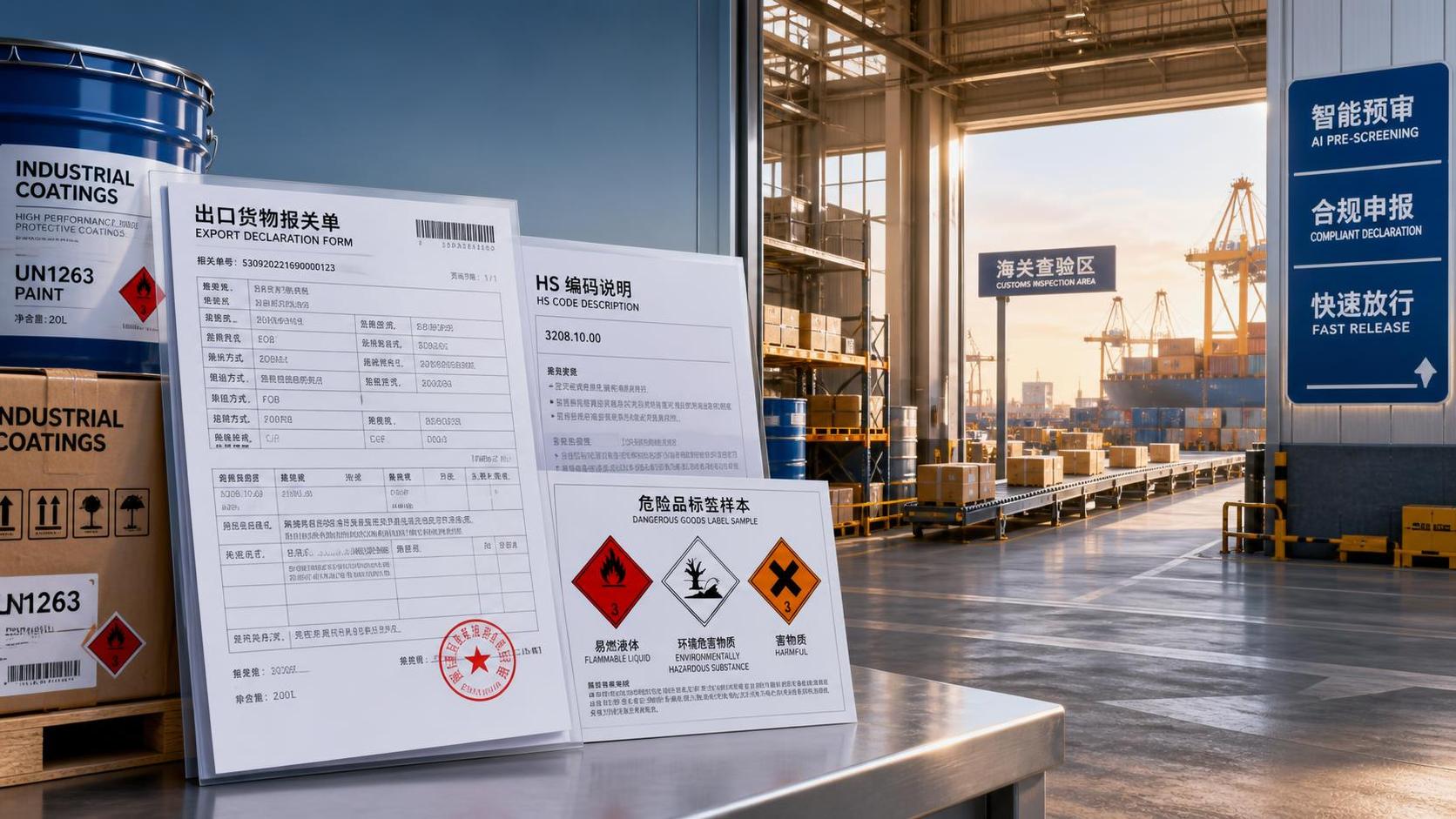
- China Customs Launches Paint Export PrecheckAug 14, 2026
- Nippon Paint Reacquires European Auto Coatings UnitAug 12, 2026



Leave A Reply
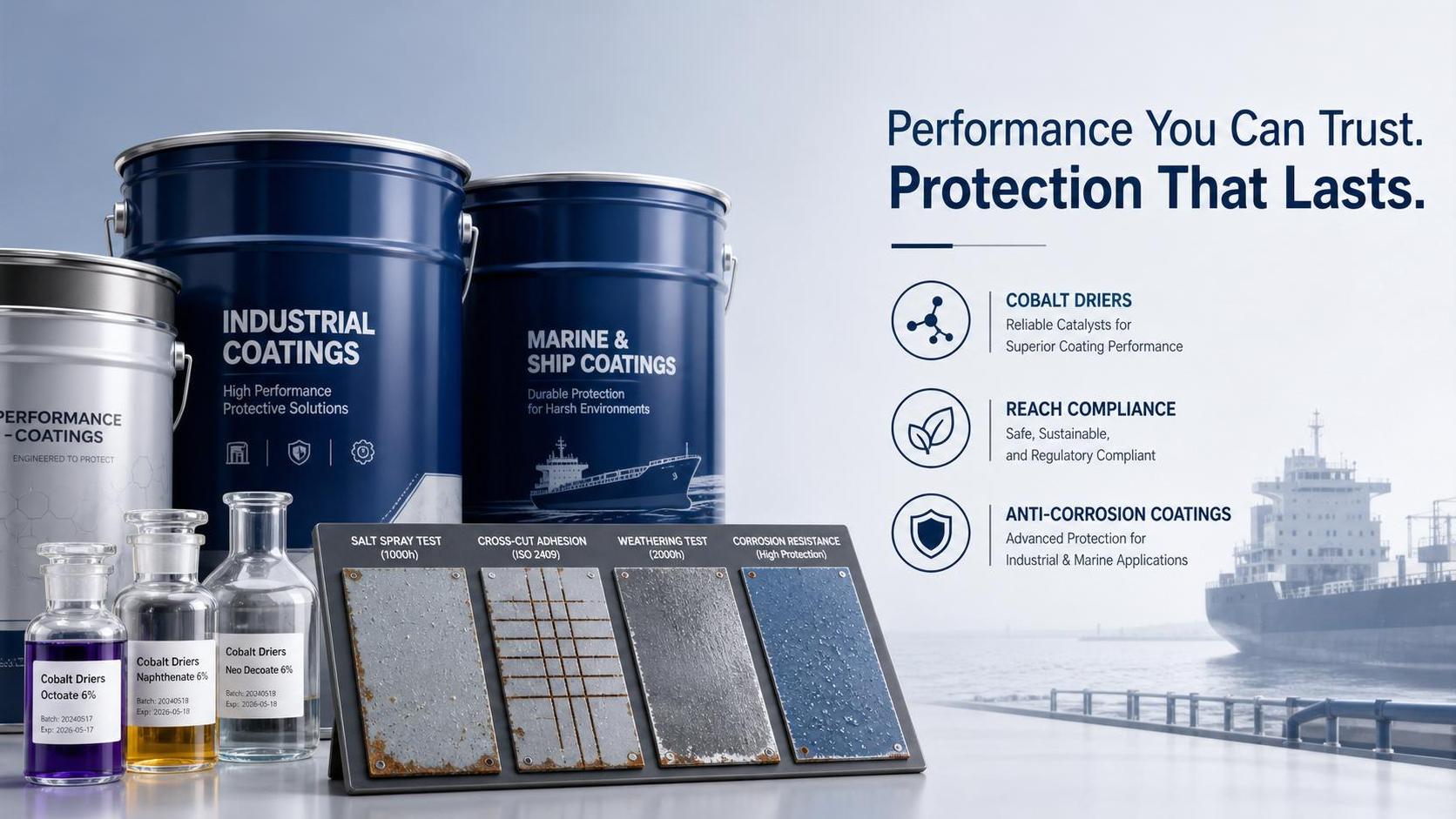
On 4 July 2026, the European Commission officially adopted amendments to REACH Annex XVII that will restrict cobalt-based driers in industrial coatings from 1 July 2027. The move puts immediate attention on exporters serving the EU market, especially where anti-corrosion paints for steel and marine use are involved, because the issue is no longer limited to formulation strategy alone but also extends to documentation, pre-market compliance checks, and shipment risk.

What Has Been Officially Adopted
The confirmed development is that the European Commission has adopted amendments to REACH Annex XVII covering cobalt-based driers used in industrial coatings. The restriction applies to coatings including anti-corrosion paints for steel and marine applications, and it will take effect on 1 July 2027.
The information provided also makes clear that suppliers exporting to EU markets will need to carry out reformulation, update Safety Data Sheets (SDS), and complete pre-market compliance verification. It further states that non-compliant batches may face customs rejection or withdrawal from the market.
Where the Pressure Will Be Felt First
Export-facing coating suppliers will face direct compliance pressure
From an industry perspective, suppliers shipping industrial coatings into the EU are the most directly exposed group because the restriction is tied to market access. The main impact is likely to appear in product formulation review, export documentation, and release-to-market checks before goods move into EU channels.
Manufacturers serving steel and marine applications need product-level review
Manufacturers involved in anti-corrosion paints for steel and marine use may be affected because these application areas are specifically named in the event summary. What deserves closer attention is whether affected product lines rely on cobalt-based driers and whether existing product files and compliance materials remain usable under the new restriction timeline.
Trade and supply chain teams will need tighter shipment control
Observably, the impact is not limited to technical teams. Trade operations, customs-facing functions, and supply chain service roles may also feel pressure because non-compliant batches risk rejection at the border or removal from the market. In practice, that shifts attention to batch release procedures, document accuracy, and timing around deliveries into the EU.
EU buyers and downstream users may demand earlier confirmation
Buyers sourcing for EU-facing projects may respond by asking for earlier compliance confirmation before purchase or shipment. Analysis shows this can affect supplier communication, order qualification, and acceptance standards, even before the effective date arrives.
What Companies Should Watch Now
Separate the legal effective date from the preparation window
The restriction takes effect on 1 July 2027, but the operational workload starts earlier. Companies should closely track which products exported to the EU may require reformulation and avoid treating the effective date as the point when action begins.
Review SDS updates alongside formulation changes
The provided information specifically mentions updated SDS. That means companies should not view reformulation as a standalone task. Product data, hazard communication materials, and customer-facing compliance documents need to move together.
Build pre-market verification into shipment release
Because pre-market compliance verification is explicitly required in the summary, businesses should pay attention to where this check sits in their internal process. The practical issue is whether compliance is confirmed before production completion, before export booking, or before customs-facing documentation is finalized.
Prepare for customer and border-side questions on non-compliant lots
The stated risk of customs rejection or market withdrawal makes batch-level control important. What deserves closer attention is how companies will identify affected lots, communicate status to customers, and manage delivery commitments where EU-bound goods are involved.
Why This Looks Like More Than a Routine Update
Analysis shows this development is better understood as a concrete regulatory result rather than a tentative policy signal, because the amendment has already been officially adopted and an effective date has been set. At the same time, it is also a transition-period issue, since businesses still have time before 1 July 2027 to adjust formulations, documents, and compliance workflows.
Observably, the key industry question is not whether the restriction exists, but how quickly affected suppliers can convert that legal change into operational readiness. That is why this remains an active topic for continued monitoring rather than a one-day compliance headline.
How This News Is Best Understood
At this stage, the restriction should be read as an actionable compliance development with direct consequences for EU-bound industrial coatings, especially in steel and marine anti-corrosion applications. It is not merely a short-term news item, but it also should not be overstated as a complete market reset based on the limited facts provided.
A neutral reading is that the amendment creates a defined compliance deadline and shifts attention to reformulation, SDS revision, and verification before market entry. For affected companies, the immediate priority is preparation quality rather than broad speculation about wider market outcomes.
Basis of This Article and Ongoing Verification
This article is based on the user-provided news title, event date, and event summary concerning the European Commission's adoption of new REACH Annex XVII restrictions on cobalt in paints. The specific official source link was not provided in the input, so the underlying wording and any future implementation details still require continued verification.
For this type of development, relevant source categories usually include official regulatory announcements, company compliance notices, industry association updates, authoritative media coverage, and standard or regulatory documentation. Continued attention should focus on any further official clarification, implementation wording, and market-side compliance practices related to EU exports.