
Categories List
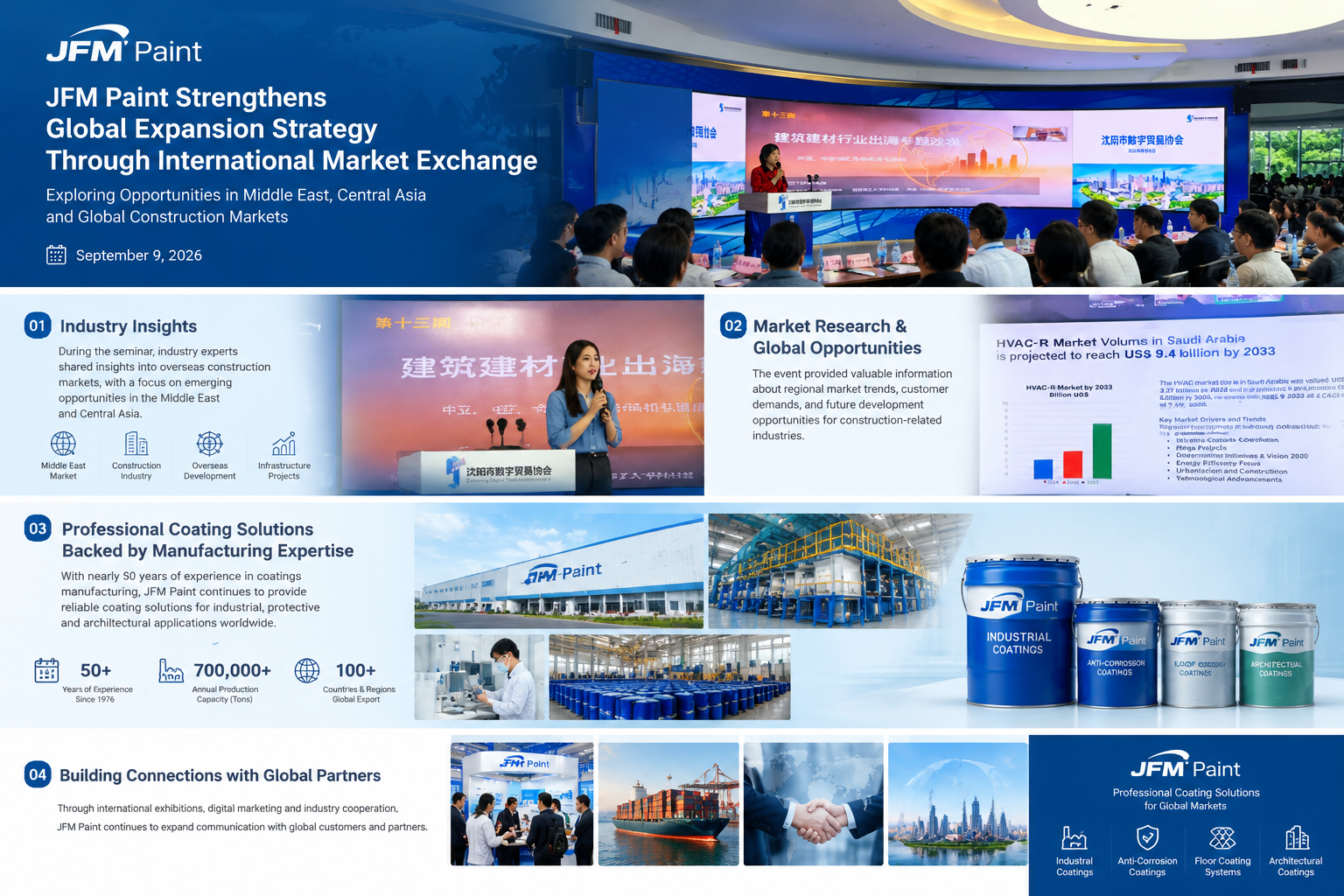
 JFM Paint Strengthens Global Expansion Strategy Through International Market ExchangeSep 10, 2026
 JFM Paint Strengthens Global Presence Through Successful Participation in KOREA BUILD WEEK 2026Aug 27, 2026
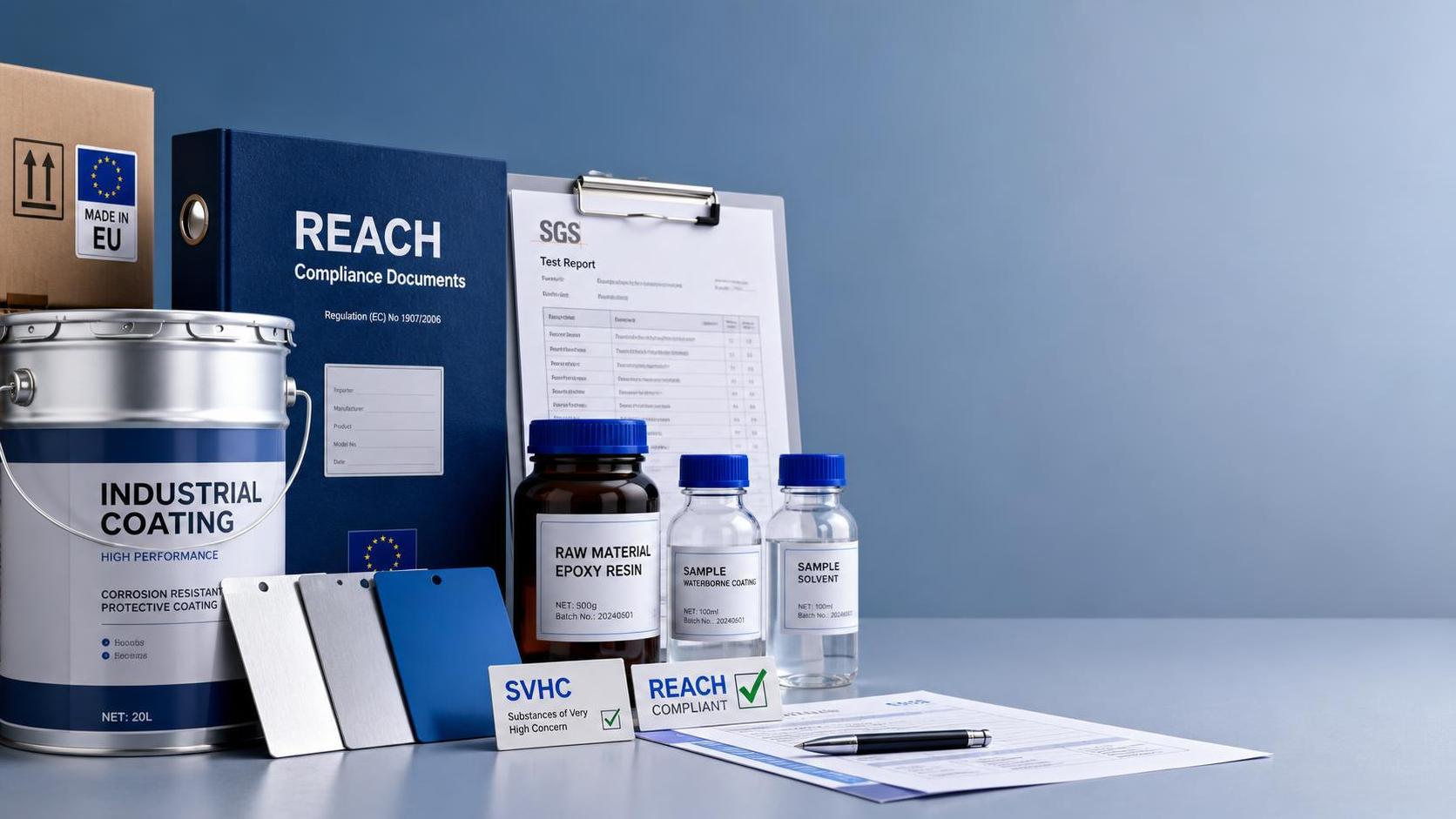
 EU REACH Adds 12 New SVHCs, Forcing Industrial Coating Export Declarations UpdateAug 16, 2026
- Vietnam Rule: Industrial Coating Imports Need SVHC Declaration from China Starting Oct. 1Aug 15, 2026
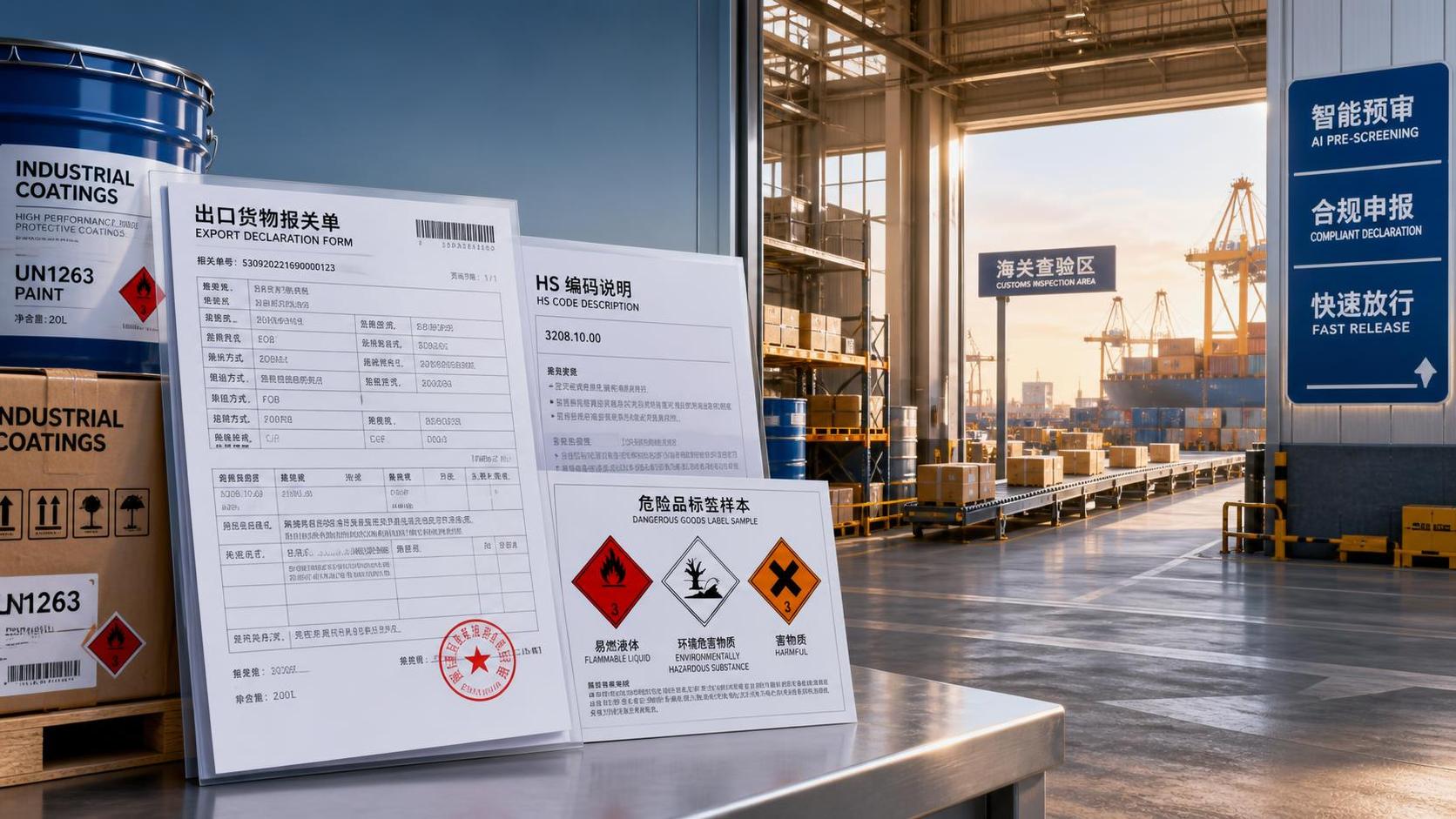
- China Customs Launches Paint Export PrecheckAug 14, 2026
- Nippon Paint Reacquires European Auto Coatings UnitAug 12, 2026



Leave A Reply

On July 3, 2026, the U.S. Environmental Protection Agency published a proposed rule that would tighten VOC limits for industrial maintenance and protective coatings, with a stated effective point of January 2027. The proposal draws attention across coating supply chains tied to steel structures, marine use, infrastructure, and offshore projects, especially where solvent-based epoxies and polyurethanes remain central to product delivery. For importers, distributors, manufacturers, and procurement teams, the issue is not only regulatory language but also how certification, formulation, and sourcing arrangements may need to adjust if the rule moves forward.
What the EPA Proposal Specifically Covers
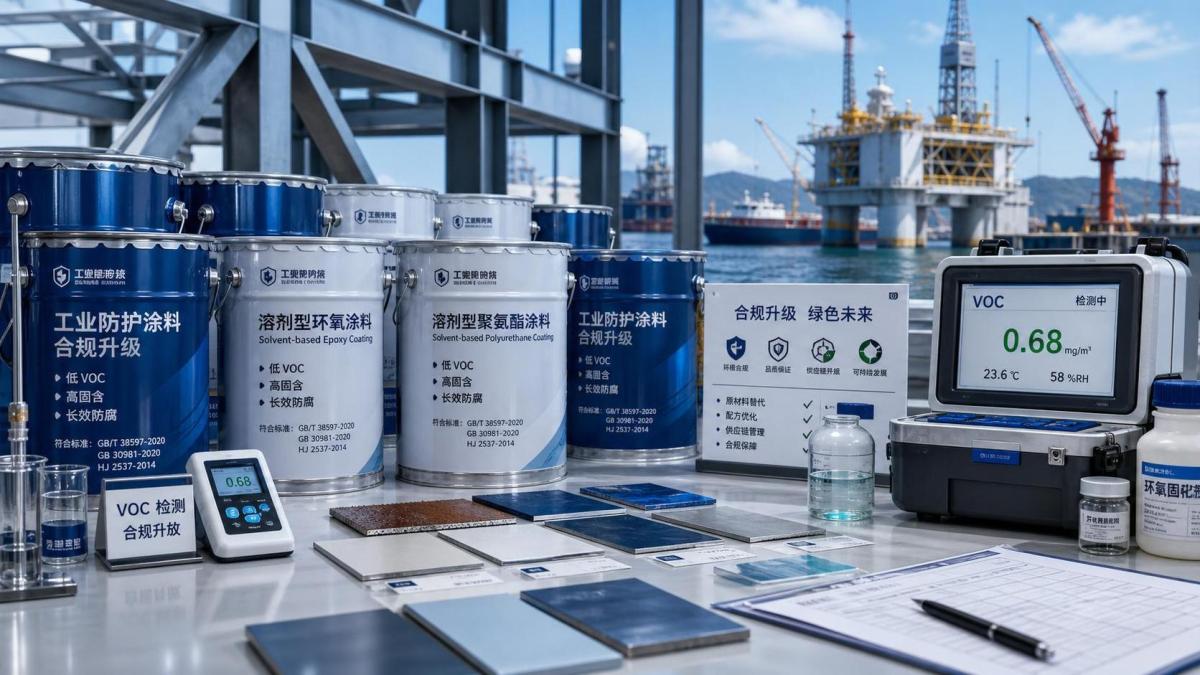
According to the information provided, the EPA released the proposed rule on July 3, 2026. The proposal would lower VOC limits for industrial maintenance and protective coatings by as much as 35% compared with current NESHAP standards. The focus is especially on coatings used for steel structures and marine applications.
The products identified in the summary are solvent-based epoxies and polyurethanes that are widely used in infrastructure and offshore projects. The same summary also indicates that overseas importers and distributors should prepare for updated certification requirements, reformulation work, and possible supply chain adjustments when sourcing from China or other exporting countries.
Where Pressure May Appear Across the Supply Chain
Import channels may face a documentation and compliance review
From an industry perspective, overseas importers and direct trade businesses may be among the first to feel the impact because the proposal points directly to updated certification needs. The likely pressure point is the import compliance process itself: product qualification, technical files, and communication with upstream suppliers may all require closer review if current coating specifications do not align with the proposed VOC thresholds.
Manufacturers may need to reassess formulation paths
Analysis shows that coating manufacturers and processors connected to solvent-based epoxies and polyurethanes could be affected at the product-development level. The core issue is that the proposal targets product categories already used in infrastructure and offshore applications. If lower VOC limits are adopted as proposed, reformulation would become a practical business issue rather than a purely regulatory discussion.
Distributors may need to manage stock and customer expectations more carefully
For distributors and channel operators, the main exposure may lie in inventory planning, product substitution, and technical communication with downstream buyers. Observably, any change tied to certification or formulation can affect which products remain straightforward to supply into relevant end markets, particularly where project buyers expect continuity in coating systems.
Project buyers and end users may need earlier supplier coordination
Procurement teams and end-use sectors linked to steel structures, marine work, infrastructure, and offshore projects may also need to watch the proposal closely. The potential effect is less about policy interpretation alone and more about whether product availability, compliance timing, and supplier documentation remain aligned with project schedules and specification requirements.
What Companies Should Watch Now
Track how the final wording develops
What deserves closer attention is the distinction between a proposed rule and a finalized requirement. Companies should follow whether the EPA keeps the current direction, modifies the scope, or adjusts the implementation details tied to VOC limits and affected coating categories.
Identify exposure in solvent-based epoxy and polyurethane lines
Businesses with portfolios connected to solvent-based epoxies and polyurethanes should review where these products are used in steel, marine, infrastructure, or offshore applications. The practical question is which existing items may require reformulation, additional certification work, or replacement planning if the proposal advances without major change.
Review supplier readiness in export-oriented sourcing
For firms sourcing from China or other exporting countries, supplier readiness is a concrete issue. Companies should pay attention to whether suppliers can support updated compliance materials, respond to certification changes, and maintain delivery continuity if product specifications need adjustment.
Prepare customer communication before compliance pressure rises
Analysis shows that communication may become an operational issue as early as the proposal stage. Importers, distributors, and service providers should be ready to explain possible lead-time changes, documentation updates, and product transition scenarios to customers whose purchasing decisions depend on coating approvals and project timing.
Why This Looks More Like a Policy Signal Than a Final Outcome
Observably, this development should not yet be treated as a completed market shift, because the information provided describes a proposed rule rather than a confirmed final rule. At the same time, it is more appropriate to understand this as a meaningful policy signal for industrial coatings tied to solvent-based systems, especially in applications where performance requirements have historically supported those formulations.
From an industry perspective, the significance lies in where the proposal is aimed: not a marginal niche, but maintenance and protective coatings used in steel, marine, infrastructure, and offshore work. That makes the issue relevant beyond regulatory teams alone, extending into sourcing, technical service, channel management, and project delivery planning.
How the Market Should Read This Development
At this stage, the proposal is best understood as an active regulatory development with practical implications, not as a settled outcome. The confirmed facts already point to areas that companies should review now, including VOC exposure in key product lines, certification readiness, and sourcing resilience for imported coatings. The broader market effect still requires continued observation, but the signal is clear enough that affected businesses should not wait until final implementation details are the only issue left to address.
Basis of This Article and What Still Needs Verification
This article is based on the user-provided news title, event date, and event summary concerning the EPA proposal published on July 3, 2026. For developments of this kind, relevant source types typically include official regulatory notices, company statements, industry association updates, authoritative media coverage, and standard-related documents. No specific official source link was provided in the input, so the exact official publication path still needs ongoing verification.
Further attention should remain on any later EPA wording, confirmation of implementation timing, and whether updated certification, reformulation, or supply chain expectations become more clearly defined in subsequent official materials.