
Categories List
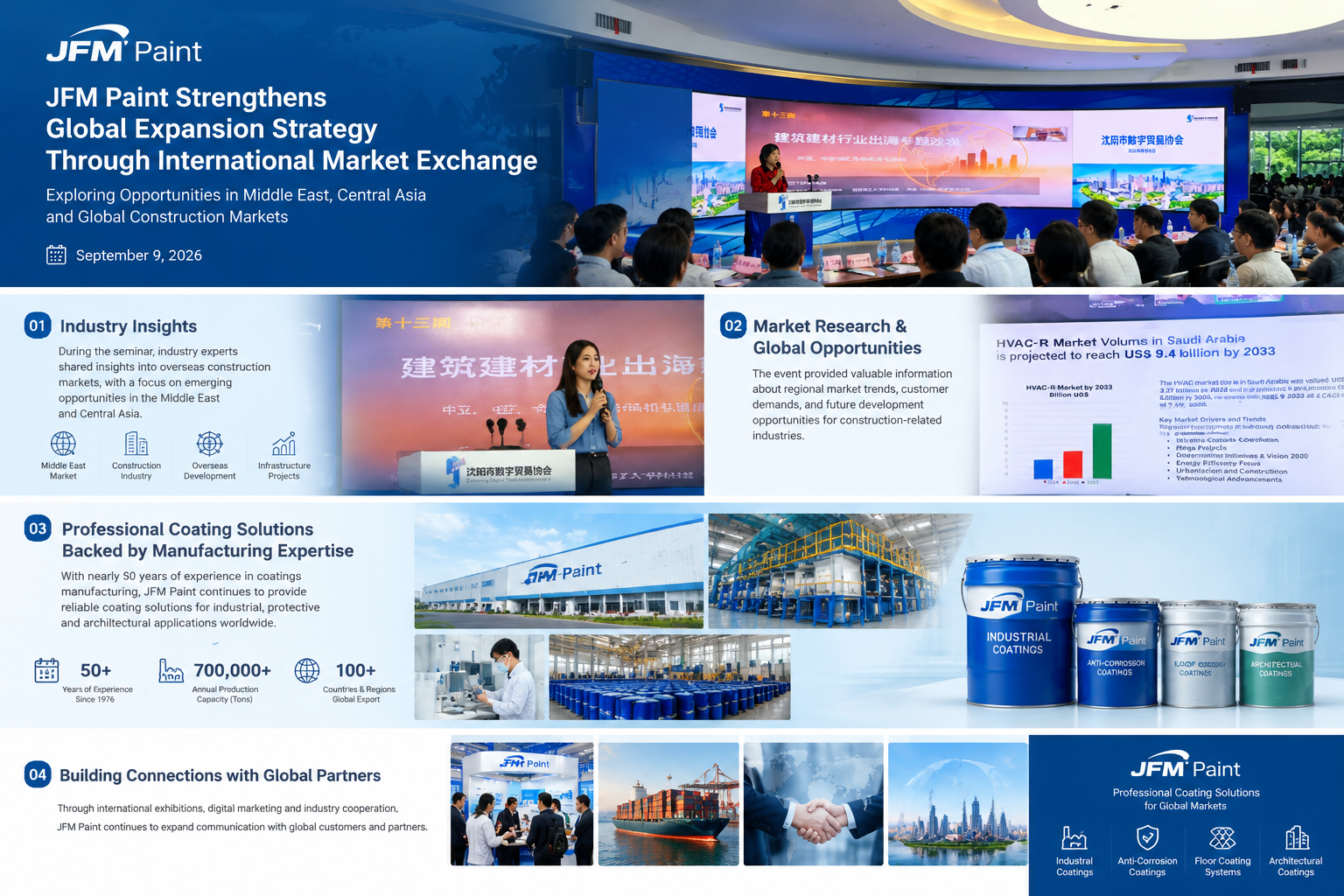
 JFM Paint Strengthens Global Expansion Strategy Through International Market ExchangeSep 10, 2026
 JFM Paint Strengthens Global Presence Through Successful Participation in KOREA BUILD WEEK 2026Aug 27, 2026
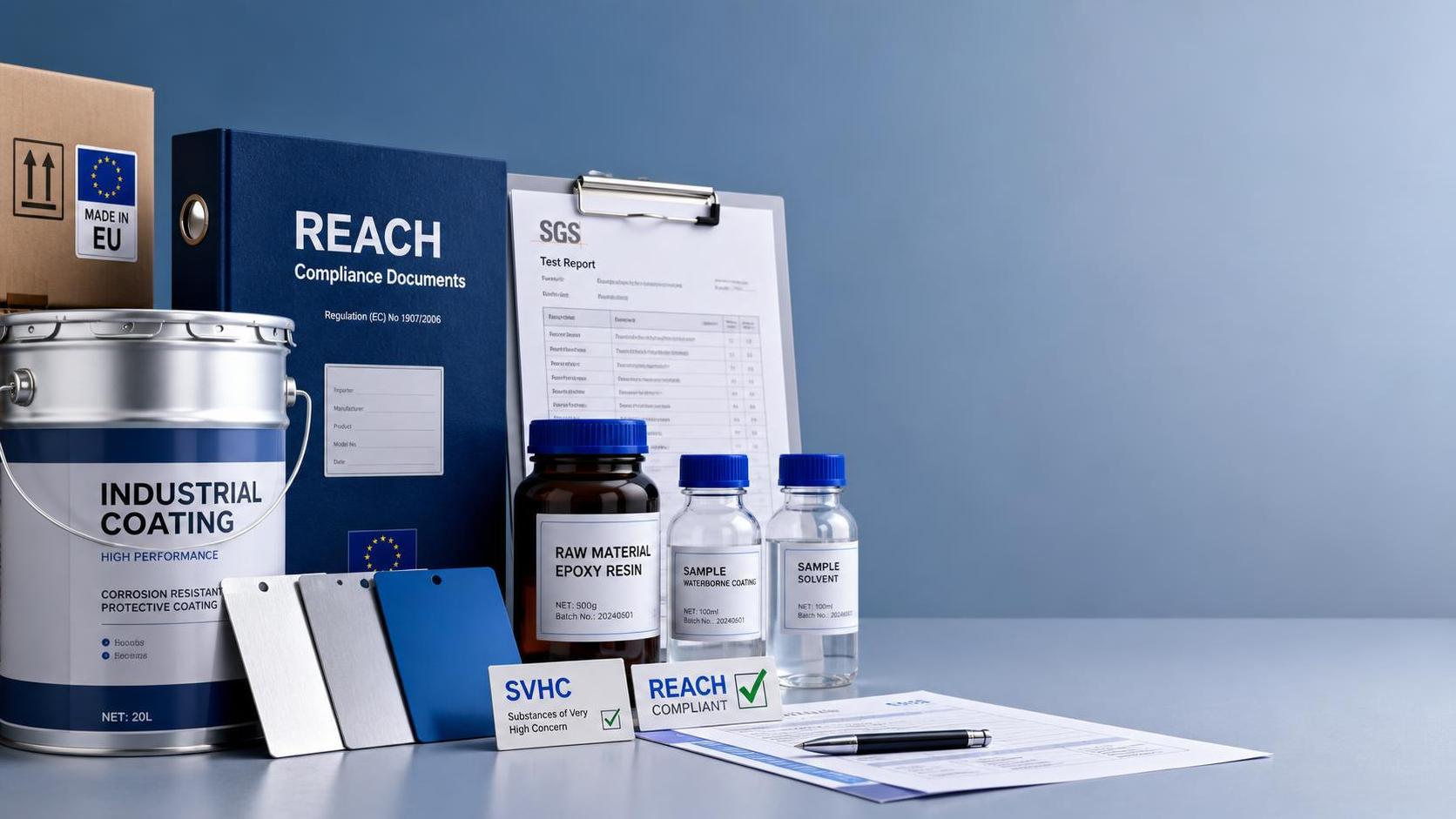
 EU REACH Adds 12 New SVHCs, Forcing Industrial Coating Export Declarations UpdateAug 16, 2026
- Vietnam Rule: Industrial Coating Imports Need SVHC Declaration from China Starting Oct. 1Aug 15, 2026
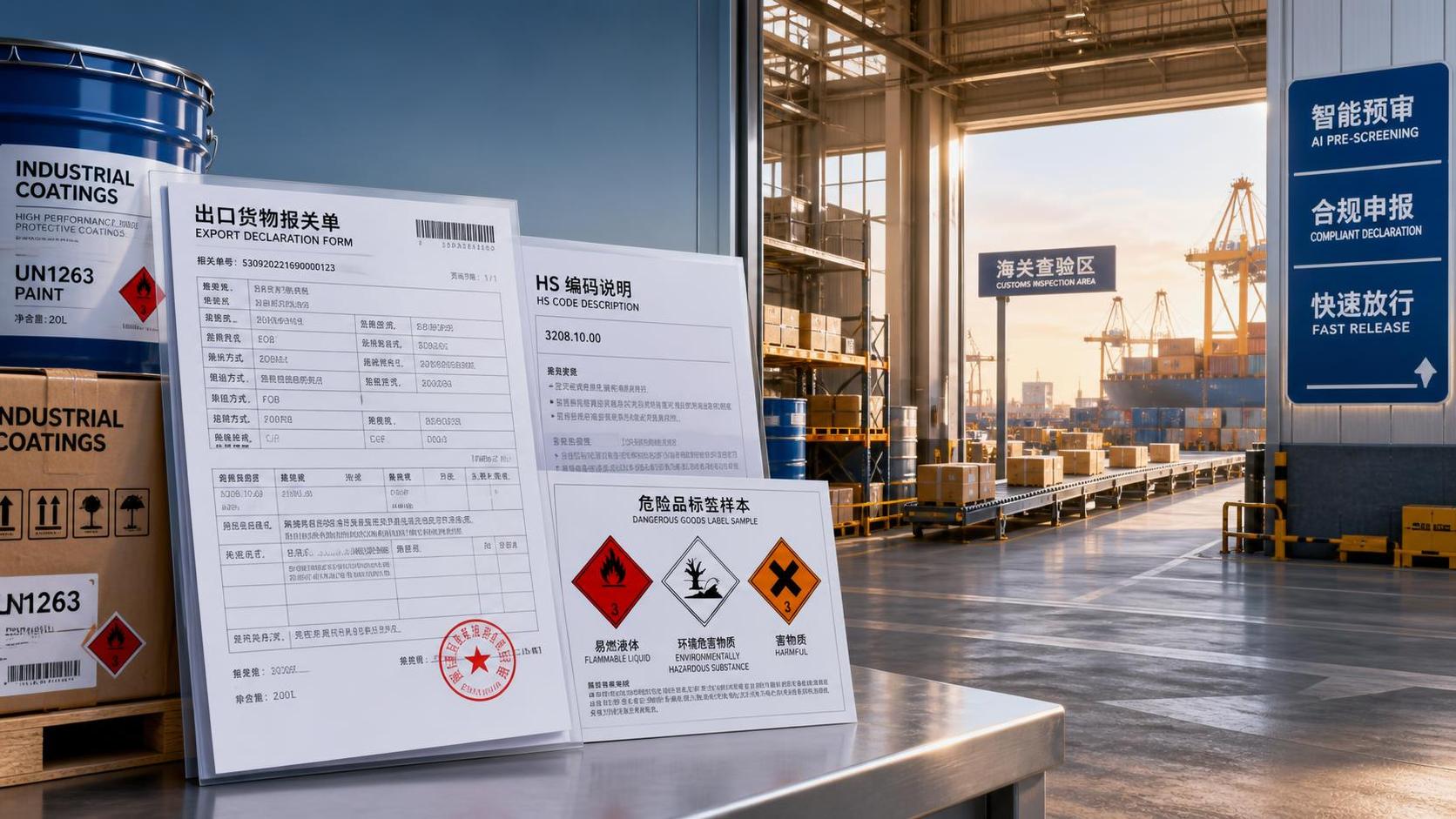
- China Customs Launches Paint Export PrecheckAug 14, 2026
- Nippon Paint Reacquires European Auto Coatings UnitAug 12, 2026



Leave A Reply
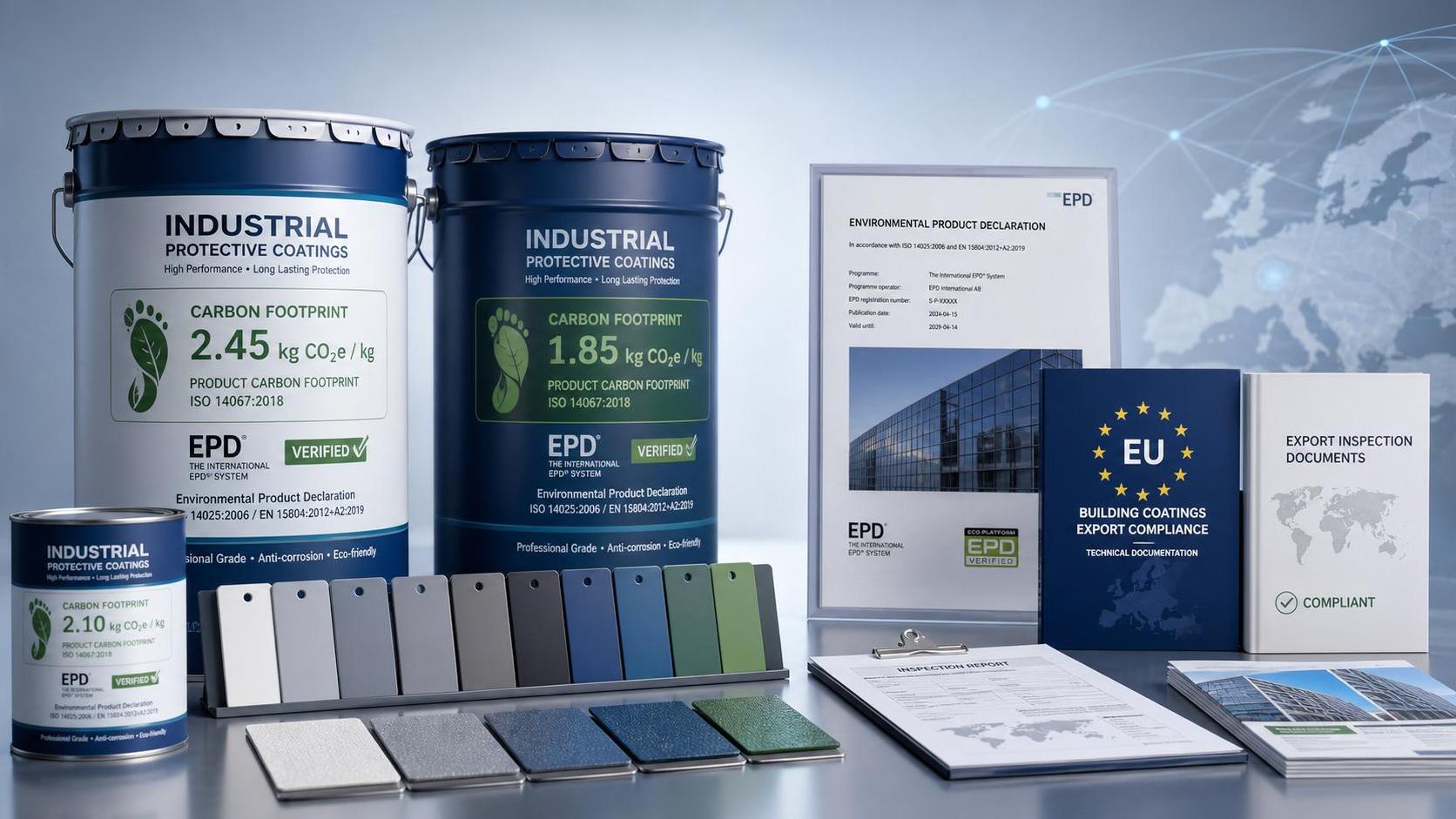
From July 1, 2026, exporters of construction coatings to the EU face a direct compliance requirement: products entering the market must carry a carbon footprint label and be accompanied by a third-party Environmental Product Declaration (EPD) certified under EN 15804+A2. The change follows implementation rules released by the European Commission on June 24, 2026 under the revised Construction Products Regulation (CPR). For coating manufacturers, exporters, import-facing compliance teams, and bidders targeting public projects, this matters because the requirement reaches beyond labeling and into customs clearance, tender eligibility, and access to green procurement channels.
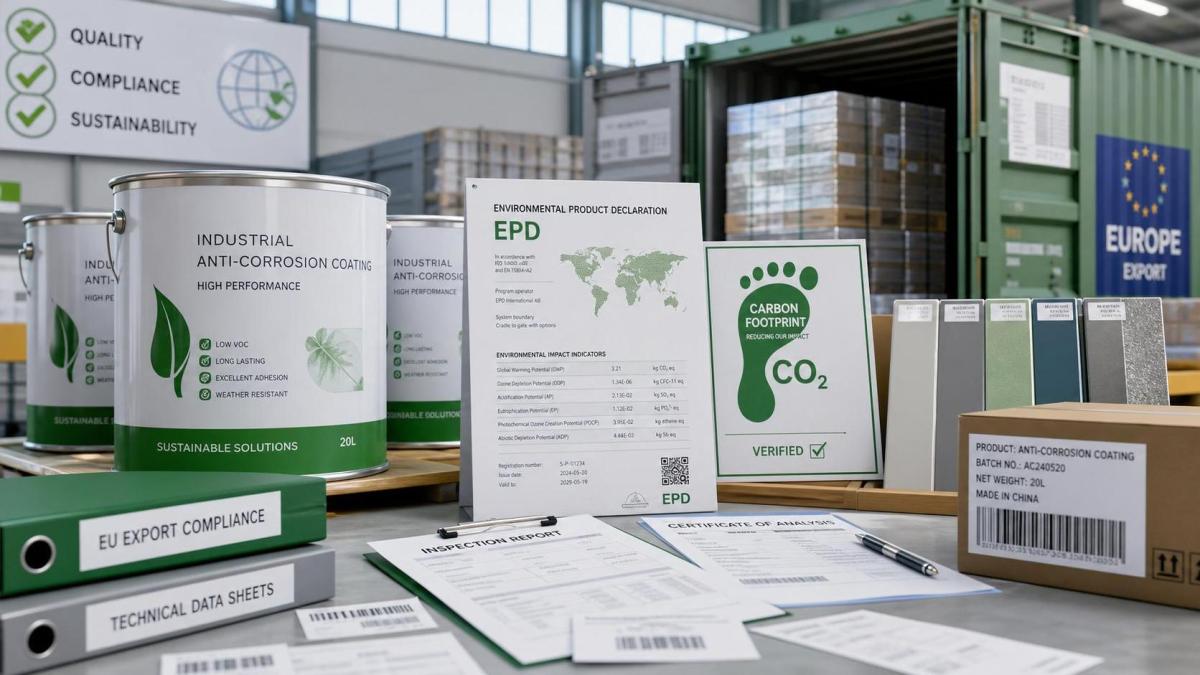
What the new EU requirement confirms
According to the information provided, the European Commission formally released implementation rules for the revised Construction Products Regulation (CPR) on June 24, 2026. The rules state that, starting July 1, 2026, all construction coatings entering the EU market, including industrial protective coatings, must display a carbon footprint label.
The same requirement also obliges exporters to provide a third-party Environmental Product Declaration (EPD) certified under EN 15804+A2. The scope covers heavy-duty anti-corrosion coating systems that are part of JinFeiMa’s main business. The stated business consequences are clear: compliance affects customs entry, participation in tenders, and access to green procurement. Products that do not comply may be denied entry into the EU or removed from approved supplier lists for public works.
Where the pressure is likely to appear first
Export-facing coating suppliers will feel the compliance threshold immediately
From an industry perspective, companies shipping architectural coatings and industrial protective coatings into the EU are the first group directly exposed. The reason is straightforward: the requirement is tied to market entry. The main impact points are shipment readiness, documentation completeness, and whether the product can legally proceed through customs and procurement screening.
What deserves closer attention is that the requirement is not limited to product packaging alone. The need to provide an EN 15804+A2-certified third-party EPD means exporters must align labeling and supporting documents at the same time.
Bidding and public project access may become a parallel filter
For suppliers participating in public works or serving customers that depend on qualified supplier lists, the impact is likely to extend beyond border clearance. Based on the provided information, non-compliant products may be excluded from approved supplier rosters. That makes compliance relevant not only for trade departments, but also for tender teams, project sales staff, and contract managers.
Observably, this creates a dual checkpoint: one at entry into the EU market, and another at project qualification and procurement access.
Procurement and supply chain service providers will need document coordination
Importers, distributors, sourcing teams, and trade service providers may also be affected because product acceptance will depend on whether the required label and EPD are available and consistent. In practice, the pressure point is likely to be document coordination across suppliers, shipments, and customer requests, especially where delivery schedules and bid submission timelines are tight.
Practical issues companies should watch now
Check which product lines fall within the immediate scope
The confirmed scope includes construction coatings entering the EU market and specifically includes industrial protective coatings. For companies with multiple coating categories, one practical priority is to identify which export products are already within this requirement and which business flows depend on those products for EU sales, project delivery, or tender participation.
Match the label requirement with the EPD requirement
Analysis shows that the operational challenge is not simply adding a label. The rule, as provided, combines two elements: a carbon footprint label on the product and a third-party EPD certified under EN 15804+A2. Companies should therefore pay attention to whether internal compliance, packaging, technical documentation, and external certification materials are prepared as one package rather than as separate tasks.
Review customs, tender, and green procurement exposure together
What deserves closer attention is the way this requirement connects several business stages. The provided information links compliance to customs clearance, bidding, and green procurement access. That means companies may need to review export documentation, customer qualification requirements, and public project participation criteria in parallel, rather than treating them as unrelated functions.
Keep watching for further official wording and implementation detail
Although the core compliance trigger is already clear in the provided information, companies should continue to watch how the official wording is applied in actual business processes. Observably, the difference between a policy requirement and day-to-day enforcement often appears in document review, procurement screening, and supplier qualification procedures.
Why this reads as more than a short-term filing change
Analysis shows that this development is better understood as an already effective compliance requirement rather than a tentative policy signal, because the implementation timing and core obligations are explicitly stated in the provided information. At the same time, it is also more appropriate to understand it as part of a longer-term direction in market access conditions, since the requirement ties environmental disclosure directly to product entry and procurement eligibility.
From an industry perspective, the significance lies in where the rule applies: not only at the product level, but also at the transaction and qualification level. That is why the market should continue watching how labeling, EPD documentation, and procurement review become linked in practice.
How the market may best interpret this development
At this stage, the clearest takeaway is that the EU requirement should not be treated as a minor labeling update for coating exporters. Based on the provided information, it has direct implications for border access, tender participation, and green procurement entry, especially for construction coatings and industrial protective coatings.
A neutral reading is that the rule has already formed a concrete compliance result for affected products, while some practical enforcement details may still require continued observation. For companies exposed to the EU coatings market, the more appropriate approach is to read this as an immediate operational requirement with longer-term strategic relevance.
Basis of this article and points for follow-up verification
This article is generated on the basis of the user-provided news title, event date, and event summary. The underlying information refers to implementation rules under the revised Construction Products Regulation (CPR), the July 1, 2026 start date, the carbon footprint label requirement, and the obligation to provide an EN 15804+A2-certified third-party EPD.
For this type of industry update, source types typically relevant for follow-up verification include official regulatory notices, company disclosures, industry association updates, authoritative media coverage, and standard-related documents. No specific official source link was provided in the input, so the exact official link still needs continuous verification. Follow-up attention should remain on any later official clarification affecting customs review, tender qualification, and green procurement implementation.