
Categories List
 China Customs Launches Smart Preclassification Channel for Coatings ExportsAug 16, 2026
- China Customs Launches AI Preclassification Channel for Paint ExportsAug 15, 2026
- 越南要求进口工业涂料提交SVHC声明Aug 14, 2026
- China Customs Opens Smart Pre-Review for Coating ExportsAug 13, 2026
- EU REACH Limits NMP in CoatingsAug 13, 2026
- Shenzhen Fluorosilicone Expo Opens in October 2026Aug 12, 2026





Leave A Reply
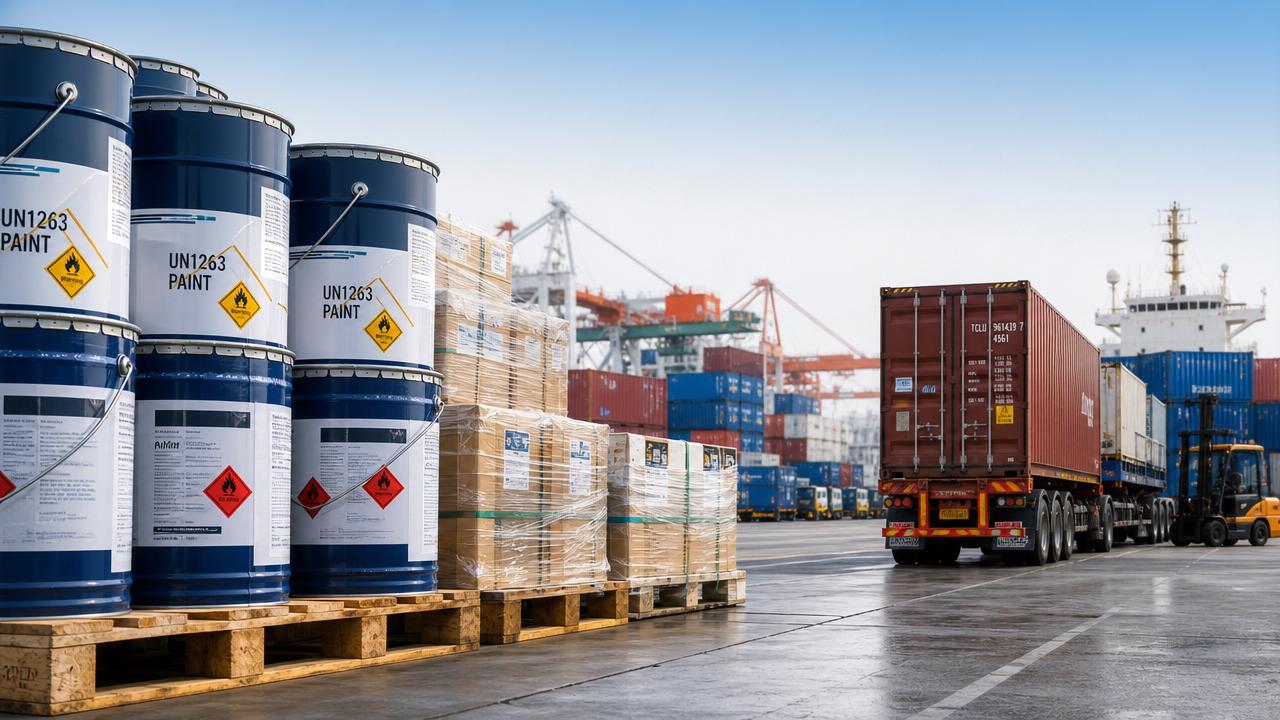
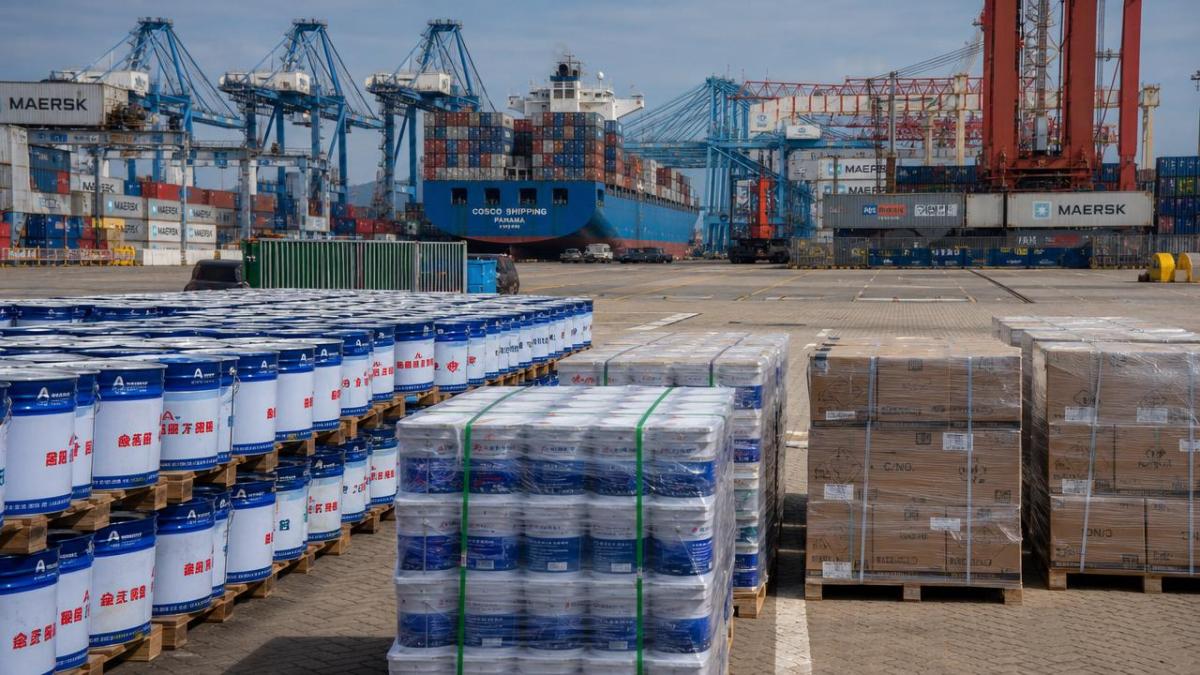
On June 1, 2026, the tightening of export container capacity from South China ports became a practical trade and delivery issue rather than a routine logistics fluctuation. The latest shipping data points to reduced space availability and longer booking lead times on routes from Guangzhou and Shenzhen to the Middle East and Southeast Asia, which matters directly to exporters, buyers, supply chain planners, and companies managing delivery commitments for industrial coatings. For the market, the key point is not only congestion itself, but how transport constraints are beginning to affect execution discipline in booking, documentation timing, procurement coordination, and shipment reliability.
What the latest shipping data confirms
According to data released by the Shanghai Shipping Exchange on June 9, container slot supply in early June from Guangzhou Port and Shenzhen Port to the Middle East destination of Jebel Ali and the Southeast Asian destinations of Port Klang and Laem Chabang fell by 23% year on year.
The same data shows that the average booking cycle extended to 7 to 10 working days.
The summary provided attributes the pressure mainly to continued Red Sea rerouting combined with the peak season for stock preparation. It also states that the change is affecting the delivery stability of industrial coatings exports.
Where execution pressure is now likely to build
Exporters facing tighter booking discipline
For direct exporting companies, the immediate issue is that reduced slot availability can turn shipment planning into a compliance and execution risk if agreed delivery windows are tied to contract terms, customer documentation deadlines, or pre-shipment coordination. From an industry perspective, what deserves closer attention is whether booking delays begin to affect packing schedules, document submission timing, and the consistency of promised dispatch dates.
Manufacturers managing production against uncertain sailings
For processing and manufacturing businesses, especially those shipping industrial coatings, longer booking cycles may disrupt the link between production completion and cargo handover. Analysis shows that when vessel space becomes less predictable, manufacturers may need to pay closer attention to how technical documents, batch records, product labels, and shipment files are aligned with revised loading schedules so that compliance-related materials do not expire in operational use before cargo moves.
Buyers and procurement teams watching delivery risk
Procurement teams and overseas buyers may be affected through less stable lead times rather than through any confirmed rule change in product standards. Observably, the practical risk sits in purchase order timing, replenishment planning, and acceptance scheduling. What deserves closer attention is whether delivery clauses, document deadlines, and receiving arrangements remain workable when bookings require 7 to 10 working days on average.
Supply chain service providers under greater coordination pressure
Freight forwarders and other supply chain service providers are likely to face heavier coordination demands across booking, document cut-off, cargo readiness, and route planning. From an industry perspective, the relevant change is operational rather than regulatory in a narrow sense: once capacity tightens on specific lanes, execution standards around timing, document accuracy, and shipment sequencing become more important for avoiding missed sailings and downstream disputes.
What companies should review now
Check delivery commitments against booking reality
Analysis shows that companies shipping to the affected routes should compare current contract delivery promises with the reported 7 to 10 working day booking cycle. This is particularly relevant where customer commitments assume shorter booking windows or fixed departure planning.
Keep shipment documents synchronized with schedule changes
Where export activity involves technical files, inspection records, product specifications, or other shipment-related documents, businesses should pay attention to whether schedule changes create mismatches between cargo readiness and document readiness. The available information does not confirm any new formal documentation rule, so this remains a practical compliance watchpoint rather than a confirmed regulatory revision.
Review procurement and inventory timing for affected lanes
For companies supplying industrial coatings or related products, Observably, the current issue is less about a new market access barrier and more about whether procurement, production, and dispatch timing can still support stable fulfillment. Firms may need to monitor whether inventory buffers and purchase schedules remain suitable under tighter vessel space conditions.
Track further signals in trade execution practice
It is more appropriate to understand this development as an execution signal that may later influence contract practice, booking behavior, and shipment coordination. Companies should continue watching for any follow-up changes in carrier requirements, booking practices, customer delivery instructions, or tender documents that respond to longer lead times.
Why this matters beyond a short-term shipping update
Analysis shows that this development is important because it links route disruption and peak-season pressure to real export execution risk. It does not by itself establish a new law, certification regime, or formal trade restriction in the information provided. Instead, it signals that logistics constraints are becoming material enough to affect how companies manage compliance timing, contractual performance, and delivery reliability.
From an industry perspective, this is better understood as a market execution signal with rule-related implications in practice: when transport capacity tightens, businesses often face stricter real-world requirements around document timing, shipment coordination, and fulfillment control even without a newly published regulation.
How the market may need to interpret this stage
The most balanced reading is that the reported 23% reduction in slot supply and longer booking cycle represent an already visible operating change on the affected routes. At the same time, the broader implications for trade practice, procurement arrangements, and customer requirements still need continued observation. It is more appropriate to treat this as a confirmed logistics constraint with possible knock-on effects on compliance and delivery execution, rather than as a fully defined rule shift with settled outcomes.
Basis of this article and follow-up verification
This article is generated based on the user-provided news title, event date, and event summary. For developments of this kind, commonly relevant source categories may include official notices, regulator releases, customs or trade authority information, industry association updates, standards documentation, and reporting by established industry media.
A specific official source link was not provided in the input, so further verification is still necessary. Observably, the areas that remain worth tracking include any more detailed execution guidance, changes in booking practice, shifts in customer or tender documentation requirements, industry feedback, and how exporters are managing delivery stability in practice.