
Categories List
 China Customs Launches Smart Preclassification Channel for Coatings ExportsAug 16, 2026
- China Customs Launches AI Preclassification Channel for Paint ExportsAug 15, 2026
- 越南要求进口工业涂料提交SVHC声明Aug 14, 2026
- China Customs Opens Smart Pre-Review for Coating ExportsAug 13, 2026
- EU REACH Limits NMP in CoatingsAug 13, 2026
- Shenzhen Fluorosilicone Expo Opens in October 2026Aug 12, 2026


Leave A Reply
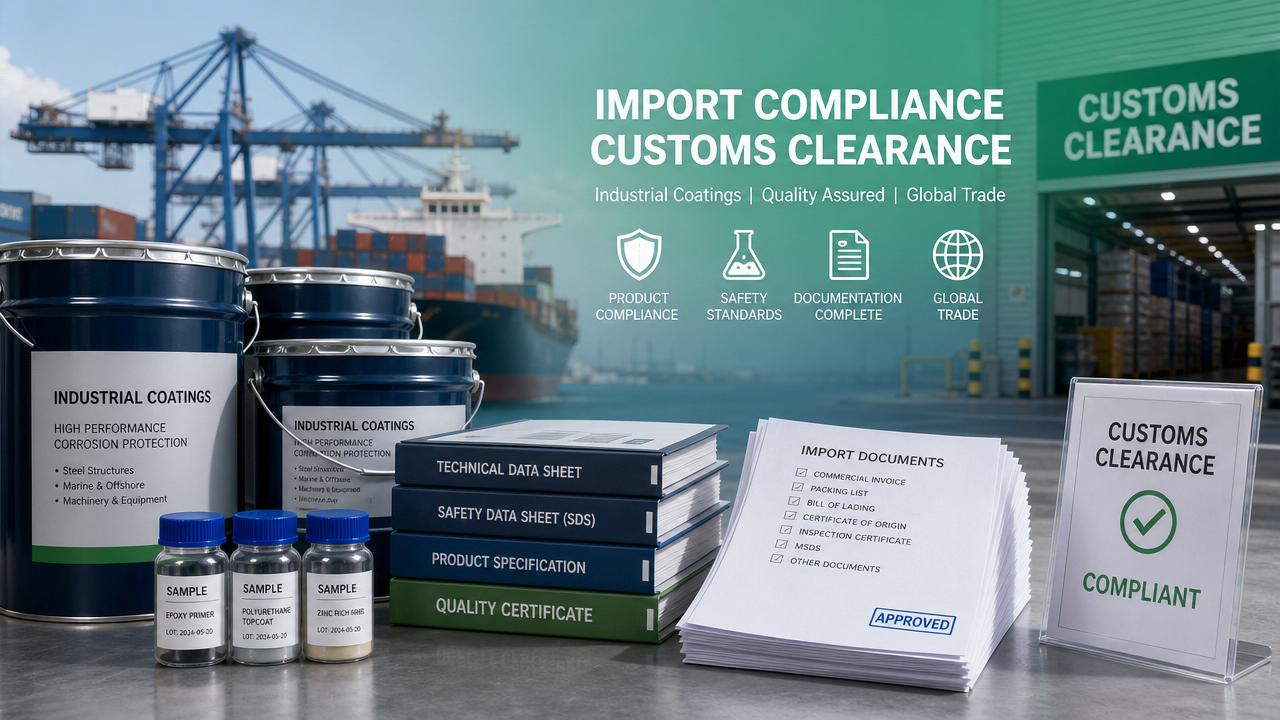
On June 11, 2026, Vietnam introduced Decree 45/2026/ND-CP, creating a new market-access requirement for imported industrial coatings. From October 1, 2026, covered products entering Vietnam will need a mandatory MIC chemical substance registration before customs clearance, with implications for importers, exporters, formulators, procurement teams, and compliance functions because the rule shifts the regime from voluntary registration to a stricter pre-entry requirement tied to documentation and disclosure.
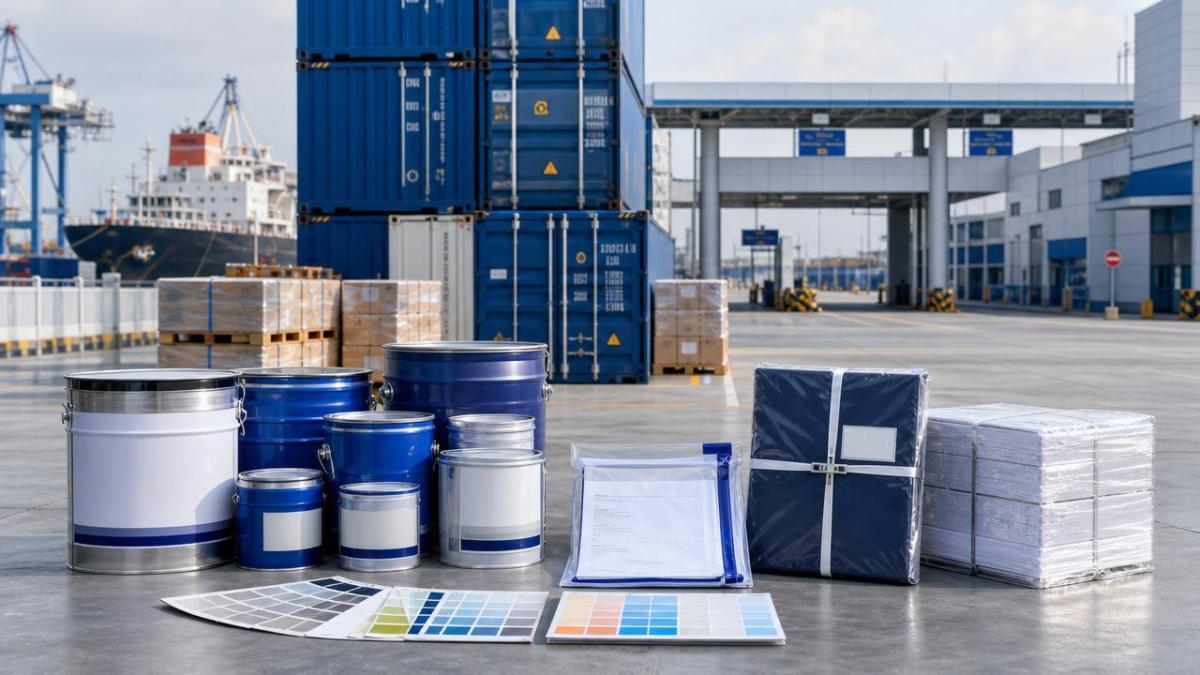
A clear shift from voluntary filing to mandatory pre-clearance registration
The Ministry of Industry and Trade of Vietnam signed Decree 45/2026/ND-CP on June 11, 2026. The decree requires all industrial coatings imported into Vietnam, including water-based, powder, and UV-cured products, to complete mandatory registration with the MIC chemical management authority from October 1, 2026.
The required submission includes full formula disclosure in a TSCA-style format, a toxicology summary, and information on a local authorized representative. Products that have not completed registration will not be allowed to clear customs.
The policy replaces a prior voluntary registration approach with a mandatory one and therefore raises market-entry requirements and compliance costs for affected products.
Where the new rule is likely to be felt first
Imported product flows may face a new document gate
From an industry perspective, trading companies and import-focused distributors are likely to feel the change first because customs clearance is directly tied to registration status. The practical issue is not only whether a coating is commercially ready for sale, but whether the importer can present the required registration-related materials before shipment or clearance is attempted.
Formulators and exporters may face deeper disclosure demands
Manufacturers and exporters supplying industrial coatings into Vietnam may be affected through the requirement for full formula disclosure, toxicology summaries, and local representative information. Analysis shows that this is not just a labeling or packaging adjustment; it reaches into technical documentation, internal compliance review, and decisions about what product information can be shared for market access.
Procurement and delivery planning could become more compliance-driven
Buyers, sourcing teams, and downstream industrial users may need to pay closer attention to supplier readiness. Observably, a product that is technically suitable may still face delivery risk if registration work is incomplete, if documentation is not aligned, or if the local authorization arrangement is not in place before import timing becomes critical.
Service providers around compliance may see a larger coordination role
Testing, documentation, regulatory support, and supply chain service providers may become more involved because the new rule links import viability to a set of formal submissions rather than to commercial intent alone. What deserves closer attention is the coordination burden between overseas suppliers, local representatives, and the importing entity.
What companies should review before the October 2026 threshold
Check whether product files can support registration
Companies handling affected coatings should first review whether current technical files can support the required MIC registration package. In particular, the need for TSCA-style full formula disclosure and a toxicology summary means internal document readiness may become a gating issue for products that previously moved under a lighter registration expectation.
Reassess local representative arrangements
The requirement to provide local authorized representative information deserves early review. Where the responsible local party, legal arrangement, or submission workflow is not yet settled, businesses may face added uncertainty in import planning even before the formal implementation date arrives.
Align purchasing schedules with compliance lead time
Analysis shows that procurement and delivery teams should not treat the rule as a last-minute customs formality. Because unregistered products will be barred from customs clearance, purchase orders, shipment timing, and stock planning may need to reflect possible registration preparation lead time and document review cycles.
Watch for execution language beyond the headline rule
The summary confirms the core obligation, but it does not provide full operational detail on review practice or implementation interpretation. It is therefore more appropriate to monitor how official wording, compliance instructions, bid documents, and customer specifications begin to reference the new registration requirement rather than assume a fully settled execution model today.
How this policy signal should be read now
As an editorial observation, this development looks more like a concrete market-access tightening than a general policy direction statement. The combination of mandatory registration, formula disclosure, toxicology summary requirements, local representative information, and a customs-clearance consequence indicates that the rule has direct operational significance for companies shipping industrial coatings into Vietnam.
At the same time, it should also be understood as a rule change that still requires close observation in practice. Observably, the headline obligation is clear, but the market will still need to watch how registration expectations are interpreted in working-level execution, how counterparties respond to disclosure demands, and how procurement and tender documentation begins to reflect the change.
A compliance threshold, not just a policy headline
The practical meaning of Decree 45/2026/ND-CP is that imported industrial coatings for Vietnam will increasingly be judged by registration readiness before they can move through customs. For the industry, the most reasonable reading at this stage is not that all commercial outcomes are already determined, but that the compliance threshold has clearly moved upward and should now be treated as an active market-entry condition for shipments planned around and after October 1, 2026.
Basis of this article and points still to verify
This article is generated based on the user-provided news title, event date, and event summary. For developments of this kind, relevant source types typically include official government notices, releases from regulatory authorities, customs or trade administration updates, industry association communications, standard-setting documents, and reporting by authoritative trade media.
A specific official source link was not provided in the input, so the underlying text and any follow-on interpretation still require continued verification. What remains worth tracking includes implementing details, registration interpretation by the competent authority, changes in tender or procurement documents, market feedback, and how affected companies execute disclosure, representative appointment, and import compliance in practice.