
Categories List
 China Customs Launches Smart Preclassification Channel for Coatings ExportsAug 16, 2026
- China Customs Launches AI Preclassification Channel for Paint ExportsAug 15, 2026
- 越南要求进口工业涂料提交SVHC声明Aug 14, 2026
- China Customs Opens Smart Pre-Review for Coating ExportsAug 13, 2026
- EU REACH Limits NMP in CoatingsAug 13, 2026
- Shenzhen Fluorosilicone Expo Opens in October 2026Aug 12, 2026


Leave A Reply

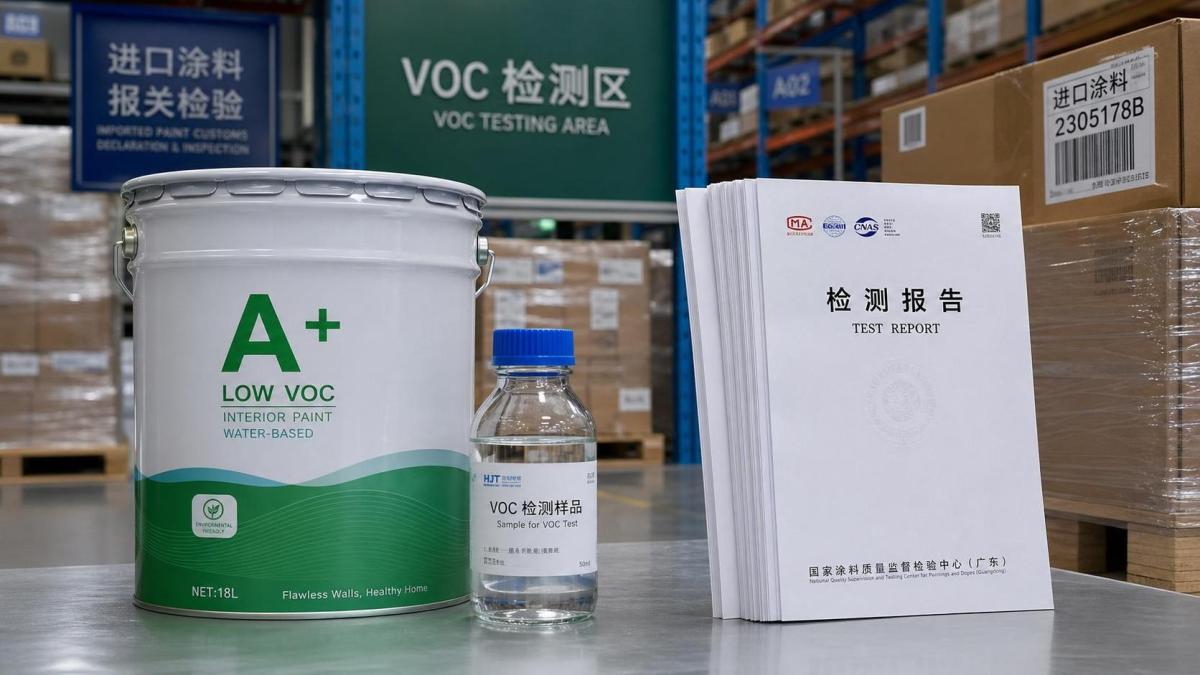
On June 22, 2026, regulators in the United States, Canada, and Mexico moved to align VOC compliance for imported architectural and industrial coatings through a joint North American memorandum. Starting September 1, 2026, shipments entering through any member country must be accompanied by a VOC content test report issued by an ISO/IEC 17025 accredited laboratory under the latest ASTM D3960 or ISO 11890-2 method. For coating exporters, importers, distributors, and procurement teams, this is worth close attention because the rule change shifts VOC testing documents from a supporting compliance item to a practical customs-clearance requirement.
What the memorandum changes from September 2026
The confirmed information indicates that the U.S. Environmental Protection Agency (EPA), Environment and Climate Change Canada (ECCC), and Mexico’s Ministry of Environment and Natural Resources (SEMARNAT) signed the North American Memorandum on Coordinated VOC Oversight for Coatings on June 22, 2026.
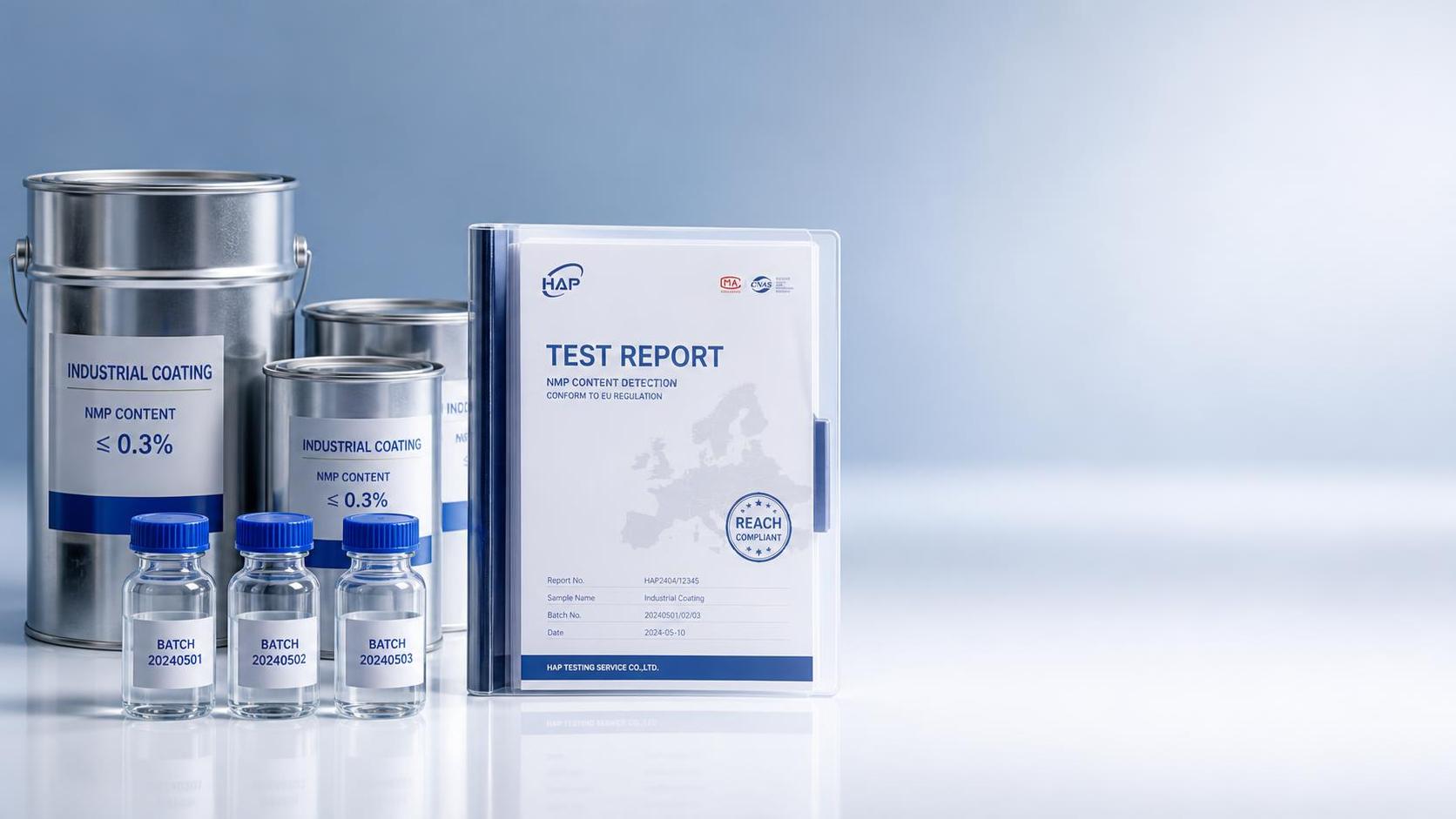
Under the arrangement, from September 1, 2026, imported architectural and industrial coatings entering through any of the three member countries must be submitted with a VOC content test report. The report must be issued by a laboratory accredited to ISO/IEC 17025, and the applicable test basis is the latest version of ASTM D3960 or ISO 11890-2.
The event summary also makes clear that this mechanism is expected to raise import compliance requirements for North American channel operators, while favoring higher-quality Chinese suppliers that already have full testing capability and green certifications.
Where the pressure is likely to appear first
Border-facing import and distribution operations
From an industry perspective, the most immediate impact is on companies that bring coatings into the United States, Canada, or Mexico and then distribute them onward. Their exposure is direct because the VOC report is tied to shipment documentation at the customs-clearance stage. What deserves closer attention is not only whether a report exists, but whether it is issued by a qualified ISO/IEC 17025 laboratory and references the required testing standard version.
Export suppliers serving North American orders
For exporters, the practical impact is likely to show up earlier in order confirmation, document preparation, and shipment release. Analysis shows that suppliers without stable access to third-party VOC testing may face longer internal preparation cycles or additional document coordination before dispatch. By contrast, suppliers that already manage testing files and green compliance credentials may be in a stronger position when buyers review vendor readiness.
Procurement and sourcing teams reviewing supplier eligibility
Procurement teams are also likely to adjust how they screen coating suppliers for North American business. Observably, the change makes laboratory capability, report validity, and document completeness more relevant to sourcing decisions, especially where delivery schedules depend on smooth cross-border movement. In practice, purchasing teams may need to confirm earlier whether a supplier can provide shipment-matched VOC documentation under the specified methods.
Testing and compliance service coordination
Testing-related service providers are affected because the rule directly names both accreditation status and test methods. For companies relying on external laboratories, the business issue is not only test completion but also alignment between report format, shipment timing, and the importing party’s documentation process. This makes compliance coordination a more operational part of delivery planning rather than a late-stage paperwork exercise.
What companies should watch in current operations
Check whether current reports match the new entry requirement
Analysis shows that companies should first review whether existing VOC reports are issued by ISO/IEC 17025 accredited laboratories and whether they use the latest ASTM D3960 or ISO 11890-2 method as required in the memorandum. If current files do not fully match that framework, the gap may affect shipment readiness after September 1, 2026.
Reassess document flow before shipment release
What deserves closer attention is the timing of compliance paperwork. Because the report must accompany the goods, exporters, importers, and logistics-facing teams should pay attention to whether test reports, product documentation, and shipment records can be assembled in time for customs processing. The event summary does not provide a detailed execution format, so this should be treated as a document-readiness issue that still requires further confirmation in practice.
Review supplier qualification for North American orders
For buyers and channel operators, it is more appropriate to understand this as a supplier qualification issue as much as a product compliance issue. Companies may need to review which suppliers can consistently provide third-party VOC testing, maintain traceable technical files, and support customer or tender documentation when requested.
Monitor later wording and market adoption signals
The memorandum sets a clear requirement and effective date, but the input does not provide detailed operational guidance on review procedures, filing language, or market-specific implementation practices. Observably, companies should continue watching for later official wording, procurement document changes, and market feedback before treating every execution detail as settled.
Why this looks like an execution signal, not only a policy headline
Analysis shows that this development is more than a general environmental compliance message because it links VOC testing directly to cross-border shipment clearance. That makes the rule relevant not only to technical and regulatory staff, but also to sales operations, purchasing, order management, and delivery planning. At the same time, it is more appropriate to understand the current stage as a confirmed rule direction with a defined effective date, while some on-the-ground execution details still merit observation.
How the market is likely to read this change
For the coatings trade, the most reasonable reading is that North American buyers and import channels may place greater weight on tested, documented, and traceable compliance before cargo moves. The confirmed information already points to higher import requirements for channel operators and a relative advantage for suppliers with complete testing capability and green certifications. Even so, this should be viewed as a concrete compliance tightening with follow-up implementation still worth tracking, rather than as a basis for broad claims about final market outcomes.
Basis of this article and what still needs verification
This article is generated from the user-provided news title, event date, and event summary. For events of this type, relevant source categories usually include official regulatory announcements, releases from environmental authorities, customs or trade administration updates, industry association notices, standard-setting documents, and reporting by established industry media.
No specific official source link was provided in the input, so the exact official publication path still needs to be verified on an ongoing basis. Further observation should focus on any later policy detail, certification interpretation, tender document changes, industry feedback, and how companies implement the requirement in actual export and import operations.