
Categories List
 China Customs Launches Smart Preclassification Channel for Coatings ExportsAug 16, 2026
- China Customs Launches AI Preclassification Channel for Paint ExportsAug 15, 2026
- 越南要求进口工业涂料提交SVHC声明Aug 14, 2026
- China Customs Opens Smart Pre-Review for Coating ExportsAug 13, 2026
- EU REACH Limits NMP in CoatingsAug 13, 2026
- Shenzhen Fluorosilicone Expo Opens in October 2026Aug 12, 2026




Leave A Reply
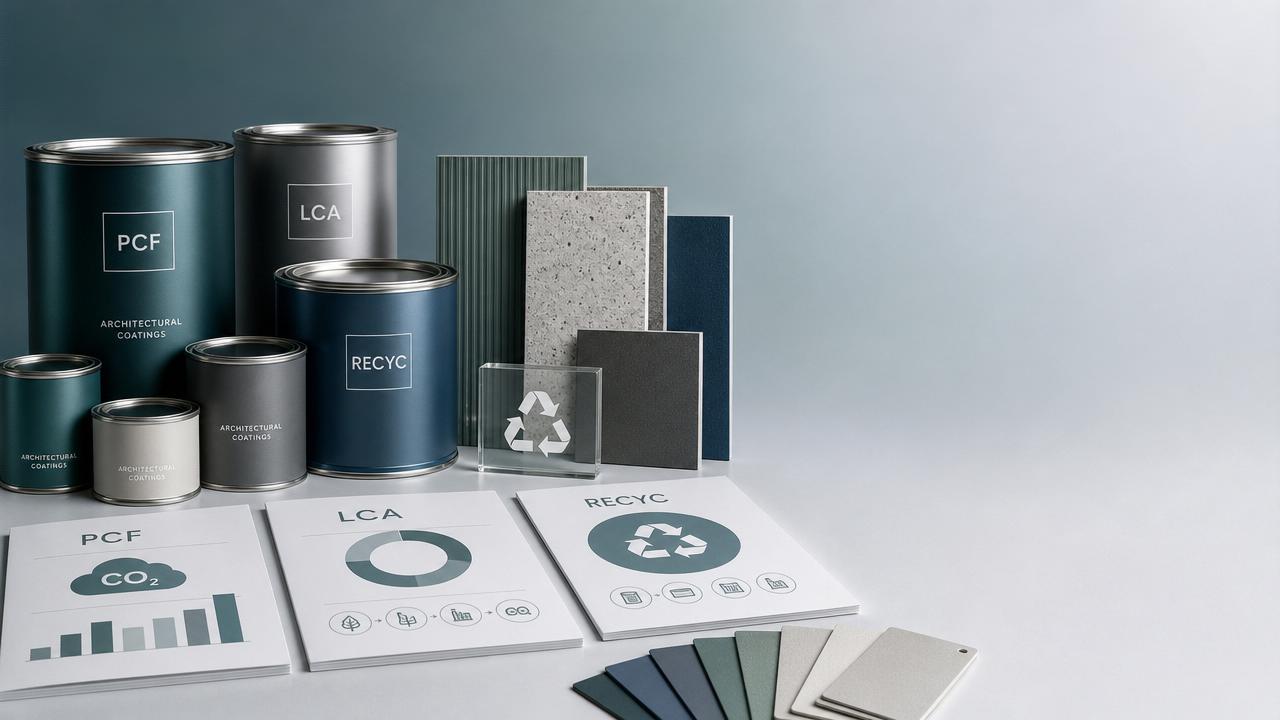
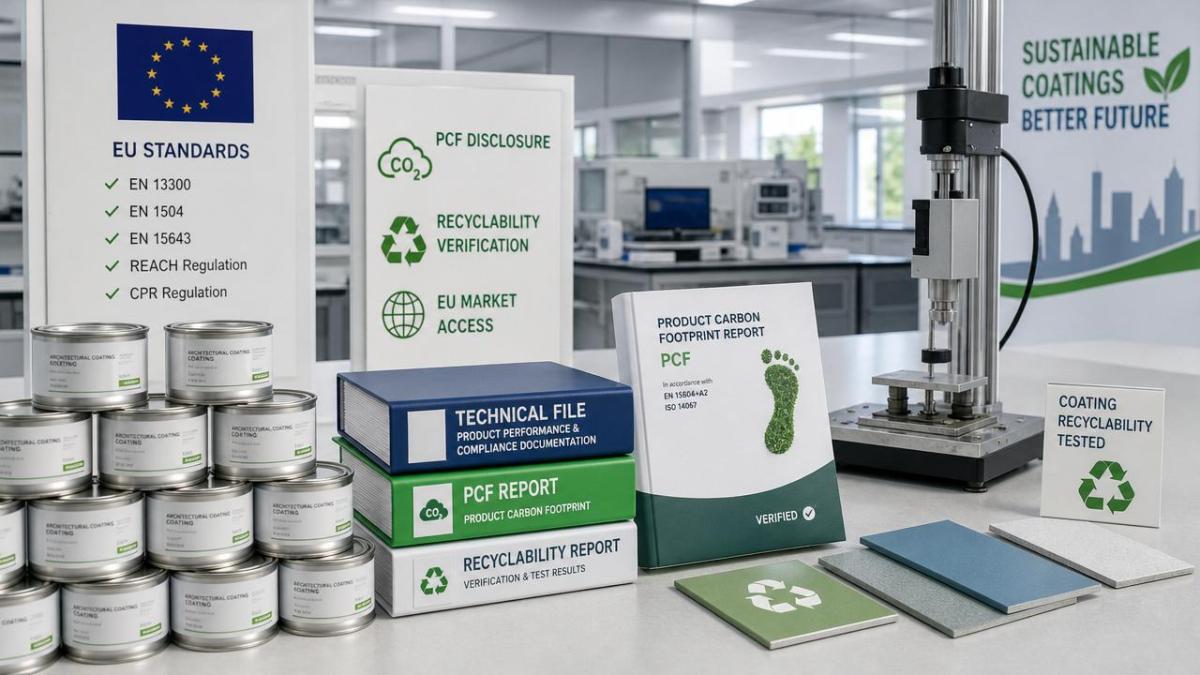
On June 5, 2026, the European Commission released a draft EcoDesign for Construction Products regulation that would require architectural coatings sold in Europe to disclose product carbon footprint (PCF) data and verified coating recyclability information in technical documentation from January 2027. For coating exporters, manufacturers, procurement teams, and compliance functions, this is worth close attention because the proposal links environmental disclosure more directly to market access expectations and, for Chinese exporters, to eligibility for EU Green Public Procurement (GPP).
What the draft regulation says at this stage
The confirmed facts are limited but commercially significant. The draft was published by the European Commission on June 5, 2026 under the title EcoDesign for Construction Products. According to the information provided, the proposal would make it mandatory for all architectural coatings sold in the EU to include full life-cycle PCF disclosure and verified data on coating recyclability in their technical files starting in January 2027.
The draft has already entered the public consultation stage, and the legislative process is expected to be completed in the fourth quarter of 2026. The same information also indicates that Chinese exporters need to begin building Life Cycle Assessment (LCA) capabilities immediately, or they risk losing access to EU GPP eligibility.
Where the pressure is likely to appear first
Documentation and compliance teams face the earliest adjustment
From an industry perspective, the most immediate impact is likely to fall on companies responsible for technical documentation, product declarations, and customer compliance responses. If PCF and recyclability verification become required content in technical files, the burden is not only on producing the coating but also on proving environmental attributes in a form that buyers and regulators can review.
Export manufacturers may need to connect product data with market access
Manufacturing exporters selling into Europe may be affected because the proposed requirement is tied to products placed on the EU market. Analysis shows that this could shift environmental data from a supporting marketing element into a practical market-entry condition, especially where public-sector procurement is involved.
Procurement and tender-related roles may need earlier screening
For procurement teams, public project suppliers, and companies serving specification-driven construction channels, the key issue is whether a product can still be presented as eligible when environmental documentation is incomplete. What deserves closer attention is the possible link between technical file readiness and participation in GPP-related opportunities.
Service providers around LCA and verification may see rising demand
Service organizations involved in LCA preparation, environmental data management, and verification support may also be affected. Observably, the proposal points to a need for more structured evidence preparation rather than simple claims, which could increase the importance of third-party technical support in export workflows.
What companies should watch now
Track the wording through consultation and legislation
Because the proposal is still in public consultation and is expected to complete legislation in Q4 2026, companies should distinguish between the draft signal and the final legal text. The current requirement direction is clear in the provided information, but specific wording and implementation details still need continued verification.
Review whether current technical files can support disclosure
Companies active in EU-facing architectural coatings should check whether existing technical documentation can already support PCF disclosure and recyclability-related verification data. This is a practical issue for product files, customer submissions, and internal approval processes rather than a general sustainability statement.
Prioritize LCA capability where EU business depends on tenders
For Chinese exporters in particular, the supplied information points directly to LCA capability as an urgent task. Analysis shows that the priority may be highest for businesses exposed to public procurement channels, since the stated risk is loss of GPP eligibility rather than only a general compliance delay.
Prepare customer communication before rules are finalized
Sales and account teams may need to align early with distributors, importers, and project customers on what data can be provided now and what remains under preparation. This matters because policy direction and actual document readiness are not the same thing, and the gap can affect quotations, tenders, and delivery commitments.
Why this looks like more than a short-term headline
Analysis shows that this development is better understood as a regulatory signal with near-term commercial implications, not yet as a fully settled rule. The draft status means the final outcome is still subject to the legislative process, but the direction is already specific enough to influence preparation priorities for exporters and compliance-led product lines.
Observably, the requirement focus is not limited to broad environmental positioning. It is tied to measurable product documentation, namely life-cycle carbon footprint data and recyclability verification. That makes this less about messaging and more about evidence readiness. For the industry, the continuing point of attention is whether companies can convert environmental expectations into documentation that supports actual EU market participation.
How to read the development at this point
At this stage, it is more appropriate to understand the draft as an actionable warning rather than a completed regulatory outcome. The confirmed facts already indicate a proposed 2027 disclosure requirement, an ongoing consultation process, an expected legislative timeline in Q4 2026, and a direct relevance to GPP access for Chinese exporters.
A neutral reading is that the business impact will depend on how quickly companies organize LCA capability, technical file preparation, and customer-facing compliance communication. The rule is not yet final, but the preparation window described in the information provided is short enough that waiting for the last formal step may create avoidable risk.
Basis of this article and points for continued verification
This article is based on the user-provided news title, event date, and event summary concerning the European Commission's June 5, 2026 draft EcoDesign for Construction Products regulation. No additional unverified data, company cases, market figures, or external links have been added.
For this type of development, commonly relevant source categories include official government or regulatory announcements, company compliance notices, industry association updates, authoritative media reporting, and standards-related documents. A specific official source link was not provided in the input, so the exact text and any later revisions still require ongoing verification. Continued attention should focus on the public consultation outcome, the final legislative text expected in Q4 2026, and any clarification on documentation and verification requirements for architectural coatings.