
Categories List
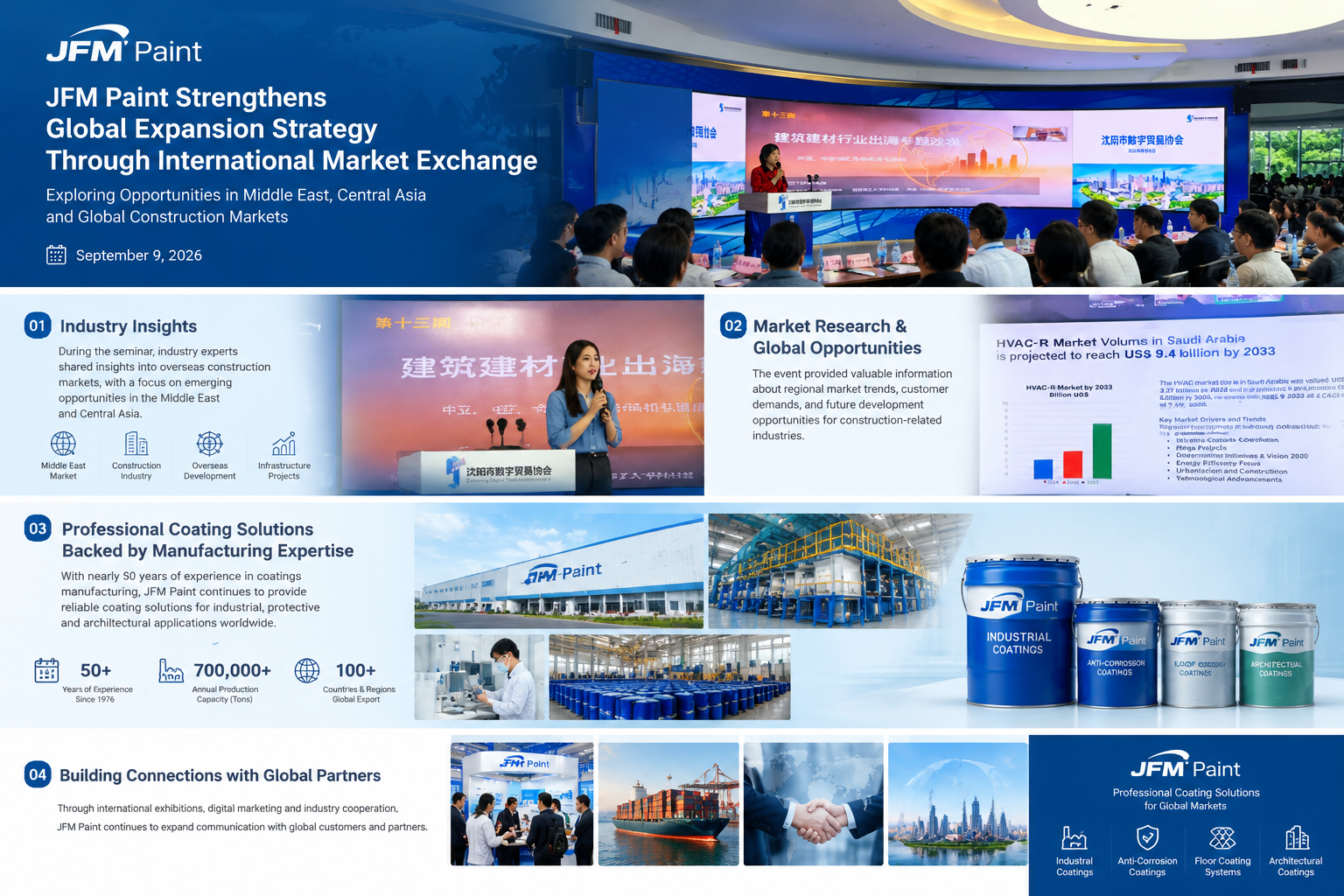
 JFM Paint Strengthens Global Expansion Strategy Through International Market ExchangeSep 10, 2026
 JFM Paint Strengthens Global Presence Through Successful Participation in KOREA BUILD WEEK 2026Aug 27, 2026
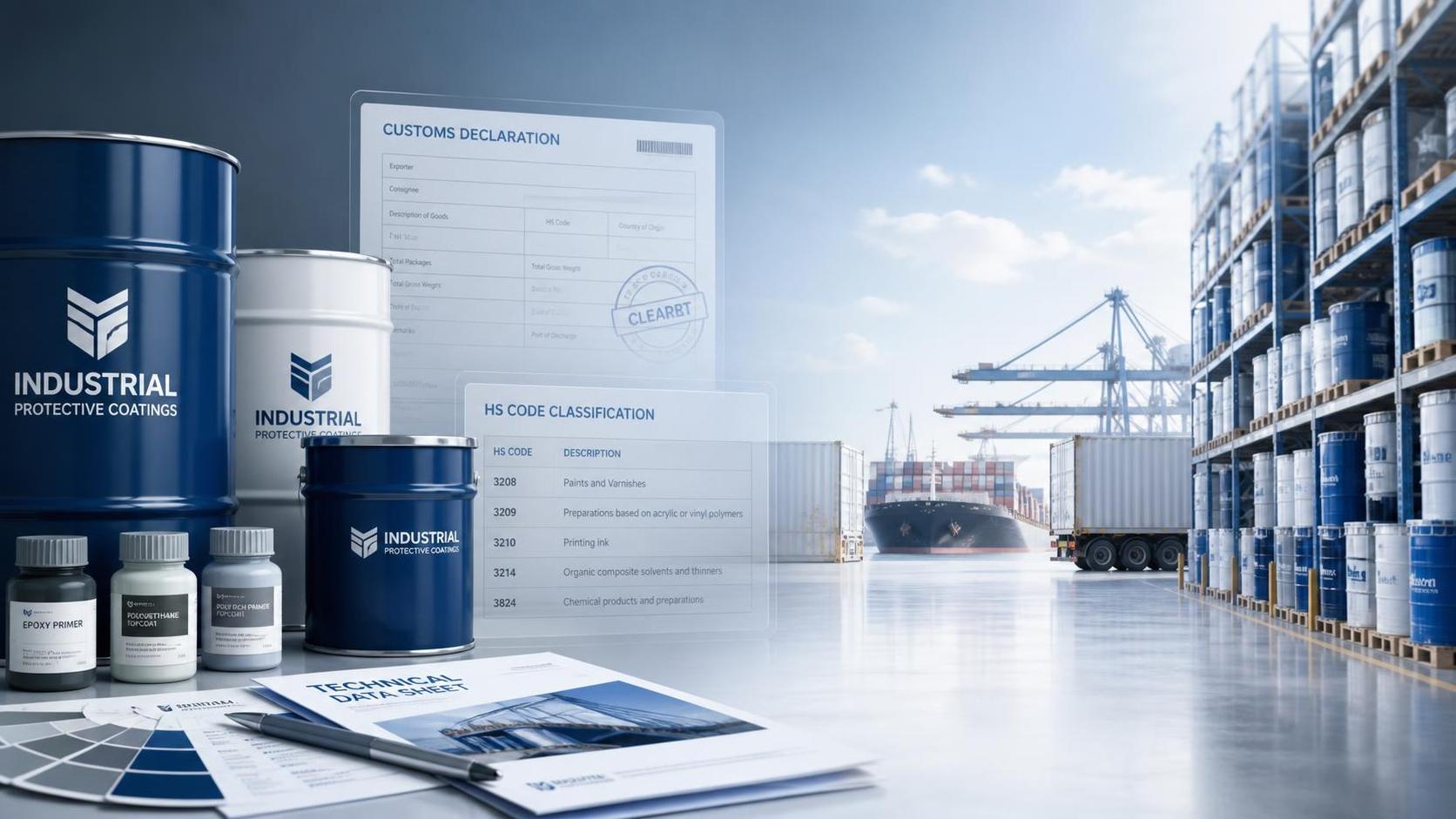
 China Customs Launches Smart Preclassification Channel for Coatings ExportsAug 16, 2026
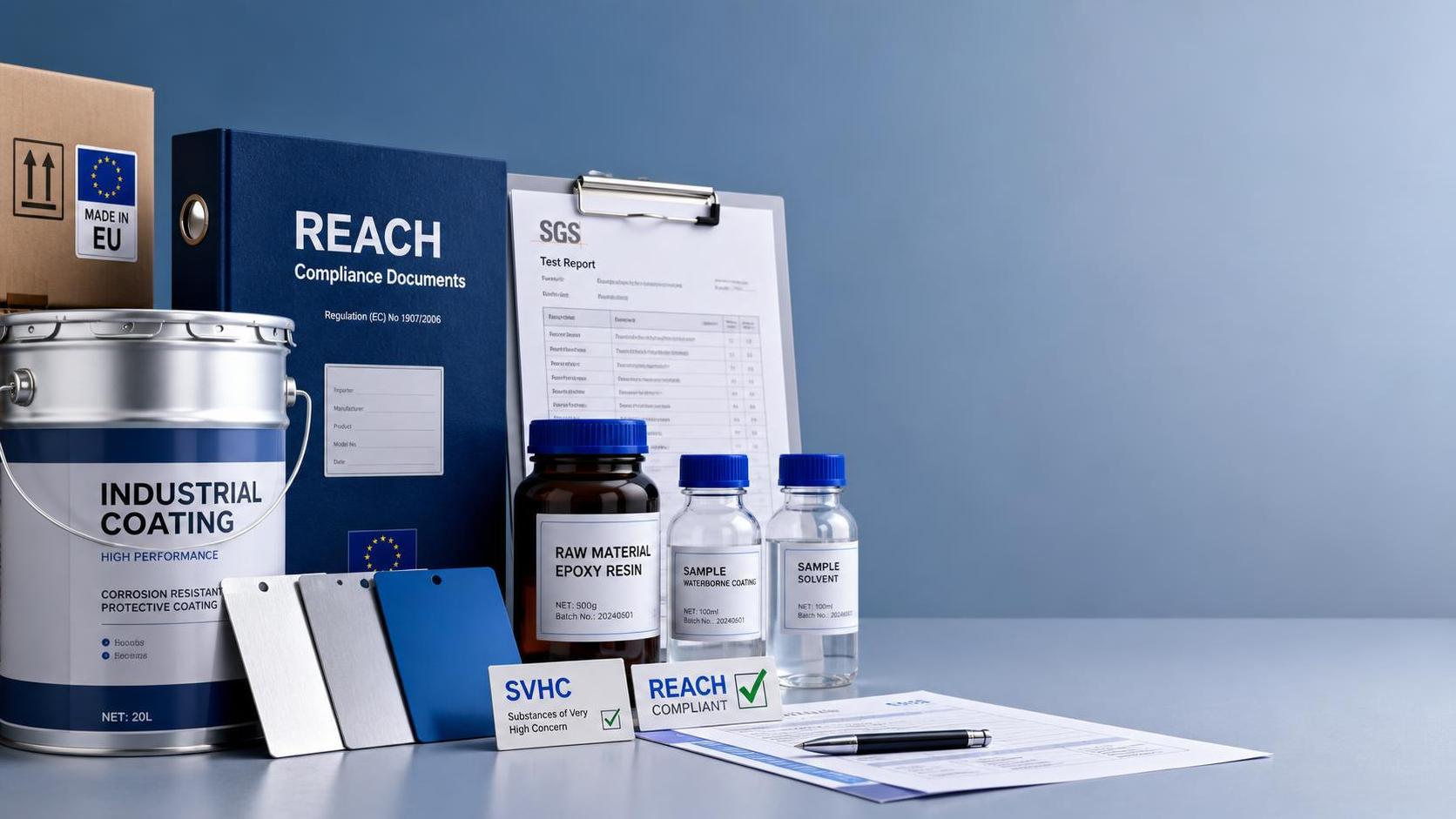
- EU REACH Adds 12 New SVHCs, Forcing Industrial Coating Export Declarations UpdateAug 16, 2026
- China Customs Launches AI Preclassification Channel for Paint ExportsAug 15, 2026
- Vietnam Rule: Industrial Coating Imports Need SVHC Declaration from China Starting Oct. 1Aug 15, 2026


Leave A Reply

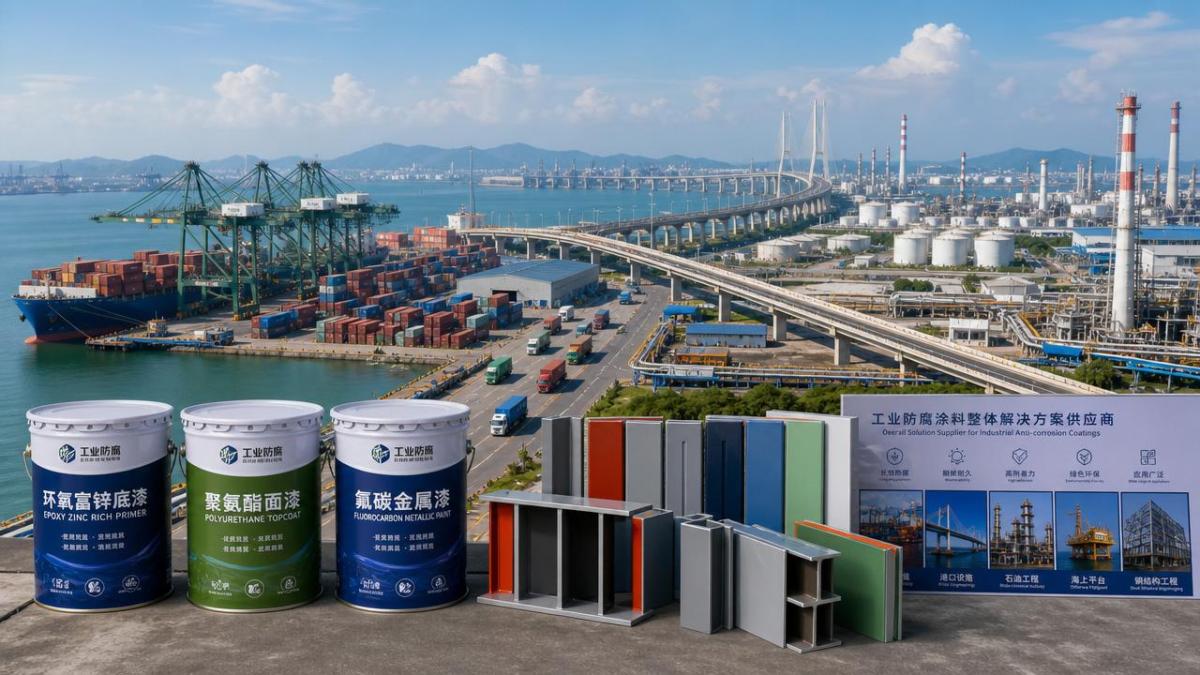
On June 1, 2026, Vietnam and Malaysia began applying a zero MFN tariff to three categories of industrial coatings originating in China: epoxy zinc-rich primers, polyurethane topcoats, and fluorocarbon metal paints. For the coatings trade, infrastructure supply chains, and EPC procurement teams serving energy, port, bridge, and oilfield service projects in ASEAN, this is a development worth watching because it directly changes the landed-cost position of selected heavy-duty anti-corrosion coatings.
What the latest RCEP move confirms
According to the latest decision of the RCEP Joint Committee, Vietnam and Malaysia have officially removed MFN tariffs on the three coating categories from June 1, 2026.
The products covered are epoxy zinc-rich primers, polyurethane topcoats, and fluorocarbon metal paints originating in China.
The tariff adjustment brings the rate down from 5–7.5% to 0%.
The information provided also indicates that this change improves the cost competitiveness of Chinese heavy-duty anti-corrosion coatings in ASEAN infrastructure and energy projects.
Where the impact is likely to be felt first
Trade flows for industrial coatings
From an industry perspective, direct trading companies may feel the effect first because tariff removal changes the import cost structure for the covered categories. The most immediate impact is likely to appear in quotation, order conversion, and market comparison between tariff-bearing and tariff-free supply options.
Project procurement in infrastructure and energy
Analysis shows that procurement teams tied to infrastructure and energy projects may reassess sourcing plans where these coating systems are relevant. The business impact is most visible in budget alignment, supplier comparison, and procurement timing for projects requiring heavy anti-corrosion performance.
Local sourcing strategies for EPC contractors
Observably, EPC contractors in oilfield services, ports, and bridge-related work have reason to pay close attention because the policy change supports localized procurement decisions in Vietnam and Malaysia. What deserves closer attention is how tariff savings translate into actual tendering and purchasing arrangements at project level.
Supply chain and delivery coordination
Supply chain service providers and related logistics coordinators may also be affected, not because the policy changes delivery operations by itself, but because sourcing shifts can alter shipment planning, customs documentation focus, and coordination between exporters, importers, and project buyers.
What companies should monitor now
Whether products clearly fall within the covered scope
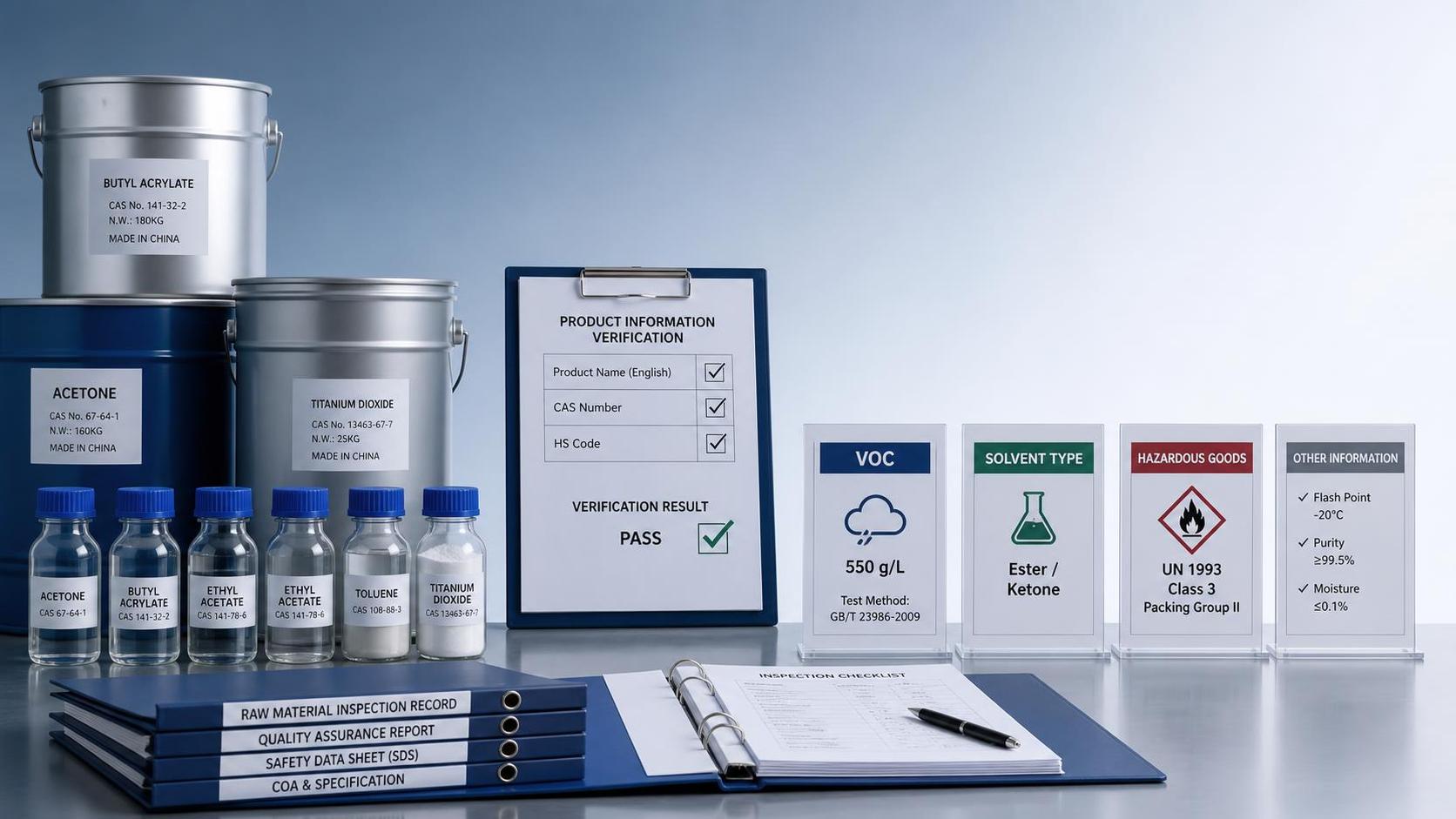
What deserves closer attention is product classification and origin compliance for the three named coating categories. The practical benefit depends not only on the policy statement itself, but also on whether a shipment can be clearly matched to the applicable product scope and supporting documents.
How policy language turns into procurement execution
Analysis shows that tariff removal and actual business uptake are not always the same thing. Companies should watch how buyers, contractors, and local procurement teams in Vietnam and Malaysia reflect the change in bidding, approved vendor discussions, and purchasing decisions.
Documentation and supplier communication
For exporters and procurement-facing teams, attention should stay on origin-related paperwork, product specifications, and communication with downstream customers. In practice, any tariff-related advantage only becomes commercially useful when documentation, product identity, and delivery expectations are aligned.
Timing in projects using heavy-duty anti-corrosion systems
From an industry perspective, firms involved in energy, port, bridge, and oilfield service supply should monitor whether the change affects purchasing windows or supplier selection cycles. The key issue is not simply lower tariffs, but whether covered coatings become more attractive at the point of project execution.
Why this matters beyond a single tariff cut
Observably, this update is more than a narrow customs adjustment for three coating types, but it should not be overstated as a complete market shift. It is more appropriate to understand this as a concrete cost-side signal for selected industrial coatings within specific ASEAN project contexts, especially where anti-corrosion performance and procurement economics are both important.
Analysis shows that the development has both an immediate and a watch-list dimension: immediate, because the tariff rate has already moved to zero for the covered products in Vietnam and Malaysia; and watch-list, because the full commercial effect still depends on execution in trade, project procurement, and supplier qualification processes.
How the market may best read this development
At this stage, the most balanced reading is that the tariff cut creates a clearer competitive opening for Chinese-origin heavy-duty anti-corrosion coatings in two ASEAN markets. It is not, by itself, proof of demand expansion or procurement conversion, but it does change the commercial basis on which suppliers and buyers may compare options in relevant infrastructure and energy projects.
For industry participants, this is best understood as a practical policy change with near-term procurement relevance and longer-term signaling value under the RCEP framework, while further business impact still needs continued observation.
Basis of this article and what still needs verification
This article is based on the user-provided news title, event date, and event summary concerning the RCEP tariff reduction affecting three categories of industrial coatings exported from China to Vietnam and Malaysia.
For this type of industry update, commonly relevant source categories may include official government notices, customs or trade policy releases, company disclosures, industry association updates, authoritative media reporting, and standard-setting or institutional documents.
No specific official source link was provided in the input, so the exact official document and any subsequent implementation guidance still require ongoing verification. Continued attention should focus on any clarifying language on product scope, origin treatment, and how the tariff change is reflected in actual procurement and import practice.