
Categories List
 China Customs Launches Smart Preclassification Channel for Coatings ExportsAug 16, 2026
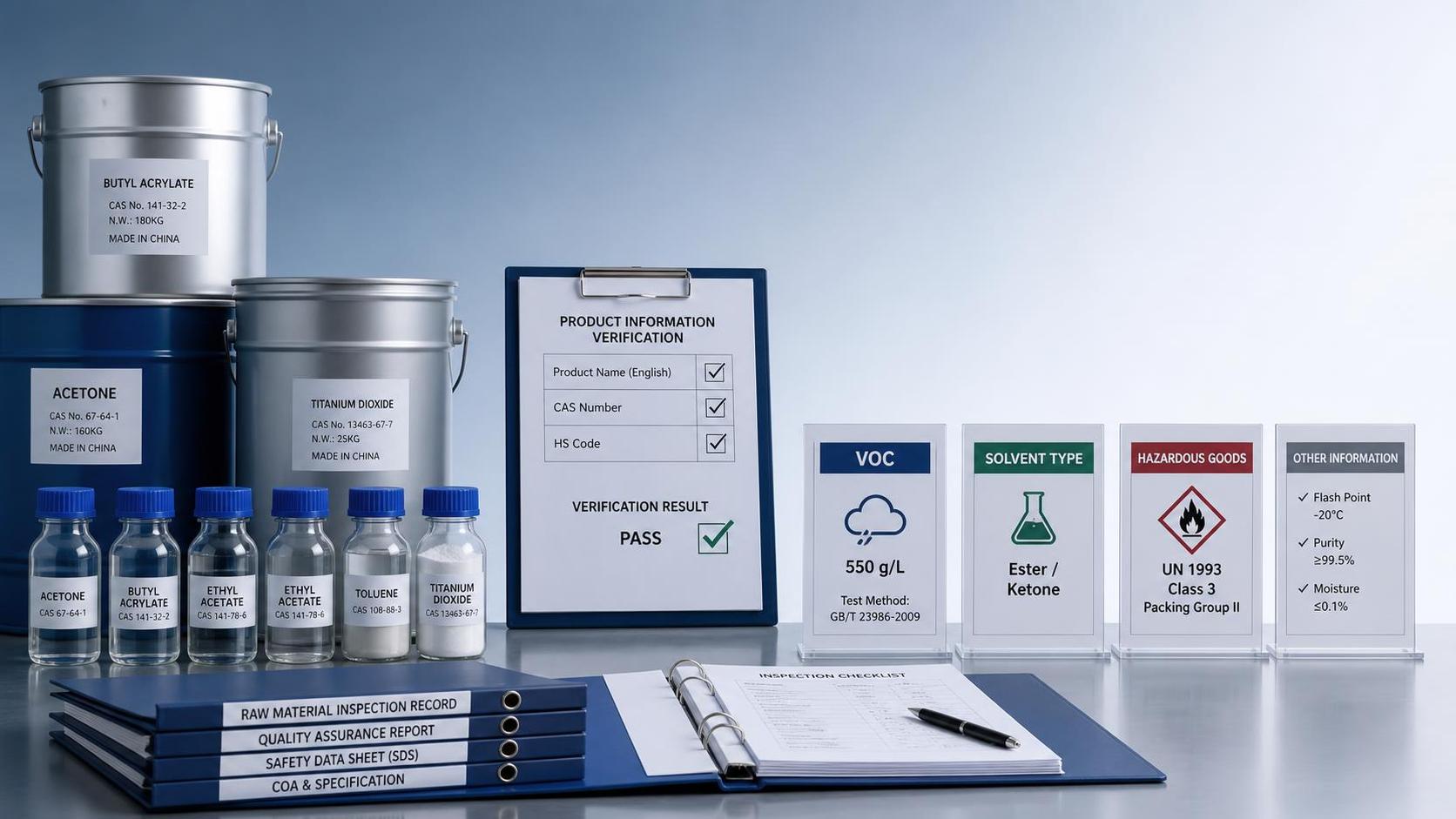
- China Customs Launches AI Preclassification Channel for Paint ExportsAug 15, 2026
- 越南要求进口工业涂料提交SVHC声明Aug 14, 2026
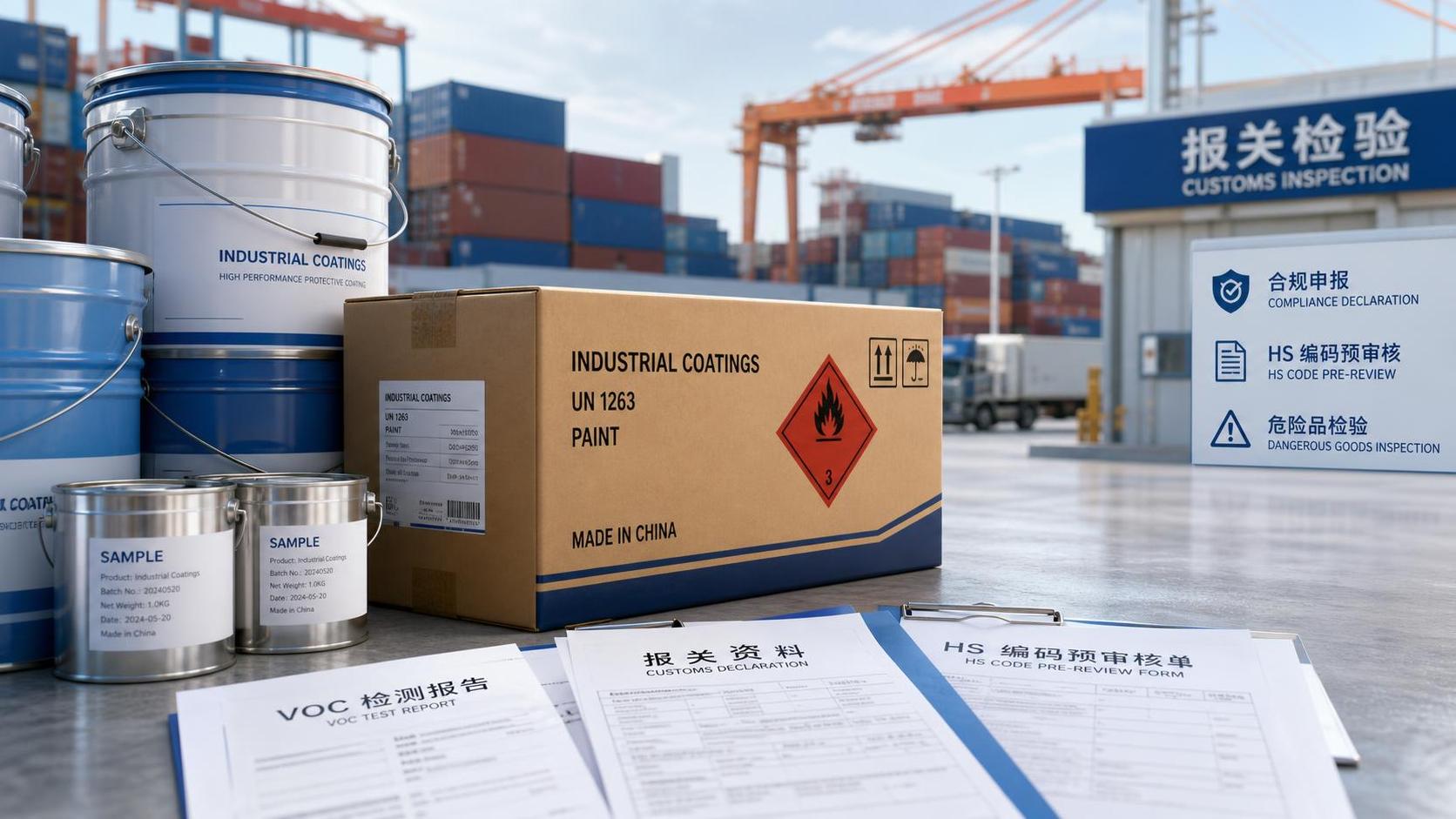
- China Customs Opens Smart Pre-Review for Coating ExportsAug 13, 2026
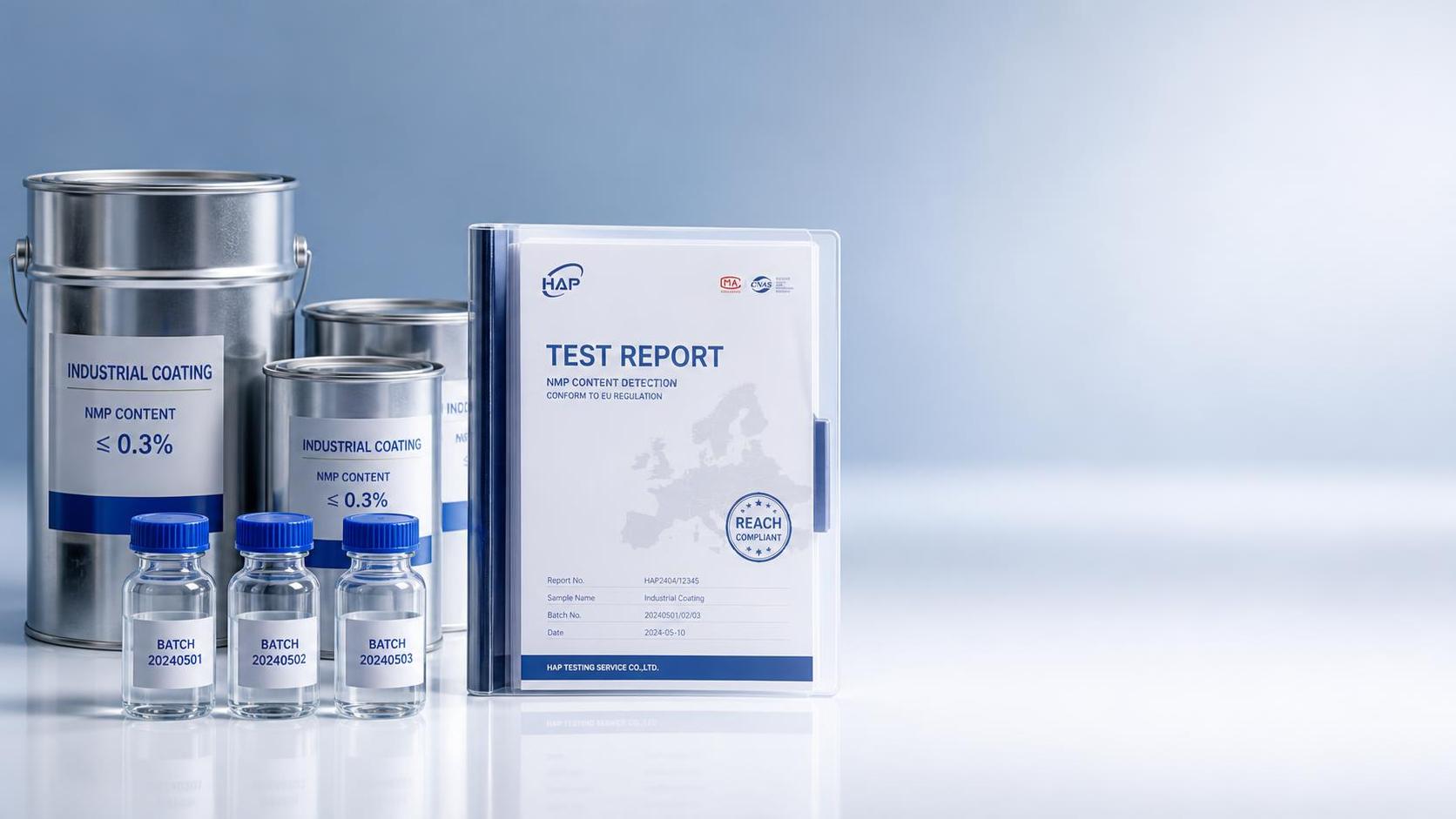
- EU REACH Limits NMP in CoatingsAug 13, 2026
- Shenzhen Fluorosilicone Expo Opens in October 2026Aug 12, 2026



Leave A Reply
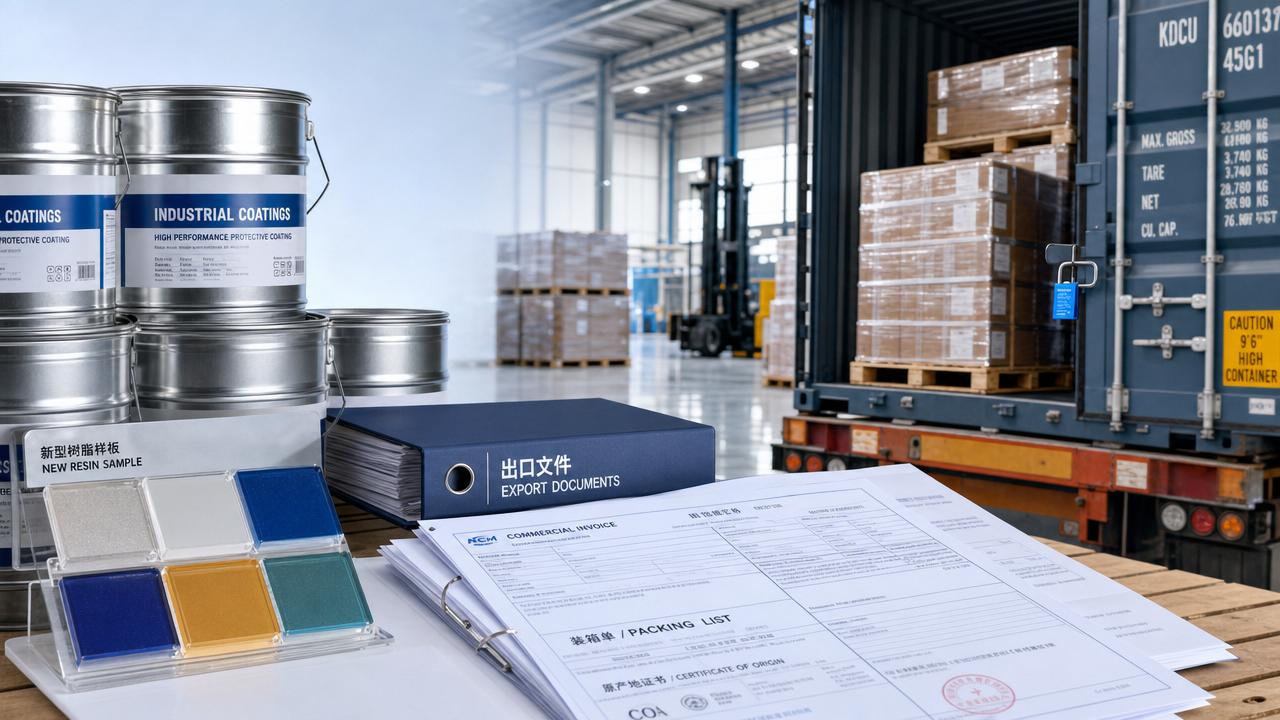
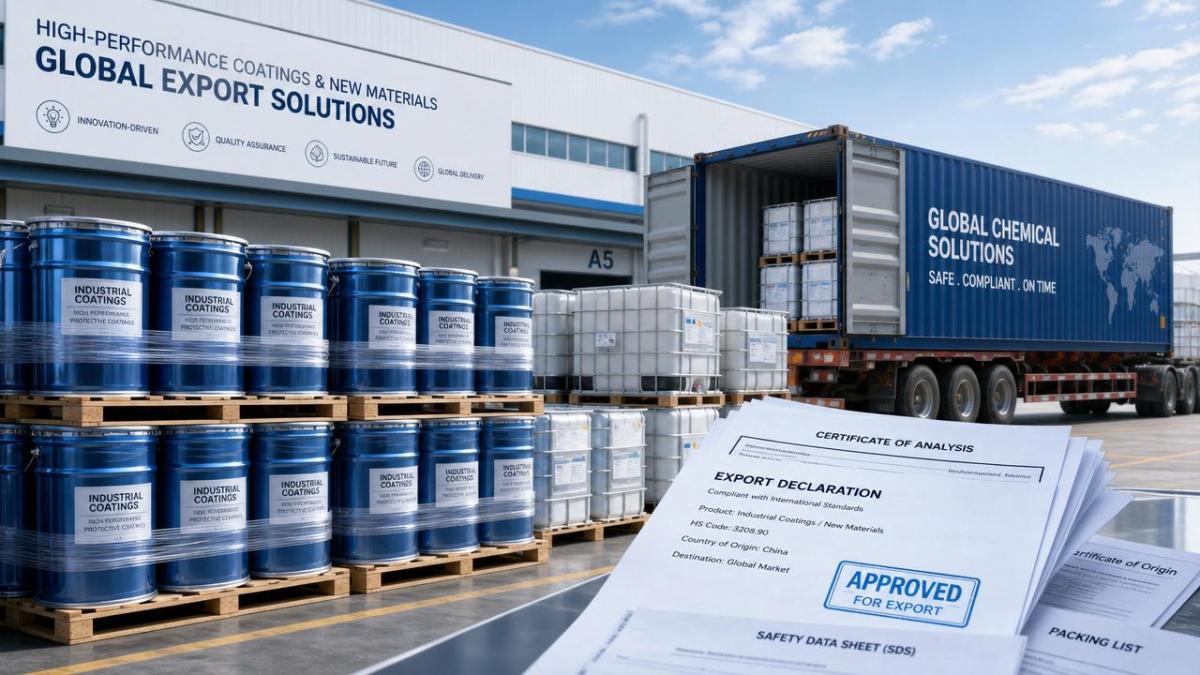
On June 11, 2026, during the 2026 ICIE International Coatings Industry Exhibition in Guangzhou, the Yingde city government held an investment promotion session at the Canton Fair Complex and announced targeted export support for coatings and new materials companies shipping through Yingde High-Tech Zone. For export-oriented manufacturers that already have ISO, ROHS, and REACH compliance foundations, the move is worth watching because it focuses on operational bottlenecks in customs review, origin documentation, and export inspection rather than on broad policy slogans.
What was formally announced in Guangzhou
According to the event information provided, the policy was released at a dedicated investment promotion meeting organized by the Yingde municipal government during the Guangzhou exhibition period. The announced support applies to coatings and new materials enterprises exporting through Yingde High-Tech Zone.
The practical support announced consists of three items: pre-review for Customs AEO certification, immediate processing and issuance of RCEP certificates of origin, and a fast-track mechanism tied to an export inspection “whitelist.” The stated target group is export manufacturers that already meet a baseline of ISO, ROHS, and REACH compliance.
Where the impact may be felt first
Export manufacturers with compliance already in place
From an industry perspective, these companies are the most directly affected because the announced measures are explicitly aimed at businesses that already have compliance groundwork. The potential impact is concentrated in export preparation, document handling, and inspection-related workflow. What deserves closer attention is whether companies can align their existing compliance files, product records, and shipment documentation with the new fast-track requirements in practice.
Trade teams managing cross-border delivery
For direct trading operations, the relevance lies in transaction timing and execution certainty. If pre-review, rapid origin certification, and inspection fast-tracking work smoothly, the main change would likely appear in documentation turnaround and shipment scheduling. Observably, teams handling customer commitments, delivery windows, and export paperwork should pay close attention to eligibility conditions rather than assume automatic access.
Supply chain and service partners around export execution
Customs brokers, documentation service providers, inspection coordination teams, and logistics-facing support functions may also be affected because the announced measures relate to process nodes they often help manage. The practical question for these participants is not only whether a manufacturer qualifies, but also how procedures, submission order, and supporting materials may need to be adjusted.
What companies should monitor now
Watch the difference between policy direction and operating rules
Analysis shows that the announcement sends a clear operational signal, but companies still need to distinguish between a policy statement and the detailed conditions for daily execution. Businesses should watch for any further official wording that clarifies scope, filing steps, and document standards tied to the three support channels.
Recheck compliance files before using the channel
Because the policy is aimed at manufacturers with ISO, ROHS, and REACH foundations, firms should review whether their compliance materials are current, internally consistent, and readily usable in export scenarios. In practice, incomplete or outdated records could limit the value of a fast-track arrangement even when the company appears broadly qualified.
Review product and shipment planning through Yingde High-Tech Zone
What deserves closer attention is the route condition built into the announcement: the support is for companies exporting through Yingde High-Tech Zone. Manufacturers, traders, and supply chain teams should therefore examine whether current product categories, shipping arrangements, and internal approval flows can match that route without creating new coordination friction.
Prepare customer communication around lead times carefully
Observably, some companies may be tempted to present the measure as a guaranteed acceleration in delivery. A more prudent approach is to communicate that the policy may improve processing efficiency, while actual shipment timing will still depend on qualification, documentation completeness, and implementation details that may become clearer over time.
Why this reads as a practical export signal
This section is analysis rather than confirmed fact. Analysis shows that the announcement is notable because it does not center on broad industrial positioning alone; instead, it points to three specific export process tools. That makes the news relevant not only for investment promotion audiences, but also for operational teams responsible for customs readiness, origin paperwork, and inspection coordination.
It is more appropriate to understand this as a targeted and practical signal rather than as proof of a fully established outcome. The direction is clear: local attraction efforts are being linked with export facilitation for qualified manufacturers. But the extent of business impact will still depend on how consistently the measures are implemented and how narrowly qualification is applied.
How the market may best read this update
At this stage, the announcement is best read as a near-term operational development with possible longer-term signaling value. In the short term, it matters most to coatings and new materials exporters that already have compliance foundations and are evaluating export routing and documentation efficiency. In the longer term, it may indicate that local industrial promotion is becoming more closely tied to export execution support, but that interpretation still requires further observation.
A neutral takeaway is that the news is relevant, but not self-executing. Companies should neither dismiss it as a routine exhibition-side announcement nor treat it as an automatic reduction in export friction. The most reasonable reading is that this is a focused policy signal that now needs verification through implementation details and business use cases.
About the basis of this article
This article is generated from the user-provided news title, event date, and event summary. The confirmed facts in the article are limited to the supplied information about the June 11, 2026 announcement made during the 2026 ICIE exhibition period in Guangzhou.
For this type of industry update, source categories typically worth checking include official government notices, company disclosures, industry association releases, authoritative media reports, and relevant standards or trade documentation materials. A specific official source link was not provided in the input, so further verification remains necessary. Continued attention should focus on any later official clarification regarding eligibility, implementation procedures, and the actual operating scope of the three announced support measures.