
Categories List
 China Customs Launches Smart Preclassification Channel for Coatings ExportsAug 16, 2026
- China Customs Launches AI Preclassification Channel for Paint ExportsAug 15, 2026
- 越南要求进口工业涂料提交SVHC声明Aug 14, 2026
- China Customs Opens Smart Pre-Review for Coating ExportsAug 13, 2026
- EU REACH Limits NMP in CoatingsAug 13, 2026
- Shenzhen Fluorosilicone Expo Opens in October 2026Aug 12, 2026


Leave A Reply

China’s mandatory coating standards GB 30981.1-2025 and GB 30981.2-2025 took effect on June 1, 2026, tightening limits on VOCs and heavy metals such as lead and cadmium for building and industrial coatings while newly bringing putty, colorants, and thinners into scope. For exporters, importers, formulators, and procurement teams, the immediate issue is not only domestic compliance in China but also whether products can clear export inspection and support equivalence checks against requirements such as EU REACH and US CARB.

What the new standards now cover
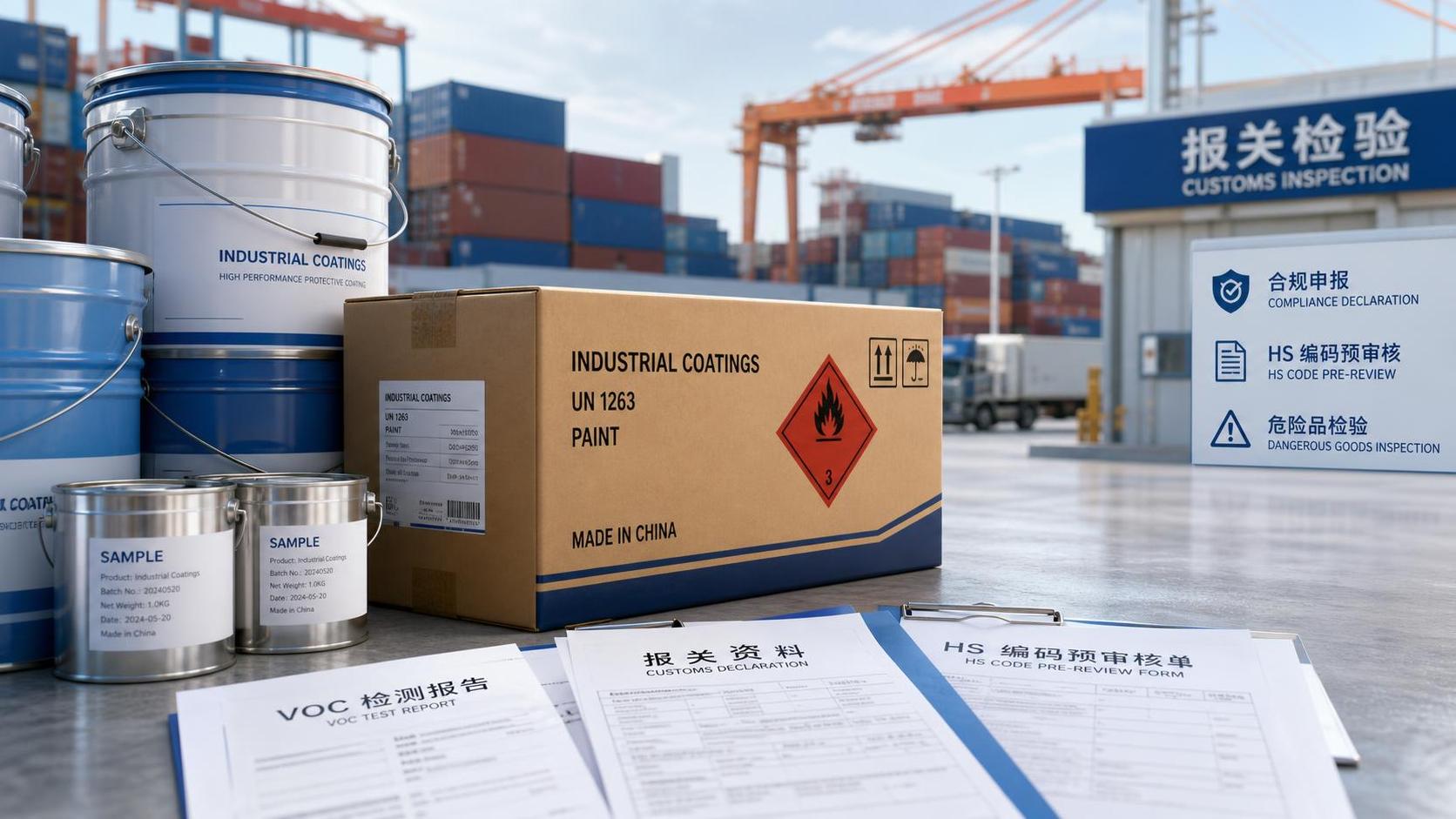
Based on the information provided, the two mandatory Chinese coating standards, GB 30981.1-2025 and GB 30981.2-2025, officially came into force on June 1, 2026. The standards newly include putty, colorants, and thinners within regulatory control, and they significantly tighten limit values for VOCs and heavy metals including lead and cadmium in building and industrial coatings. The stated compliance consequence is direct: products that do not meet the requirements will not pass China Customs export inspection, and they may also face difficulty meeting equivalent recognition expectations linked to international regulatory frameworks such as EU REACH and US CARB.
Where pressure is likely to appear across the supply chain
Export shipments face a direct compliance gate
From an industry perspective, exporters of building coatings are likely to feel the most immediate effect because the standards are described as directly affecting export compliance. The main pressure point is shipment readiness: whether a product can pass export inspection and whether supporting compliance documents are aligned with the updated limits.
Formulation and manufacturing teams must revisit product scope
Manufacturers and technical teams may be affected not only by tighter VOC and heavy metal limits but also by the expansion of regulated product categories. What deserves closer attention is that putty, colorants, and thinners are now within scope, which means compliance review may need to cover products or auxiliary materials that were previously treated differently in practice.
Overseas buyers and importers need stronger document checks
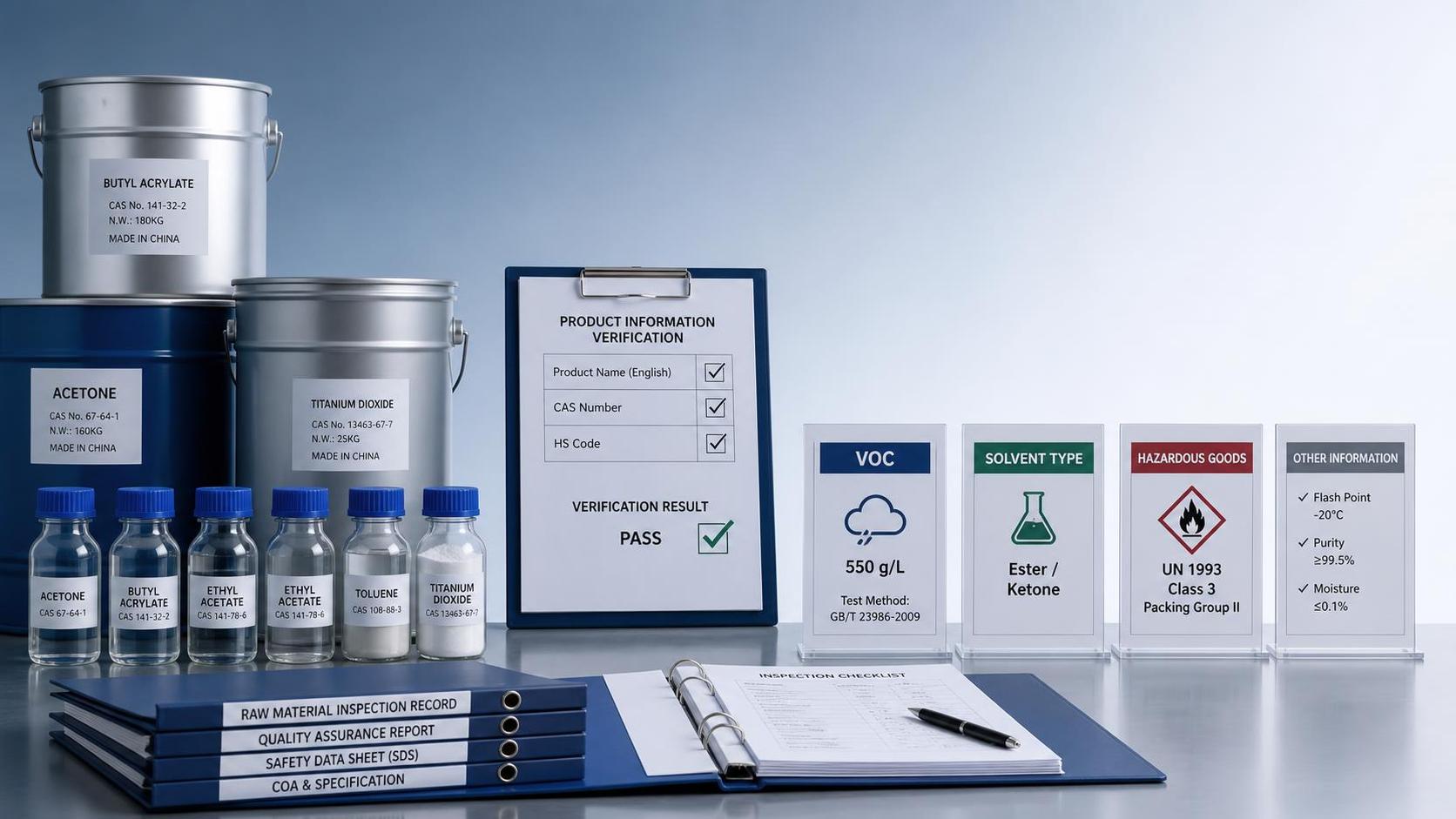
For overseas importers and procurement functions, the issue is supplier verification. The information provided specifically indicates that importers should immediately review supplier test reports and formulation compliance. In business terms, that can affect sourcing decisions, order confirmation, and acceptance of technical files tied to cross-border transactions.
Supply chain and commercial teams may need to manage timing risks
Analysis shows that logistics coordination, customs preparation, and customer communication could become more sensitive where products are close to shipment but compliance files are incomplete or outdated. The operational impact is likely to center on documentation consistency, product classification, and handoff between supplier, exporter, and buyer.
What companies should check now
Verify testing reports against the new effective date
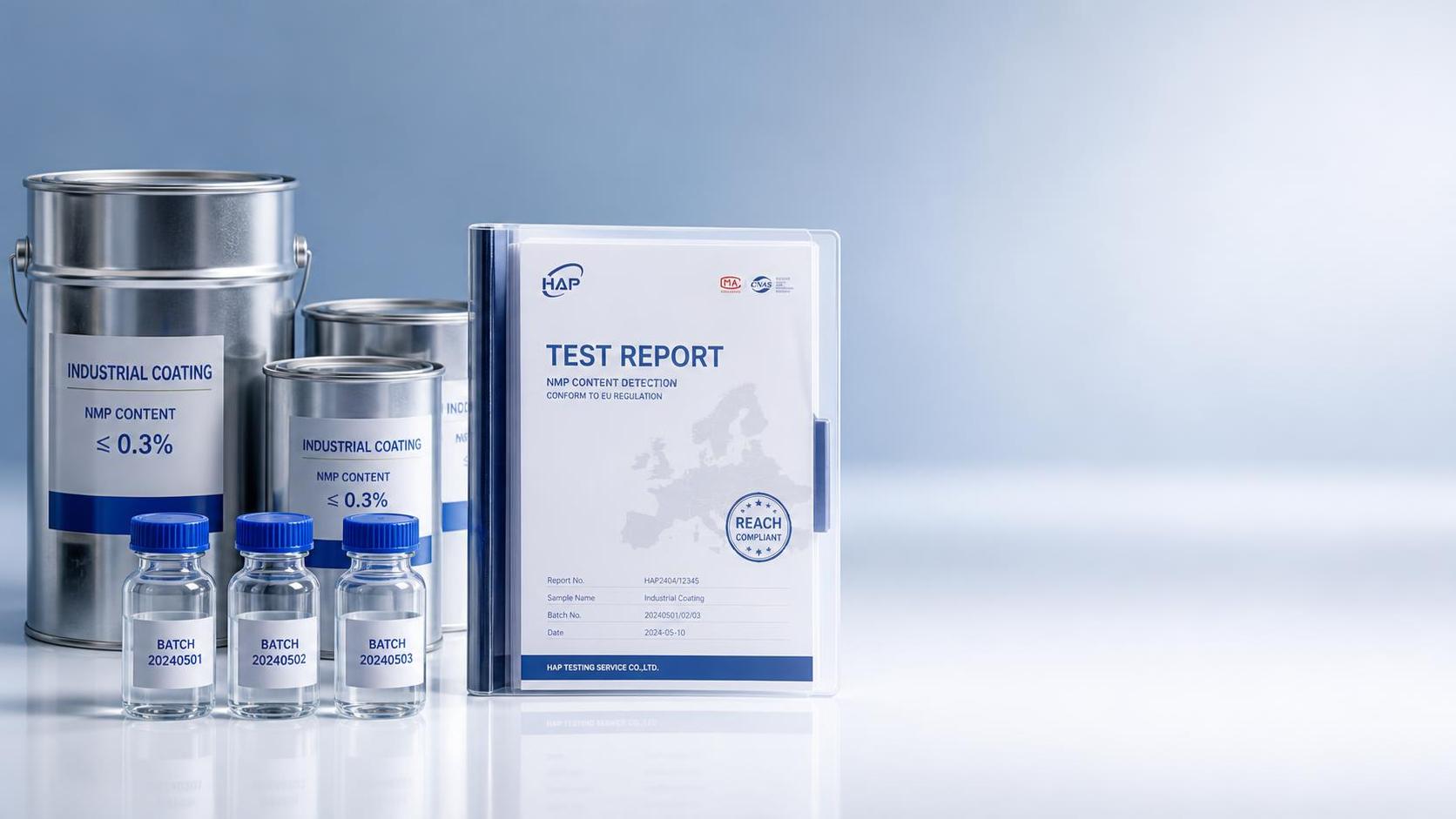
Companies involved in export business should first confirm whether existing test reports remain usable under the standards that took effect on June 1, 2026. The practical question is whether the documentation reflects the newly tightened VOC and heavy metal limits and covers any products now brought into scope.
Review whether auxiliary products are now compliance-critical
Because putty, colorants, and thinners are explicitly mentioned as newly regulated, businesses should not limit their review to finished coating products alone. Observably, auxiliary materials may now become a decisive factor in whether an order package is fully compliant.
Align supplier declarations with formulation reality
What deserves closer attention is the consistency between supplier declarations, formulation information, and laboratory evidence. For importers and procurement teams, the immediate task is to confirm that supplier submissions are not only complete on paper but also matched to the products actually being traded.
Prepare for customer and customs-facing communication
For sales, compliance, and operations teams, the distinction between a policy requirement and business execution matters. Even where a company understands the new rules internally, shipment documents, customer responses, and product compliance statements may need to be updated so that export inspection and buyer review can proceed without avoidable disputes.
Why this matters beyond a single rule change
Analysis shows that this development is more than a routine standards update for the coating trade. It already creates a concrete compliance result because the standards are in force and are linked to export inspection. At the same time, it is more appropriate to understand it as a longer-term regulatory signal as well: tighter control over VOCs and heavy metals, plus broader product coverage, suggests that compliance expectations are becoming more integrated across formulation, documentation, and cross-border market access.
Observably, the part that still requires continued attention is not whether the standards exist, but how companies translate them into day-to-day trade execution. The business impact will likely depend on how quickly supply chain participants can validate reports, confirm formulation compliance, and synchronize requirements between Chinese export controls and overseas market expectations.
How to read the current signal
At this stage, the most balanced reading is that the implementation of GB 30981.1-2025 and GB 30981.2-2025 is both an immediate compliance event and a continuing industry signal. The immediate issue is clear: non-compliant products risk failing export inspection. The broader industry meaning is that coating exporters, importers, and related suppliers need to treat VOC and heavy metal control, as well as supporting technical documentation, as a core trade requirement rather than a secondary after-check.
Basis of this article and what still needs verification
This article is based on the user-provided news title, event date, and event summary regarding the June 1, 2026 implementation of GB 30981.1-2025 and GB 30981.2-2025. For this type of development, relevant source categories would usually include official notices, company disclosures, industry association updates, authoritative media coverage, and standard-setting documents. No specific official source link was provided in the input, so any further operational interpretation should continue to be verified against formal published materials. Follow-up attention should remain on official wording, applicable compliance documentation, and how affected companies reflect the new requirements in supplier review and export execution.