
Categories List
 IndexBox: Environmental Rules Drive Coatings Shift and Mica Sheet DemandNov 06, 2026
- China Extends Countervailing Duties on US-Origin n-Propanol for Five YearsNov 06, 2026
- 2026 Global Coatings Industry Segment Champions Ranking ReleasedNov 05, 2026
- China’s Powder Coatings Output Exceeds 3 Million Tonnes in 2025Oct 28, 2026
- October Coatings Feedstock Watch: Emulsions Lead Price Hikes, Acrylic Acid Rises Across GradesOct 27, 2026
- Huaqin Technology Reports White Camouflage Coating PatentOct 26, 2026






Leave A Reply

The 2026 Coatings Industry Information Annual Meeting and the concurrent Anti-Corrosion Coatings Branch Working Meeting opened in Qingdao on October 19, 2026. For coatings manufacturers, suppliers and project buyers, the compliance relevance lies in whether technical exchanges and industry coordination lead to proposals affecting specifications, qualification documents or procurement practices. The supplied information identifies no new regulation, standard or certification requirement, so any such implications remain matters for analysis and subsequent verification.
Qingdao Meetings Focus on Information Development and Technical Exchange
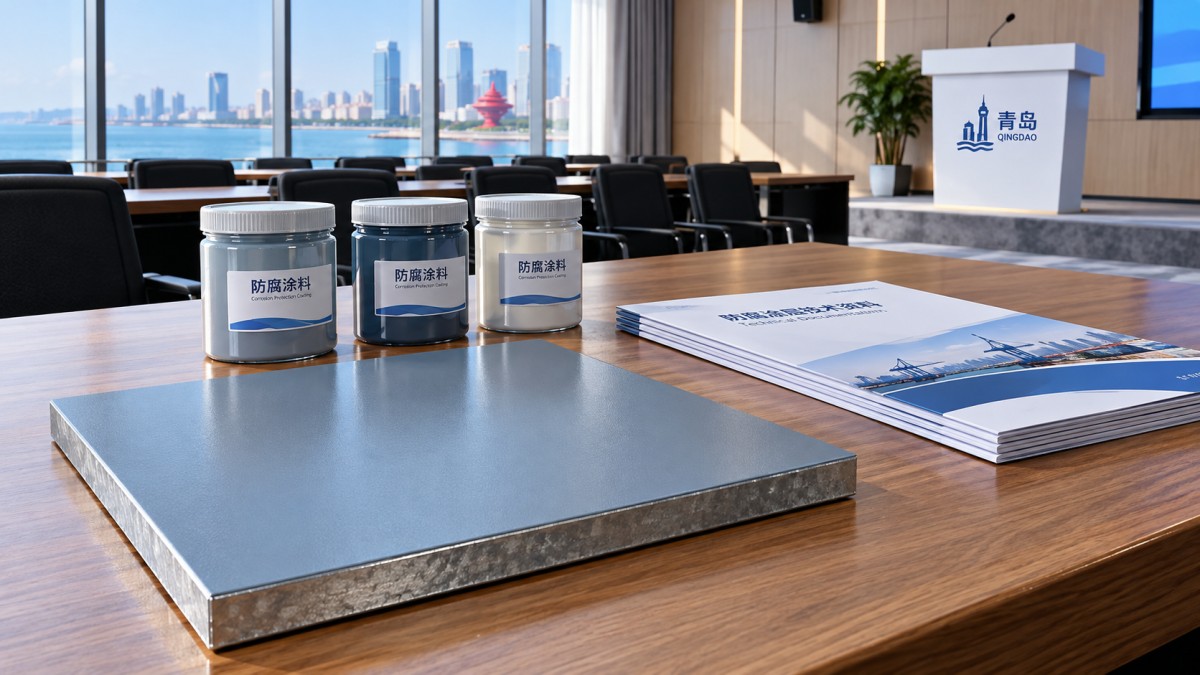
Organized by the China National Coatings Industry Association, the 2026 Coatings Industry Information Annual Meeting and the concurrent Anti-Corrosion Coatings Branch Working Meeting began with registration and proceedings in Qingdao, Shandong Province, on October 19, 2026. The meetings focus on information development across the coatings industry, alongside technical exchanges and industrial collaboration in the anti-corrosion coatings segment. The meeting period runs through October 21.
Where Further Discussions Could Affect Specifications and Purchasing
Manufacturers: Assessing Any Link Between Technical Discussion and Product Requirements
From an industry perspective, anti-corrosion coatings manufacturers could be affected if subsequent meeting materials propose changes to product evaluation, technical documentation or coordination with customers. Such proposals could warrant a review of product specifications and supporting test evidence. However, the supplied summary does not establish that any proposal was made or adopted. Manufacturers would therefore need to verify both the content and status of any later recommendation before treating it as a compliance requirement.
Material Suppliers: Watching for Changes in Customer Documentation Requests
Analysis suggests that raw material suppliers could encounter new documentation requests if coatings producers translate technical discussions into revised purchasing specifications. The relevant business interfaces would be material selection, supplier qualification and the evidence used to support product suitability. This is a possible downstream effect, rather than a confirmed outcome of the meetings; the supplied information identifies no new material restriction or supplier approval condition.
Project Buyers and Contractors: Checking the Basis for Acceptance Criteria
For project buyers and engineering contractors, a potential issue would be whether later industry recommendations appear in tender specifications or delivery acceptance documents. If that occurs, buyers and suppliers could need to clarify the requested evidence and its contractual basis. At present, the meeting announcement alone provides no basis for concluding that procurement conditions, certification obligations or acceptance procedures have changed.
Practical Checks Before Revising Procurement or Delivery Documents
As a practical response, analysis supports monitoring for concrete outputs from the meetings and assessing their relevance to individual products and contracts. The following checks are suggestions for verification, rather than obligations established by the event.
Establish What Any Subsequent Document Actually Requires
If meeting reports, technical recommendations or other documents become available, businesses could first check their issuer, scope and stated status. A discussion point or association recommendation should be assessed according to its actual authority and applicability. Any claim that the meetings introduced a mandatory requirement would need separate documentary support.
Compare Proposed Changes With Existing Technical Evidence
If later materials identify a specific technical expectation, manufacturers and suppliers could compare it with their product specifications, test reports and customer submissions. This would help establish whether existing evidence addresses the proposed expectation or whether further clarification or testing might be useful. The supplied information does not confirm a new test method, certification scheme or documentation format.
Confirm Contractual Relevance Before Changing Schedules
Where a customer refers to the meetings when requesting revised qualification or acceptance documents, businesses could ask for the applicable specification and its effective date. Analysis suggests that confirming the requirement before adjusting purchasing or delivery plans could help avoid uncertainty over responsibilities and lead times. No revised delivery deadline or procurement timetable is identified in the supplied summary.
An Industry Coordination Event, With Rule Implications Still Unconfirmed
Editorial assessment: the available information supports understanding these meetings as a forum for information exchange and coordination within the coatings industry. It does not establish a regulatory change, a newly implemented standard or a formal enforcement signal. The distinction matters because technical discussion may inform later decisions without itself creating obligations for manufacturers, buyers or suppliers.
What deserves closer attention is whether subsequent outputs identify specific technical proposals, their intended users and any process for adoption. If such information emerges, its significance would depend on how it is reflected in applicable requirements, customer specifications or contracts. The supplied summary provides no evidence of changes to trade rules, export conditions or certification procedures.
Keep Business Decisions Tied to Verified Requirements
On the available evidence, the meetings provide a reason to monitor developments in coatings information exchange and anti-corrosion industry collaboration. Their practical significance for compliance, procurement and delivery remains to be established. A proportionate approach would be to review verified follow-up materials and assess any specific proposals against existing product and contractual requirements before making operational changes.
Basis of This Article and Follow-Up Verification
This article is based exclusively on the news title, event date and event summary supplied by the user. No specific official source link was included in the input, and subsequent developments require continued verification. Relevant sources to consult could include official association announcements, meeting reports and any formally issued technical or standards documents.
Further observation should focus on whether specific recommendations are published, whether any certification or qualification expectations are clarified, and whether procurement documents or industry feedback show practical adoption. These are subjects for future verification; the supplied information does not confirm that such changes have occurred.